Stock Analysis · Douglas Dynamics Inc (PLOW)
Overview
Douglas Dynamics Inc. (PLOW) designs and manufactures equipment that helps trucks perform specialized work. The company is best known for snow and ice control attachments (such as plows and spreaders) and also sells work truck solutions used in industries like landscaping, construction, and municipal services. Its products are typically sold through a dealer network and are installed on light trucks or work trucks that end customers already own.
From a business-cycle point of view, Douglas Dynamics is exposed to weather (especially winter snowfall) and to broader work-truck demand. That means results can vary meaningfully from year to year, even when the long-term need for truck attachments remains steady.
In its annual filings, Douglas Dynamics typically describes revenue by business segments rather than by individual product lines. The two primary segments generally discussed are:
- Work Truck Attachments (snow & ice control and related truck attachment products)
- Work Truck Solutions (upfitting and truck equipment solutions, including branded platforms acquired over time)
Percentages can shift by year and are best confirmed in the most recent annual report segment note.
Across the 2021–2025 period shown, total revenue rises overall (from about $541M in 2021 to about $656M in 2025), while operating income fluctuates more meaningfully. This pattern is common for manufacturers facing variable input costs, shifting volumes, and weather-related demand.
Key Figures
| Metric | Value | Industry ⓘ |
|---|---|---|
| Date | Mar 02, 2026 | |
| Context | ||
| Sector | Consumer Cyclical | |
| Industry | Auto Parts | |
| Market Cap ⓘ | $1.06B | |
| Beta ⓘ | 1.26 | |
| Fundamental | ||
| P/E Ratio ⓘ | 23.43 | 24.70 |
| Profit Margin ⓘ | 7.15% | 3.56% |
| Revenue Growth ⓘ | 28.60% | 4.90% |
| Debt to Equity ⓘ | 76.35% | 76.35% |
| PEG ⓘ | 1.53 | |
| Free Cash Flow ⓘ | $63.26M | |
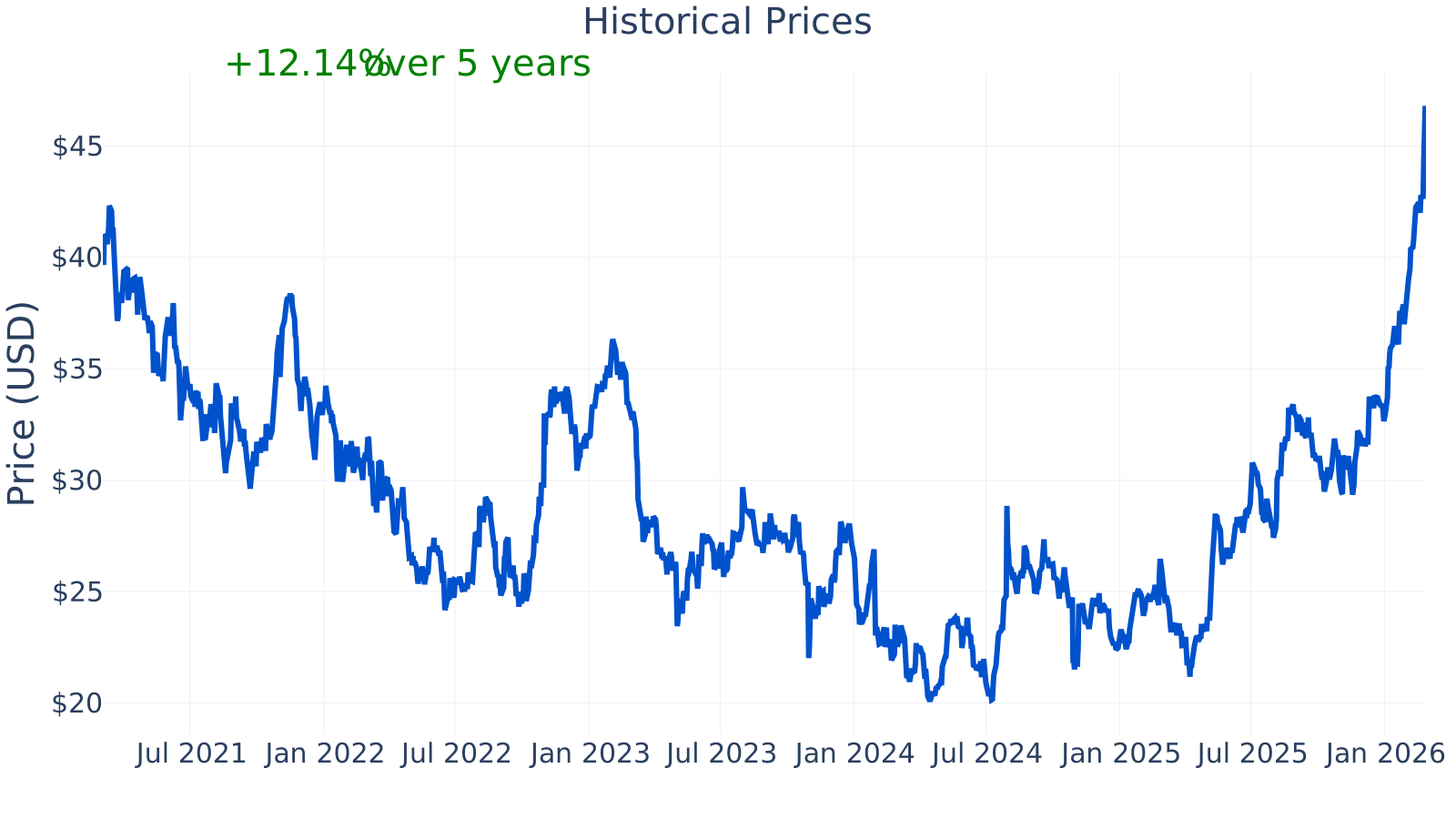
Douglas Dynamics’ market capitalization is about $1.06B, placing it in the small-cap range. The beta of about 1.26 suggests the stock has historically moved more than the overall market. The latest P/E ratio is about 23.4, close to the Auto Parts industry median shown (~24.7). Profit margin is about 7.15%, which is higher than the industry median (~3.57%), while year-over-year revenue growth is shown at ~28.6% versus an industry median of ~4.9% (a notably stronger recent growth rate). Debt-to-equity is ~76%, in line with the industry median in the table. Trailing twelve-month free cash flow is about $63.3M.
Growth (Medium)
Douglas Dynamics operates in a practical, replacement-oriented part of the vehicle ecosystem: work trucks and the attachments that make them useful for specific jobs. Demand is supported by ongoing needs from municipalities, contractors, and commercial fleets. However, it is not a “straight-line” growth area. Snow and ice control demand can be heavily influenced by winter severity and timing, while other work-truck categories can be influenced by construction activity, fleet replacement cycles, and general economic conditions.
A key question for long-term growth is whether the company can broaden beyond highly seasonal categories and build more stable, year-round demand. In filings and investor materials, the company has discussed portfolio expansion over time (including acquisitions in work-truck solutions) as one way to diversify end markets and reduce dependence on snowfall-driven seasons.
The year-over-year revenue growth shown is volatile, swinging between declines and strong increases. The most recent values displayed (late 2025) show a return to strong positive growth (about 25%–29%), after weaker periods earlier in the timeline. This reinforces that the business can rebound, but it also highlights that growth is not consistent from quarter to quarter.
Free cash flow over the trailing twelve months has also fluctuated meaningfully. It was negative around 2022–2023 in the series shown, then improved to roughly $38.7M (2024) and about $52.8M (2025), with the latest metric table showing about $63.3M. For long-term business durability, the ability to generate cash across cycles matters because it supports reinvestment, debt servicing, and shareholder distributions.
Risks (Medium-High)
This article is for informational purposes only and does not constitute financial advice. Some content is AI-generated. See Disclaimer