Stock Analysis · Newegg Commerce Inc (NEGG)
Overview
Newegg Commerce Inc is an online retailer focused on technology-related products. It sells items such as computer components, consumer electronics, gaming products, and related accessories through its e-commerce platforms. The business model is built around online merchandising, promotions, and fulfillment (getting products from suppliers to customers efficiently), with a brand historically associated with PC-building and electronics enthusiasts.
In general terms, Newegg generates revenue primarily from selling products online. Public filings typically describe revenue as coming from net sales to customers (after returns and discounts). More detailed split percentages (for example, exact shares by product category, geography, or customer type) may vary by reporting period and are not always presented as a simple percentage breakdown in a single headline table.
- Online product sales (core revenue stream): Technology hardware and electronics sold directly to consumers and other customers.
- Marketplace and related services (when applicable): Third-party sellers can list products on Newegg’s platform, which can generate fees and service revenue.
One notable context point from recent financial statements is that Newegg’s total revenue has been lower in recent years than earlier periods, while costs and operating expenses have remained significant—an important theme for long-term business durability.
From 2021 to 2024, total revenue decreased (about $2.38B in 2021 to about $1.24B in 2024). Over the same period, the company moved from positive net income in 2021 (about $36.3M) to net losses in 2022–2024. Selling, general, and administrative expenses declined over time, but not enough to fully offset lower gross profit.
Key Figures
| Metric | Value | Industry ⓘ |
|---|---|---|
| Date | Feb 08, 2026 | |
| Context | ||
| Sector | Consumer Cyclical | |
| Industry | Internet Retail | |
| Market Cap ⓘ | $1.64B | |
| Beta ⓘ | 4.30 | |
| Fundamental | ||
| P/E Ratio ⓘ | N/A | 34.01 |
| Profit Margin ⓘ | -1.72% | 6.32% |
| Revenue Growth ⓘ | 12.50% | 11.35% |
| Debt to Equity ⓘ | 66.13% | 34.80% |
| PEG ⓘ | N/A | |
| Free Cash Flow ⓘ | -$53.42M | |
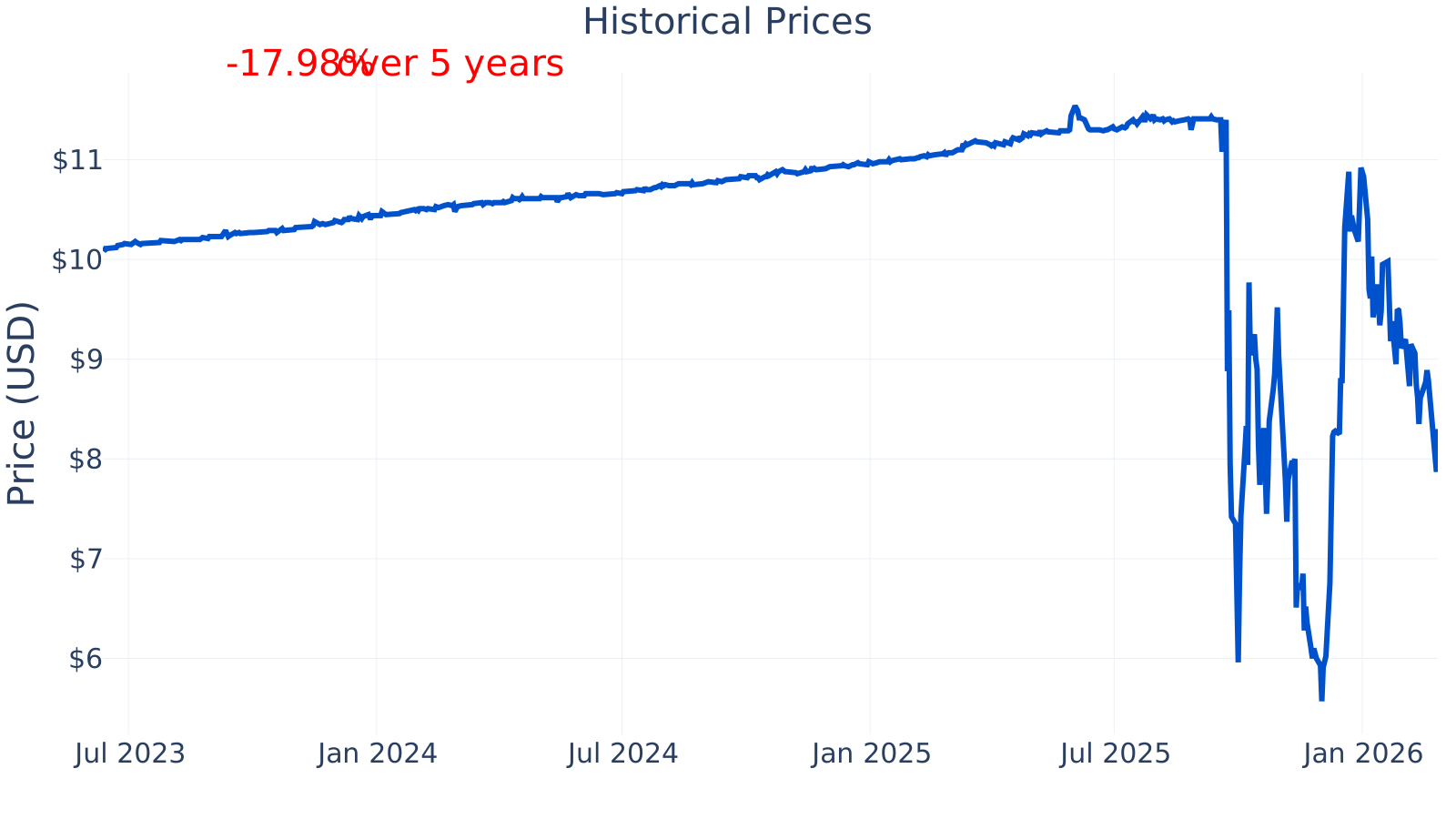
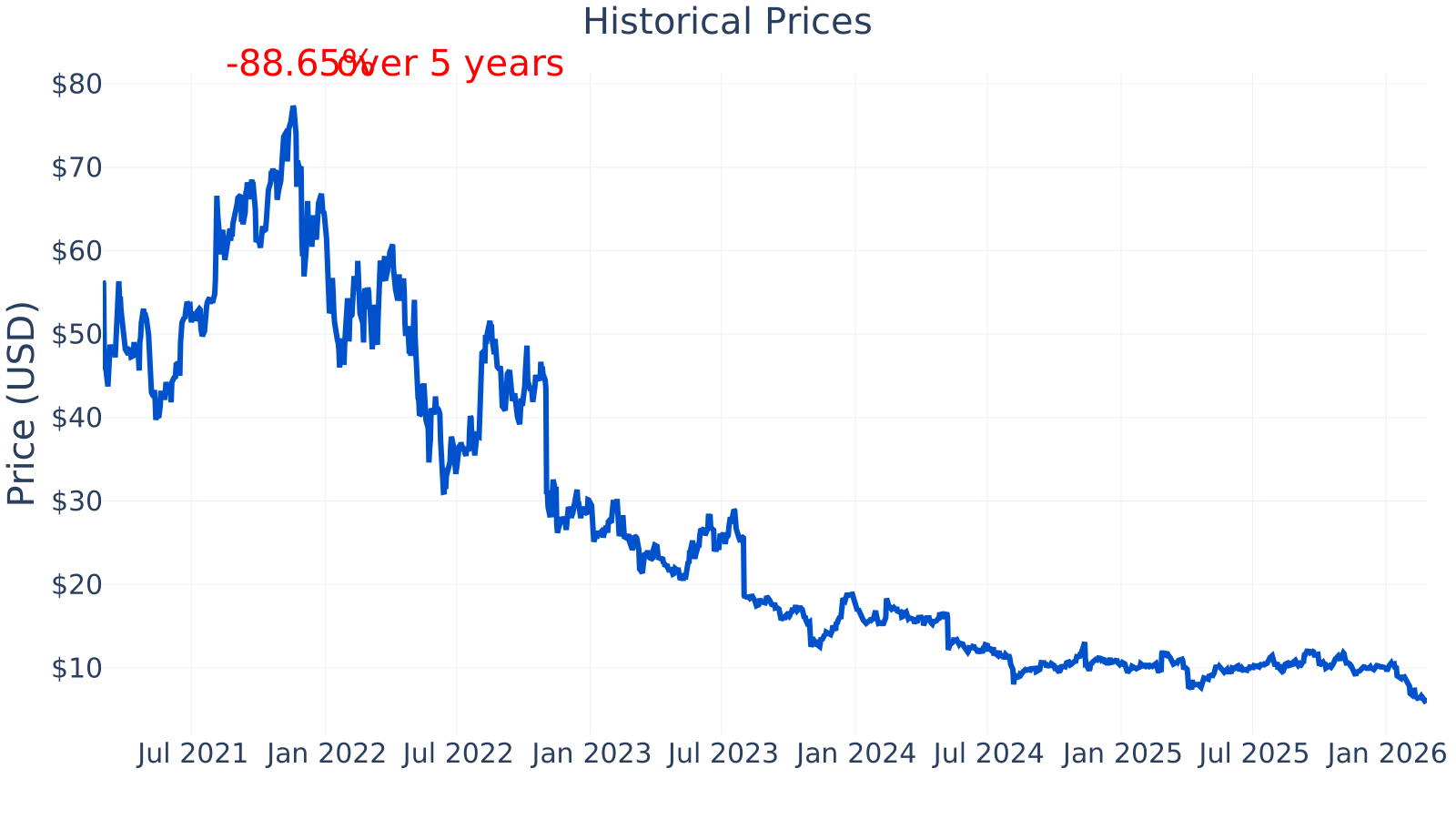
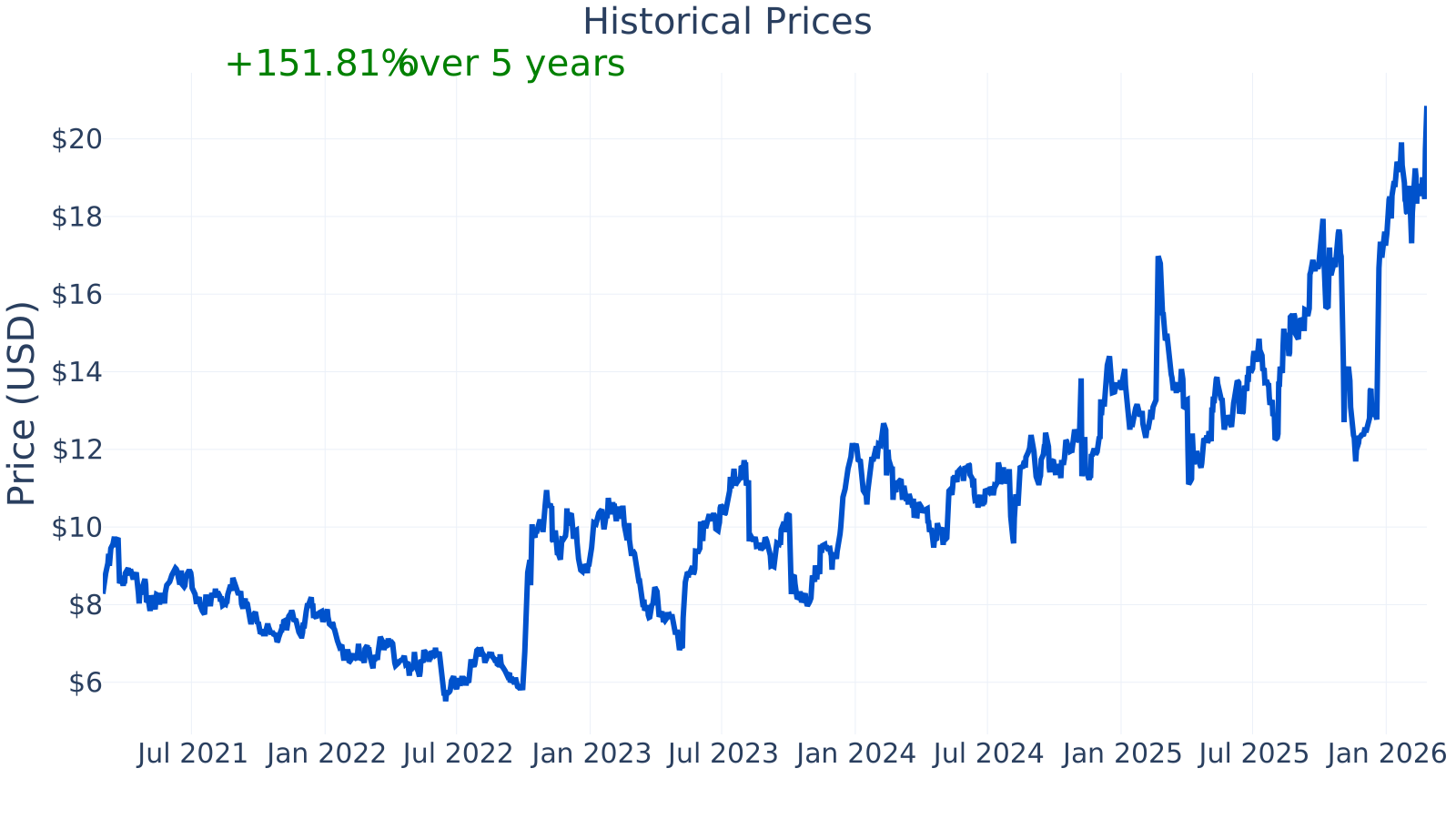
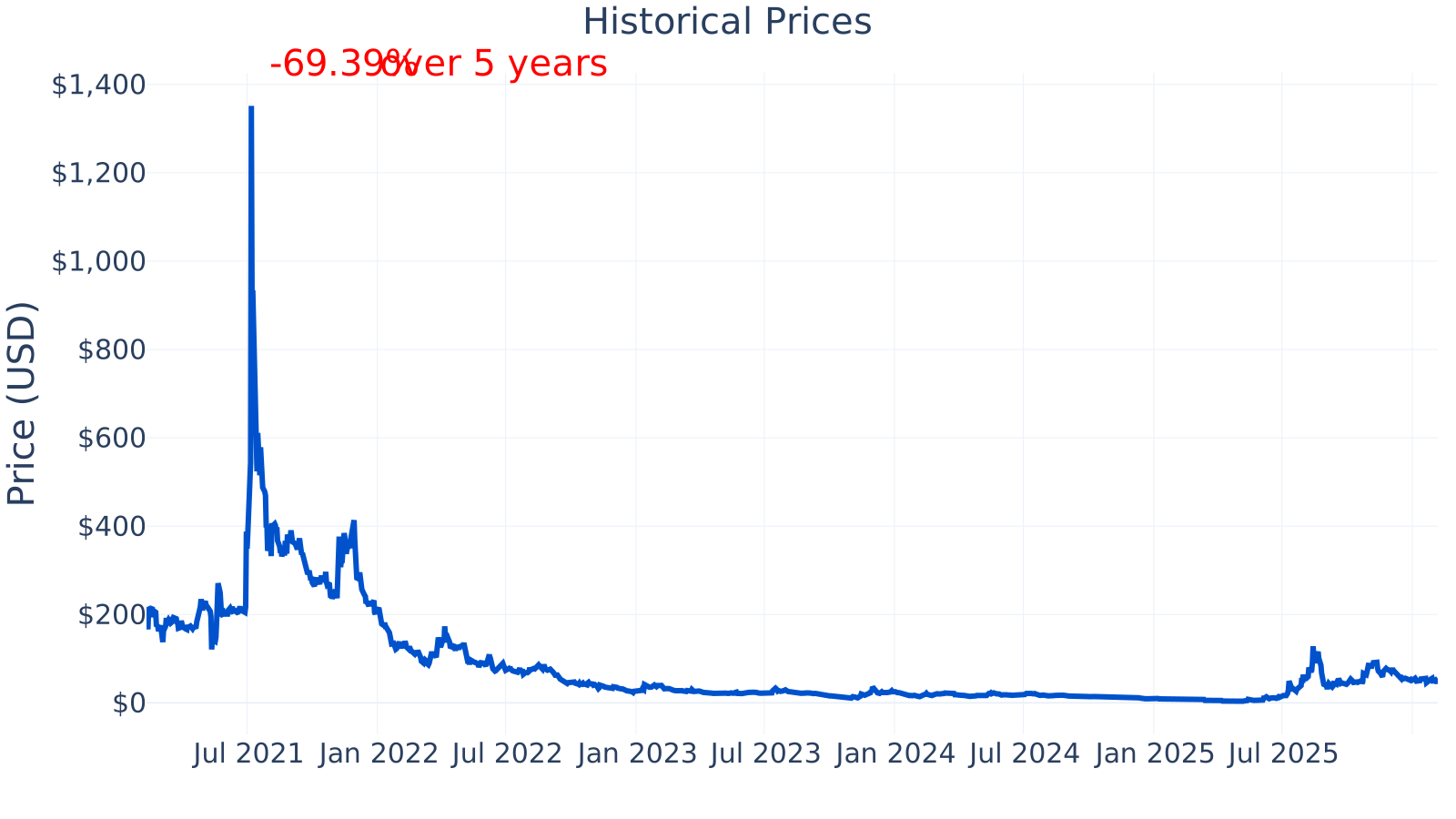
Newegg’s market capitalization is about $1.64B. The stock’s beta of about 4.30 indicates the share price has historically been much more volatile than the broader market. Profitability remains a key weak point: the latest profit margin shown is about -1.72%, compared with an industry median around 6.32%. On growth, the latest year-over-year revenue growth shown is about 12.5%, slightly above an industry median near 11.35%. Leverage is also higher than the industry median, with debt-to-equity around 66% versus an industry median around 35%. Free cash flow over the trailing twelve months is negative (about -$53.4M), which matters because sustained negative cash generation can require external funding or further cost reductions.
Growth (Medium)
Newegg operates in online retail, which is a well-established channel for consumers buying electronics and PC hardware. Demand can be supported by long-term trends such as ongoing PC/gaming upgrades, new product cycles (CPUs/GPUs), and broader e-commerce adoption. However, this is also a mature and highly competitive space where growth is often influenced by pricing, product cycles, and consumer discretionary spending.
The revenue growth pattern shown suggests a difficult stretch through much of 2022–2024 (mostly negative year-over-year comparisons), followed by a return to positive year-over-year growth around 2025 (about 12.5%). For long-term fundamentals, a key question is whether this improvement is a durable turnaround (better demand, improved assortment/pricing, more effective marketing), or a temporary bounce from easier comparisons after prior declines.
Free cash flow is shown as mostly negative after 2021, including approximately - $60.0M as of 2025-03-31 (trailing twelve months). For an e-commerce retailer, consistent positive free cash flow often helps fund operations, technology investment, and working capital needs without relying heavily on borrowing or new capital. A sustained shift toward breakeven or positive free cash flow would typically be an important operational catalyst, but the chart indicates that has not yet happened over the period shown.
Risks (High)
This article is for informational purposes only and does not constitute financial advice. Some content is AI-generated. See Disclaimer