Stock Analysis · Capri Holdings Ltd (CPRI)
Overview
Capri Holdings Ltd is a global fashion company focused on luxury and premium accessories and apparel. It operates a portfolio of well-known brands (Versace, Jimmy Choo, and Michael Kors) and sells products through a mix of directly operated retail stores, wholesale partners (such as department stores and specialty retailers), and online channels. The company’s financial results are therefore shaped by consumer demand for discretionary items like handbags, footwear, and ready-to-wear, as well as brand positioning, pricing power, and the health of key regions and distribution partners.
In its reporting, Capri typically organizes revenue by brand. The largest contributor has historically been the Michael Kors business, followed by Versace and then Jimmy Choo (exact percentages vary by fiscal year and can be found in the company’s annual report segment disclosures).
Common revenue streams include:
- Retail (company-operated stores)
- Wholesale (sales to third-party retailers/distributors)
- E-commerce (direct-to-consumer online sales)
- Licensing (select categories licensed to partners, depending on brand and period)
The company’s recent income statement mix shows how sensitive overall results can be to operating costs. In the last few fiscal years shown below, total revenue declined from about $5.65B (FY2021–FY2022) to about $4.44B (FY2024–FY2025). Over the same span, selling, general and administrative expenses remained a large portion of revenue, which contributed to a sharp drop in operating income and a swing to net losses in FY2024–FY2025.
Key Figures
| Metric | Value | Industry ⓘ |
|---|---|---|
| Date | Feb 16, 2026 | |
| Context | ||
| Sector | Consumer Cyclical | |
| Industry | Luxury Goods | |
| Market Cap ⓘ | $2.43B | |
| Beta ⓘ | 1.43 | |
| Fundamental | ||
| P/E Ratio ⓘ | N/A | |
| Profit Margin ⓘ | -11.65% | -4.19% |
| Revenue Growth ⓘ | -4.00% | 3.80% |
| Debt to Equity ⓘ | 2041.90% | 66.96% |
| PEG ⓘ | 0.83 | |
| Free Cash Flow ⓘ | $491.00M | |
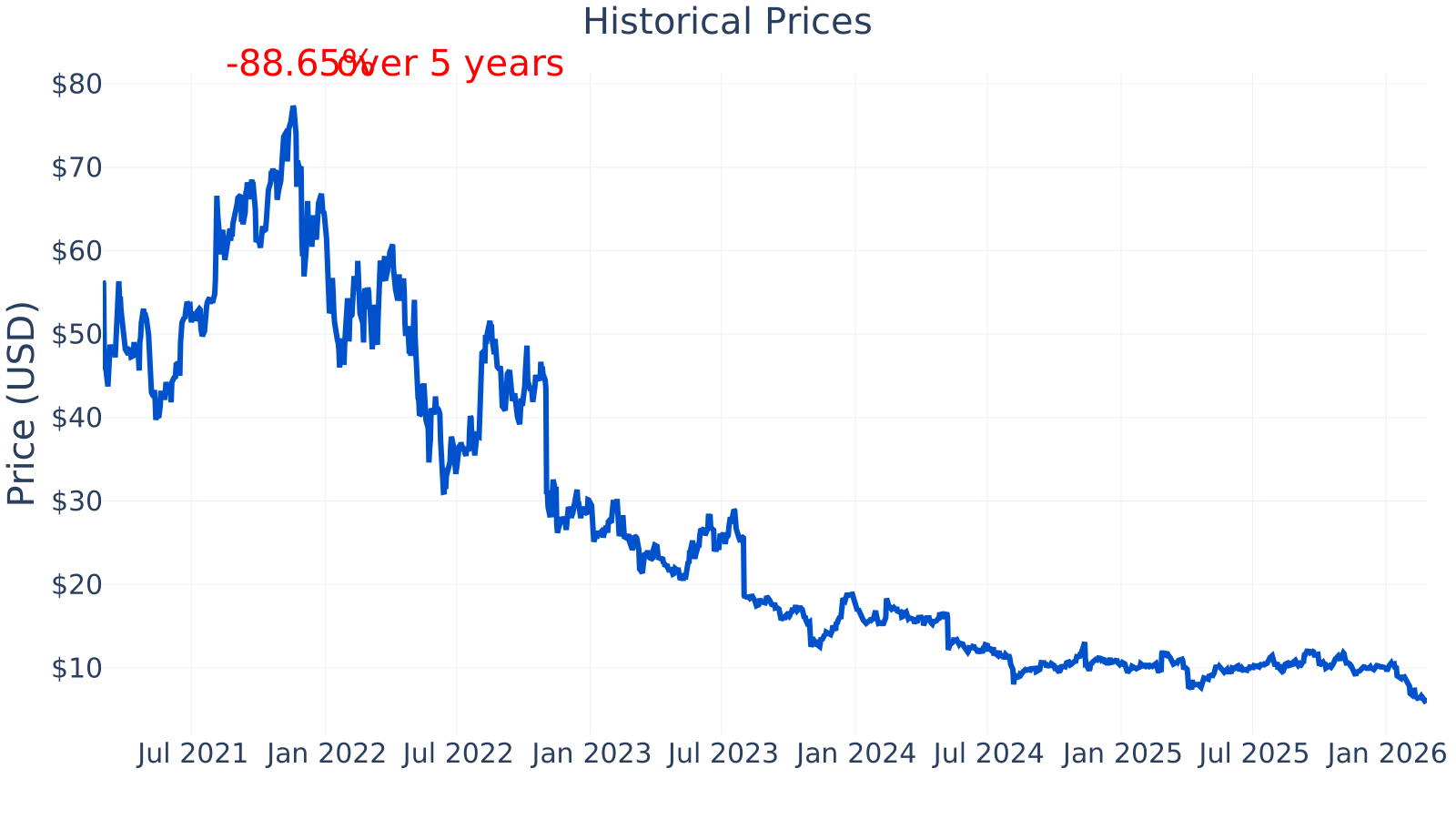
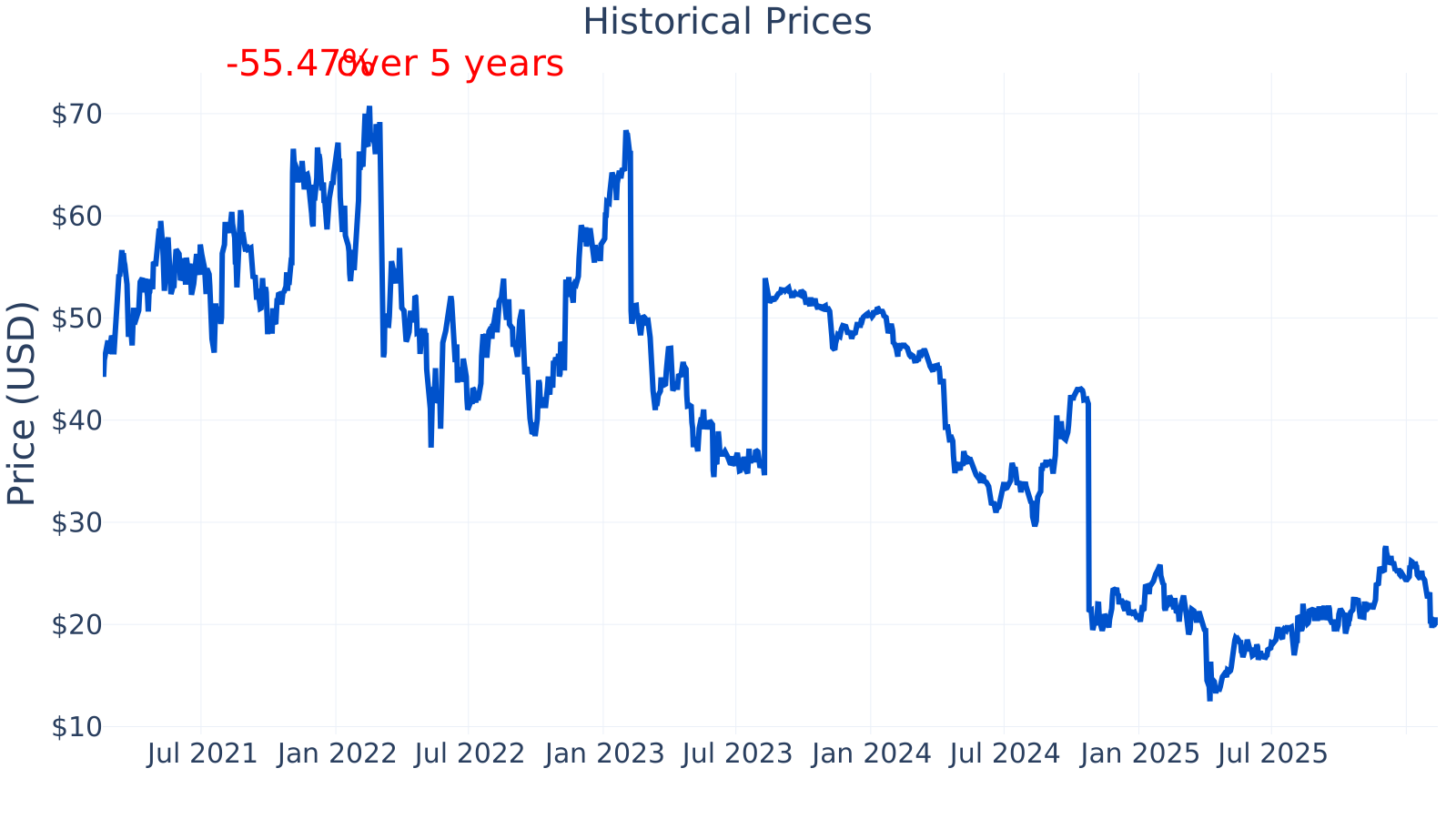
Capri’s market capitalization is about $2.43B, and the stock’s beta of ~1.43 indicates it has tended to move more than the broader market. Recent profitability is negative: the latest profit margin shown is about -11.65%, which is below the luxury goods industry median in the table (about -4.19%).
Growth has been weak in the most recent year-over-year view: the latest revenue growth shown is about -4% versus an industry median of about +3.8%. A notable positive is that trailing twelve-month free cash flow is about $491M, meaning the company has recently generated cash after operating costs and capital spending, even while accounting earnings were negative.
The most striking balance-sheet signal in the table is debt-to-equity of ~2042% (versus an industry median of ~67%). This ratio can rise sharply when equity becomes small due to losses, charges, or other accounting effects, so it is best interpreted together with the company’s filings (for details on debt, lease obligations, covenants, and equity changes).
Growth (medium)
The broader luxury goods market is driven by brand strength, global tourism trends, product innovation, and long-term demand for premium accessories and fashion. That said, luxury demand can fluctuate meaningfully with consumer confidence, currency movements, and regional spending cycles. For a multi-brand group like Capri, sustainable growth typically depends on maintaining brand relevance while managing distribution carefully (for example, balancing full-price selling in directly operated channels versus broader wholesale exposure).
Recent revenue growth has been inconsistent, with several quarters showing declines. The pattern below reflects a shift from strong post-pandemic rebounds (very high year-over-year growth in parts of 2021) to a more challenging period with multiple negative comparisons, plus a few temporary rebounds.
A potential stabilizer has been cash generation. Free cash flow over the periods shown remained positive overall, although it dropped sharply around FY2024 before improving again.
In terms of catalysts, company-driven items that can matter over a multi-year horizon typically include brand repositioning, product pipeline success, expansion (or rationalization) of store fleets, improvements in wholesale quality, and execution in digital/direct-to-consumer. Any specific forward-looking targets and strategic priorities should be taken from the company’s latest annual report and investor presentations, as these can change with leadership decisions and market conditions.
Risks (high)
This article is for informational purposes only and does not constitute financial advice. Some content is AI-generated. See Disclaimer