Stock Analysis · Wolverine World Wide Inc (WWW)
Overview
Wolverine World Wide, Inc. (WWW) is a footwear company that designs, sources, markets, and sells shoes, boots, and related accessories. Its business model is built around a portfolio of brands, with sales occurring through a mix of wholesale channels (selling to retailers) and direct-to-consumer channels (brand websites and, where applicable, company-operated retail).
Revenue is primarily generated by selling branded footwear. In its SEC filings, the company reports results by operating segments that group key brands and distribution activities. Because the exact mix can change over time (and can be reorganized by management), the most reliable breakdown for “main sources of revenue” is the company’s segment reporting in its annual report (Form 10‑K), which typically includes:
- Active Group (key performance/work/outdoor-related footwear brands and product lines)
- Work Group (work footwear)
- Lifestyle Group (casual/lifestyle footwear)
- Other (smaller activities and/or corporate and licensing-related items, depending on reporting)
For a long-term reader, the practical takeaway is that Wolverine is a multi-brand footwear company with exposure to both discretionary (lifestyle) spending and more resilient categories like work footwear, while also being influenced by retailer ordering patterns and inventory cycles.
The recent multi-year picture shows that revenue has declined from earlier levels, while management actions reduced operating expenses materially by 2024. Profitability also improved versus prior loss-making periods, helped by lower operating expenses and improved operating income, though interest expense remains a meaningful cost.
Key Figures
| Metric | Value | Industry ⓘ |
|---|---|---|
| Date | Feb 08, 2026 | |
| Context | ||
| Sector | Consumer Cyclical | |
| Industry | Footwear & Accessories | |
| Market Cap ⓘ | $1.52B | |
| Beta ⓘ | 1.90 | |
| Fundamental | ||
| P/E Ratio ⓘ | 17.37 | 29.80 |
| Profit Margin ⓘ | 4.85% | 5.43% |
| Revenue Growth ⓘ | 6.80% | 6.90% |
| Debt to Equity ⓘ | 218.24% | 63.50% |
| PEG ⓘ | 1.72 | |
| Free Cash Flow ⓘ | $54.30M | |
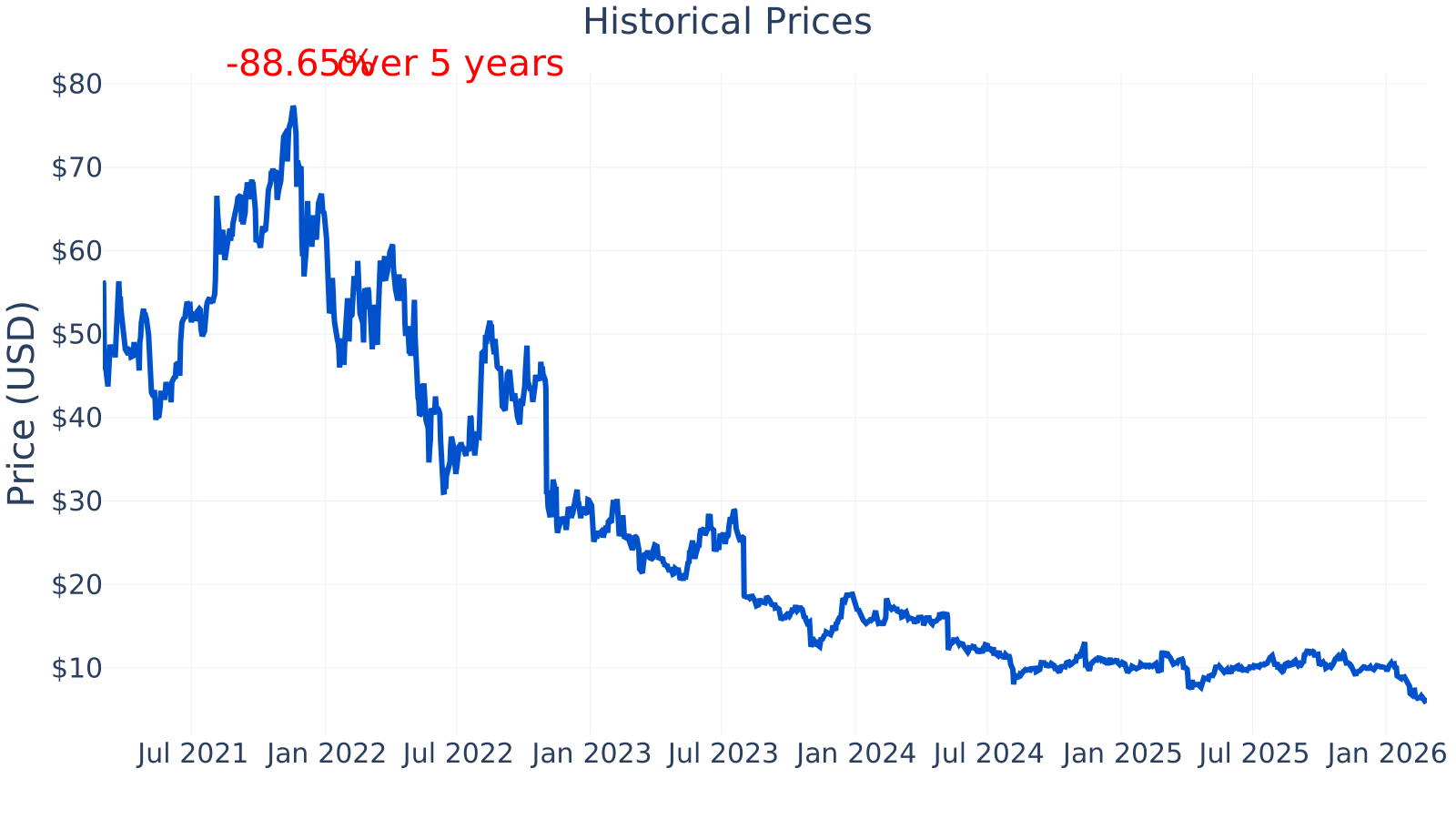
Wolverine’s market capitalization is about $1.52 billion, placing it in the small/mid-size public company range. The stock’s beta of ~1.90 signals that the share price has historically moved more than the overall market, which can matter for long-term holders who prefer steadier price behavior.
On profitability, the latest net profit margin is ~4.85% versus an industry median of about 5.43%, indicating the company is close to the typical peer level but not structurally higher at the moment. The latest year-over-year revenue growth is ~6.8%, roughly in line with the industry median (~6.9%), suggesting recent top-line momentum is comparable to peers.
Two items stand out. First, free cash flow (TTM) is about $54.3 million, which is important because it reflects cash generation after operating needs and capital spending. Second, the company’s debt-to-equity is ~218% versus an industry median around 63%, implying meaningfully higher leverage than many peers.
Growth (Medium)
Footwear is a large, competitive consumer category where growth tends to track a combination of consumer demand, product innovation, brand strength, and distribution execution. It is not typically a “winner-takes-all” industry; instead, performance often depends on maintaining brand relevance and managing cycles (for example, retailer inventory adjustments and shifts in fashion trends).
For Wolverine specifically, a key question for future growth is whether the company can translate brand investments and distribution decisions into sustained demand while maintaining disciplined costs. The recent pattern of results suggests the company has been working through a difficult period and is now showing signs of improvement in growth and profitability, but the longer-term trajectory depends on consistency across multiple seasons and retail cycles.
The year-over-year revenue growth line highlights a swing from strong positive growth earlier in the period to significant declines through 2023–2024, followed by a return to growth in 2025 (mid-to-high single digits most recently). For long-term context, the key is whether the rebound becomes stable rather than cyclical.
Free cash flow has been volatile: strongly positive in 2021, negative through 2022–2023, then back to positive in 2024–2025. If this positive cash generation persists, it can support debt reduction, reinvestment in brands, and a stronger financial cushion during weaker consumer periods.
Risks (High)
This article is for informational purposes only and does not constitute financial advice. Some content is AI-generated. See Disclaimer