Stock Analysis · Visteon Corp (VC)
Overview
Visteon Corporation designs and supplies automotive electronics, with a focus on the “digital cockpit” area inside vehicles. In simple terms, it helps carmakers build the screens, displays, and computing systems that drivers and passengers interact with (such as instrument clusters, infotainment screens, and related software). Visteon sells mainly to global vehicle manufacturers (OEMs), so its business tends to follow auto production volumes and the pace at which carmakers adopt new in-car electronics.
In its filings, Visteon describes revenue primarily in terms of product lines rather than consumer-facing brands. The company’s major revenue drivers typically come from cockpit electronics programs awarded by automakers and produced at scale over the life of a vehicle platform.
Main sources of revenue (high-level categories commonly described in company filings):
- Digital cockpit / cockpit electronics (instrument clusters, infotainment, domain controllers/computing, displays and related software)
- Connected and software-enabled features that are delivered as part of cockpit programs (often bundled within the systems above rather than sold separately)
- Other / legacy or non-core items (as applicable by period)
The income flow over the last several years shows revenue expanding from 2021 into 2023 and then leveling off more recently, while operating income remained positive. Research & development spending stayed meaningful each year, reflecting the need to keep up with fast-evolving vehicle electronics and software expectations.
Key Figures
| Metric | Value | Industry ⓘ |
|---|---|---|
| Date | Feb 23, 2026 | |
| Context | ||
| Sector | Consumer Cyclical | |
| Industry | Auto Parts | |
| Market Cap ⓘ | $2.54B | |
| Beta ⓘ | 1.16 | |
| Fundamental | ||
| P/E Ratio ⓘ | 8.33 | 24.32 |
| Profit Margin ⓘ | 5.33% | 3.40% |
| Revenue Growth ⓘ | 1.00% | 5.00% |
| Debt to Equity ⓘ | 34.44% | 71.77% |
| PEG ⓘ | 1.21 | |
| Free Cash Flow ⓘ | $334.00M | |
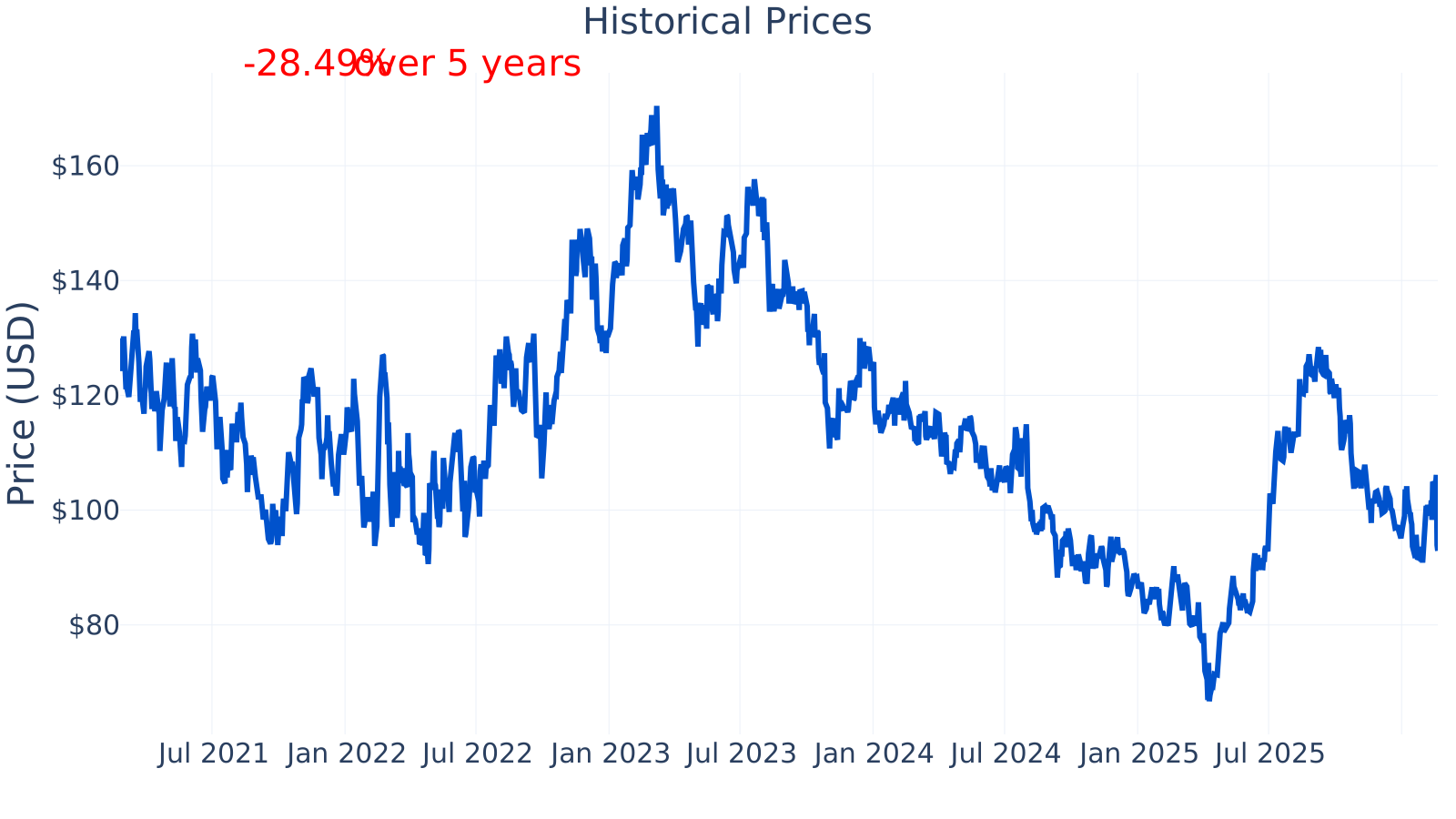
Visteon’s market capitalization is about $2.54B and its beta of 1.16 suggests the stock has tended to move somewhat more than the broader market. The company’s current P/E ratio is 8.33 versus an industry median of 24.32, while its profit margin is 5.33% versus an industry median of 3.40%. Recent year-over-year revenue growth is about 1.0% (industry median: 5.0%). Leverage appears lower than the industry median with debt-to-equity of ~34% (industry median: ~72%). Trailing twelve-month free cash flow is about $334M.
Growth (medium)
Visteon operates in the auto parts space, but its core focus—vehicle computing, displays, and software-enabled cockpit functions—aligns with a broader industry shift toward more electronics content per vehicle. Automakers continue integrating more screens, more processing power, and more software features into vehicles, which can support long-term demand for suppliers that can deliver reliable hardware-software systems at automotive quality standards.
From a recent performance perspective, growth has been uneven. Year-over-year revenue growth swung widely earlier in the period and has been close to flat more recently, which is consistent with the reality that automotive supplier revenue often depends on production schedules, customer program ramps, and model cycles.
Cash generation is an important part of the long-term picture for an automotive technology supplier because product development and program launches can be capital intensive. Visteon’s trailing free cash flow improved materially from earlier periods (including a negative period in 2022) to a higher level in 2024–2025, which can provide flexibility for investment, balance sheet management, or other corporate uses.
Potential catalysts commonly described in company materials for this type of business include new platform awards (new vehicle programs), higher adoption of centralized cockpit computing architectures, and broader penetration of larger integrated displays and software features. However, the timing of these catalysts typically depends on automaker product cycles and the pace of vehicle production.
Risks (high)
This article is for informational purposes only and does not constitute financial advice. Some content is AI-generated. See Disclaimer