Stock Analysis · Varonis Systems (VRNS)
Overview
Varonis Systems is a cybersecurity software company focused on helping organizations understand where their sensitive information is, who can access it, and what activity around that information looks unusual. In simple terms, it aims to reduce the risk of data leaks and misuse by improving visibility and control over unstructured data (such as files, folders, email content, and collaboration tools).
The company primarily sells software subscriptions and related services to businesses and institutions. A central theme in recent years has been shifting more customers toward subscription-based arrangements (rather than one-time licenses), which typically makes revenue more recurring over time but can also change how revenue is recognized from quarter to quarter.
In its SEC filings, Varonis generally reports revenue at a high level rather than giving a detailed product-by-product percentage split. Commonly described revenue components include:
- Subscription revenue (software access over a contract term)
- Maintenance and support (for customers on older licensing models)
- Professional services (implementation and related services)
Across the periods shown, total revenue rises from about $390 million (2021) to about $624 million (2025). Gross profit also grows, but operating expenses remain very high—especially research and development—contributing to ongoing operating losses in most years shown.
Key Figures
| Metric | Value | Industry ⓘ |
|---|---|---|
| Date | Feb 07, 2026 | |
| Context | ||
| Sector | Technology | |
| Industry | Software - Infrastructure | |
| Market Cap ⓘ | $2.67B | |
| Beta ⓘ | 0.57 | |
| Fundamental | ||
| P/E Ratio ⓘ | N/A | 25.66 |
| Profit Margin ⓘ | -20.74% | 6.68% |
| Revenue Growth ⓘ | 9.40% | 15.20% |
| Debt to Equity ⓘ | 95.51% | 19.82% |
| PEG ⓘ | 6.84 | |
| Free Cash Flow ⓘ | $134.80M | |
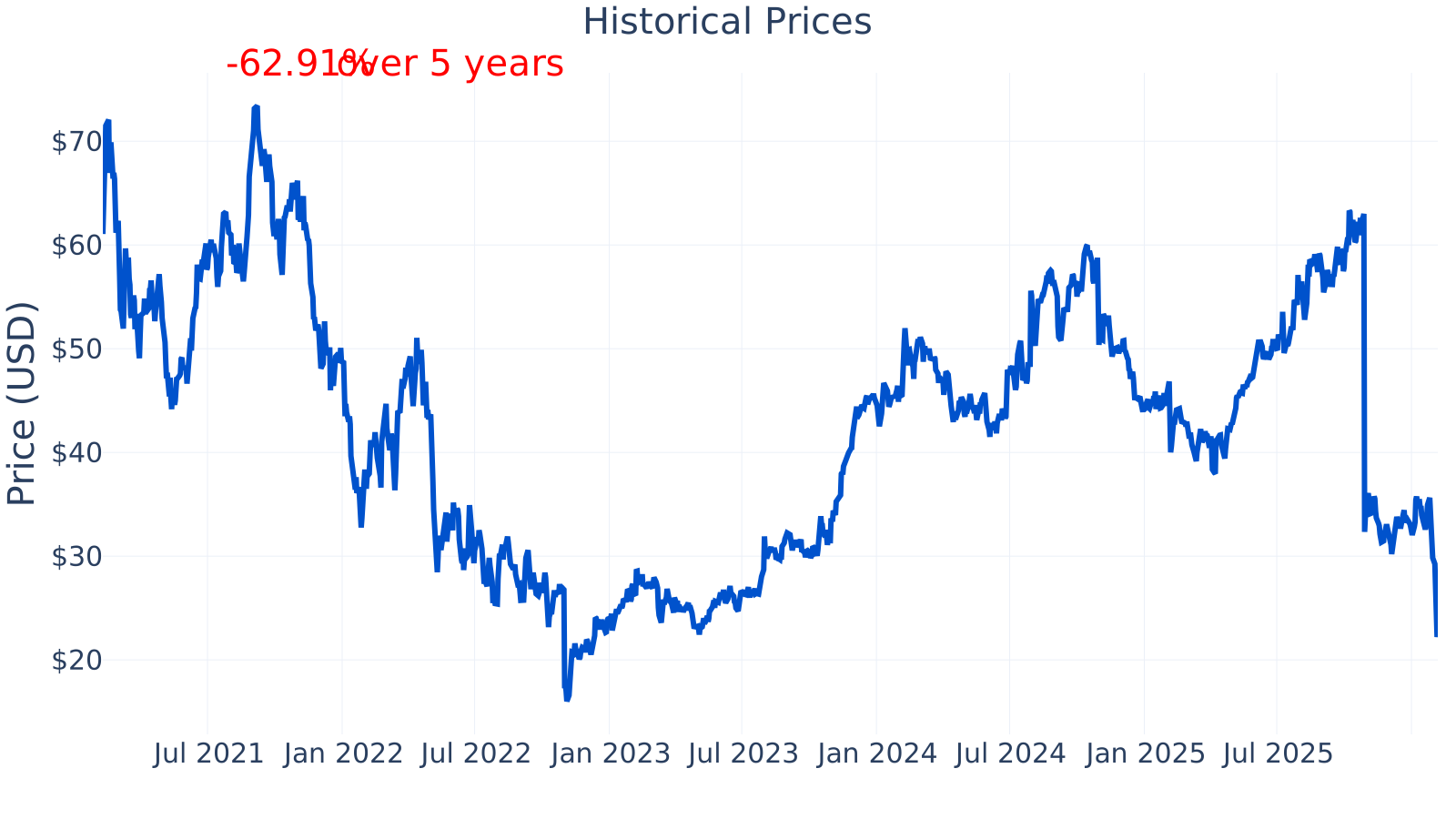
Varonis has a market capitalization of about $2.67 billion and a beta of about 0.58 (a measure that historically has implied less day-to-day volatility than the broader market, though it can change over time). The profit margin is about -20.7% versus an industry median near +6.7%, meaning the company is currently loss-making while the typical peer is profitable. Revenue growth year-over-year is about 9.4% versus an industry median near 15.2%. Debt-to-equity is about 95.5% versus an industry median near 19.8%, indicating higher leverage than many peers. Despite net losses, free cash flow over the trailing twelve months is positive at about $134.8 million, showing the business has recently generated cash after operating and capital spending.
Growth (Medium)
Varonis operates in cybersecurity, an industry supported by long-term demand drivers: more data being created and shared, more cloud adoption, more regulatory pressure around privacy, and a steady flow of security incidents that keep data protection high on organizational priority lists. Protecting sensitive information and monitoring access are ongoing needs rather than one-time projects, which tends to align with subscription software models.
The company’s strategy, as reflected in filings and investor communications, has centered on expanding recurring subscription revenue and building software that continuously discovers sensitive data and monitors usage patterns. If executed well, subscription models can improve revenue visibility and customer retention over time, but they may require up-front investment in sales, marketing, and product development.
Year-over-year revenue growth has moved from very high rates earlier in the period (above 30% in 2021) to much lower levels at times (including slightly negative growth in late 2023), then re-accelerated in parts of 2024 and 2025. The most recent value shown is around 9.4%, which is below the industry median shown in the table. This pattern suggests growth has not been consistent from quarter to quarter.
Free cash flow shows a notable improvement over the time shown, moving from near break-even/negative levels earlier to meaningfully positive levels in more recent periods (around $117 million as of 2025-03-31 on the chart, and about $134.8 million TTM in the table). For a company still reporting net losses, sustained positive free cash flow can be an important operational milestone, though it can fluctuate due to working capital and billing dynamics common in subscription software.
Risks (High)
This article is for informational purposes only and does not constitute financial advice. Some content is AI-generated. See Disclaimer


