Stock Analysis · Under Armour Inc A (UAA)
Overview
Under Armour, Inc. designs, markets, and distributes athletic apparel, footwear, and accessories. The company sells products through a mix of wholesale partners (such as sporting goods retailers and department stores) and direct-to-consumer channels (including brand stores and e-commerce). Under Armour operates globally, with a meaningful international presence alongside its North American business.
Revenue is generally generated from these main areas (as described in company filings), with the exact mix varying by year:
- Apparel (typically the largest category): performance and training clothing for men, women, and youth
- Footwear: athletic shoes across training, running, and select sport categories
- Accessories: items such as bags, gloves, and other gear
- Other / licensing (smaller): licensing and miscellaneous revenue streams
Under Armour also commonly discusses its business by distribution channel (wholesale vs. direct-to-consumer) and by geography (North America vs. international regions) in its annual report.
Across recent years, total revenue has fluctuated rather than rising steadily. Profitability also shows meaningful swings, including periods where operating income and net income moved from positive to negative, which highlights how sensitive results can be to product demand, promotions, and cost levels.
Key Figures
| Metric | Value | Industry ⓘ |
|---|---|---|
| Date | Feb 16, 2026 | |
| Context | ||
| Sector | Consumer Cyclical | |
| Industry | Apparel Manufacturing | |
| Market Cap ⓘ | $3.06B | |
| Beta ⓘ | 1.80 | |
| Fundamental | ||
| P/E Ratio ⓘ | N/A | 23.19 |
| Profit Margin ⓘ | -10.44% | 4.94% |
| Revenue Growth ⓘ | -5.20% | 1.60% |
| Debt to Equity ⓘ | 156.55% | 121.33% |
| PEG ⓘ | 2.23 | |
| Free Cash Flow ⓘ | -$45.91M | |
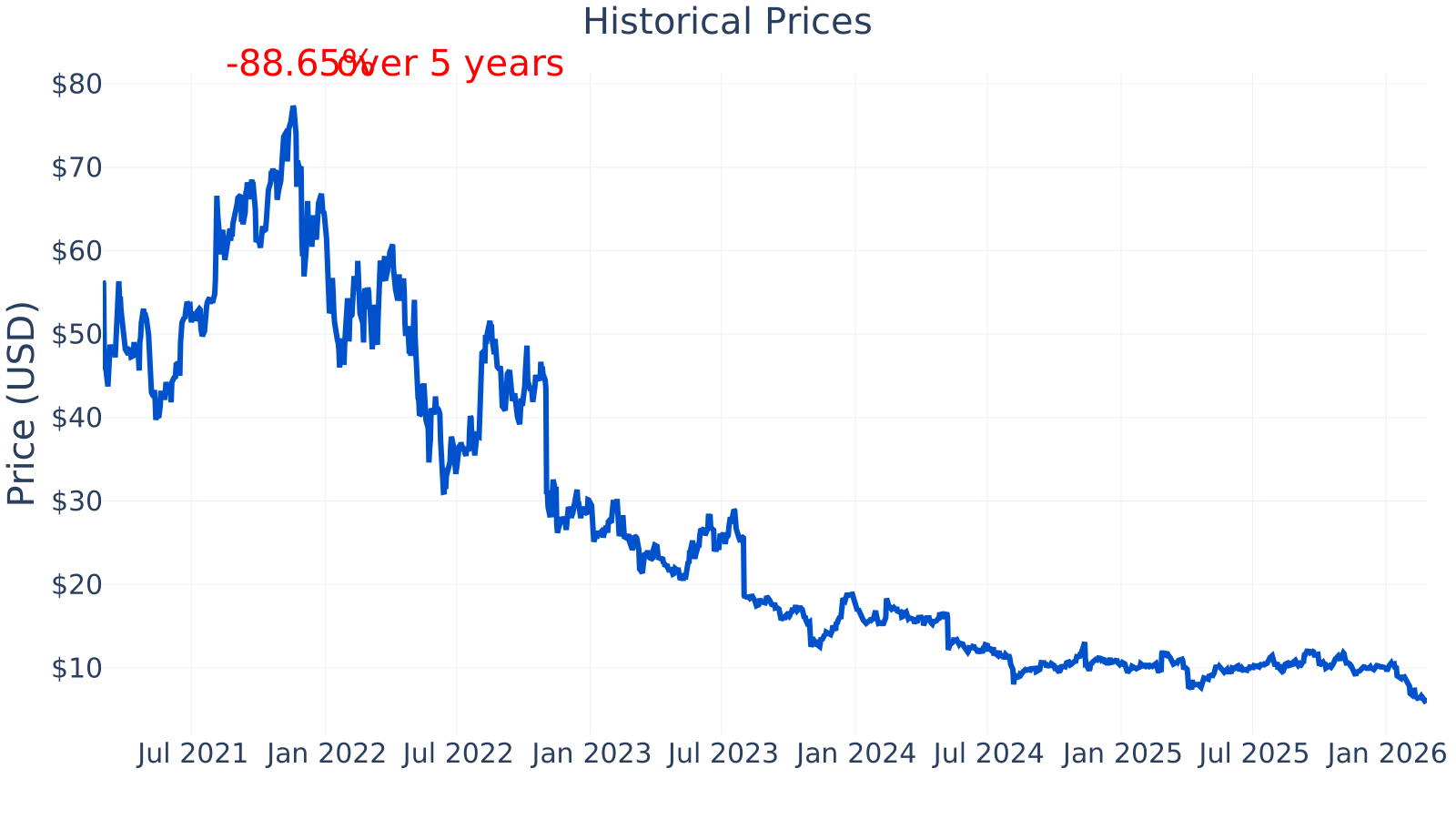
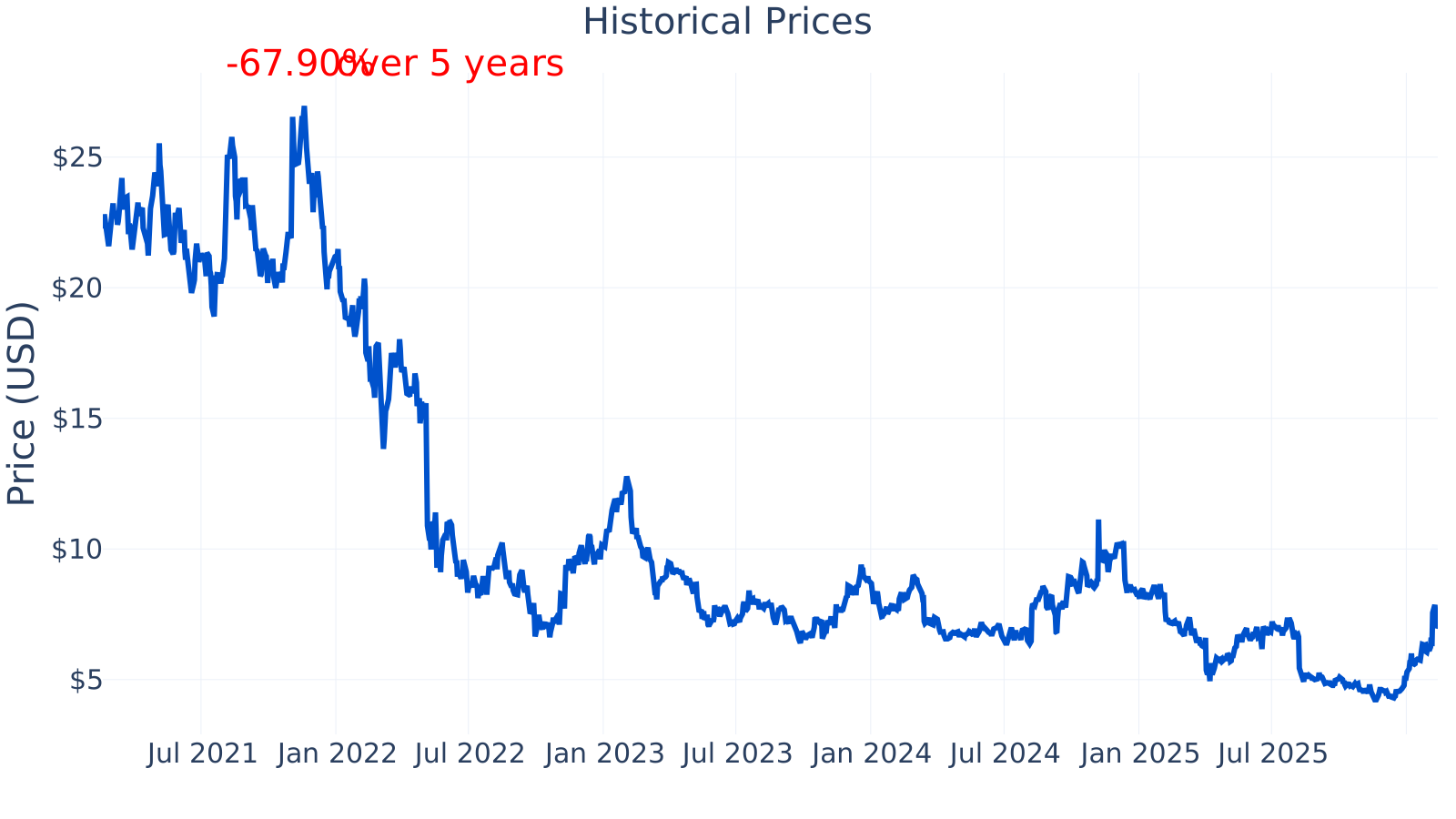
Under Armour’s market capitalization is about $3.1B, and the stock’s beta (~1.80) indicates it has historically moved more than the broader market. The latest snapshot shows a negative profit margin (~-10.4%) compared with an industry median near +4.9%, and year-over-year revenue change (~-5.2%) versus an industry median near +1.6%. Leverage is also elevated in this snapshot, with debt-to-equity ~157% versus an industry median near 121%. Free cash flow over the trailing twelve months is negative (~-$45.9M), which matters because long-term durability is typically supported by consistently positive cash generation.
Growth (Medium)
The broader athletic apparel and footwear market is supported by long-running trends such as health and wellness, casual/athleisure usage, and ongoing product innovation in performance materials. However, the category is also mature and highly competitive, so company-specific execution (brand strength, product relevance, and channel strategy) often matters more than overall industry growth.
Under Armour’s strategy in filings typically emphasizes strengthening brand positioning, improving product assortments, managing distribution (including how much product goes through wholesale versus direct-to-consumer), and expanding internationally where appropriate. In principle, these levers can support long-term growth, but they require sustained consumer demand and consistent merchandising discipline.
Recent quarterly year-over-year revenue comparisons have been mostly negative after earlier periods of stronger growth. This pattern suggests the company has been navigating a tougher demand environment and/or making deliberate changes in product and channel mix that can reduce revenue in the short run.
Free cash flow has been volatile, moving from positive to negative at different points. For a consumer brand, this often reflects changes in profitability and working capital (for example, inventory build-and-clear cycles). A clearer, sustained return to positive free cash flow would typically be an important sign of improving operating consistency.
Risks (High)
This article is for informational purposes only and does not constitute financial advice. Some content is AI-generated. See Disclaimer