Stock Analysis · Skywater Technology Inc (SKYT)
Overview
SkyWater Technology Inc. is a U.S.-based semiconductor manufacturer (often called a “foundry”). In simple terms, it helps other organizations design and produce specialized computer chips. Instead of selling consumer electronics under its own brand, SkyWater’s role is to provide the facilities, process technology, engineering support, and manufacturing services needed to turn chip designs into physical silicon.
The company positions itself around manufacturing that is difficult to outsource to very large “commodity” chip factories. This includes specialty processes (for example, chips that need to handle high voltages, harsh environments, radiation tolerance, or long product lifecycles) and work that can require close collaboration, security controls, and U.S.-based production.
In its SEC filings, SkyWater describes revenue coming primarily from semiconductor wafer manufacturing services and from engineering/technology services tied to customer programs. Public filings generally describe these as the main revenue streams, but the exact percentage split can change by period and is not always shown as a simple fixed breakdown.
Common revenue categories discussed in filings include:
- Wafer services / manufacturing revenue (producing wafers for customers)
- Technology services (engineering support, development programs, and related services connected to customer engagements)
Over the last several years shown, total revenue increased meaningfully (from about $162.8M in 2021 to about $342.3M in 2024). At the same time, operating income moved from negative territory to positive in 2024, while net income remained slightly negative—suggesting that interest expense and other items still mattered even as core operations improved.
Key Figures
| Metric | Value | Industry ⓘ |
|---|---|---|
| Date | Feb 08, 2026 | |
| Context | ||
| Sector | Technology | |
| Industry | Semiconductors | |
| Market Cap ⓘ | $1.48B | |
| Beta ⓘ | 3.51 | |
| Fundamental | ||
| P/E Ratio ⓘ | 11.63 | 45.89 |
| Profit Margin ⓘ | 36.36% | 9.42% |
| Revenue Growth ⓘ | 60.70% | 12.95% |
| Debt to Equity ⓘ | 109.73% | 25.62% |
| PEG ⓘ | N/A | |
| Free Cash Flow ⓘ | -$6.46M | |
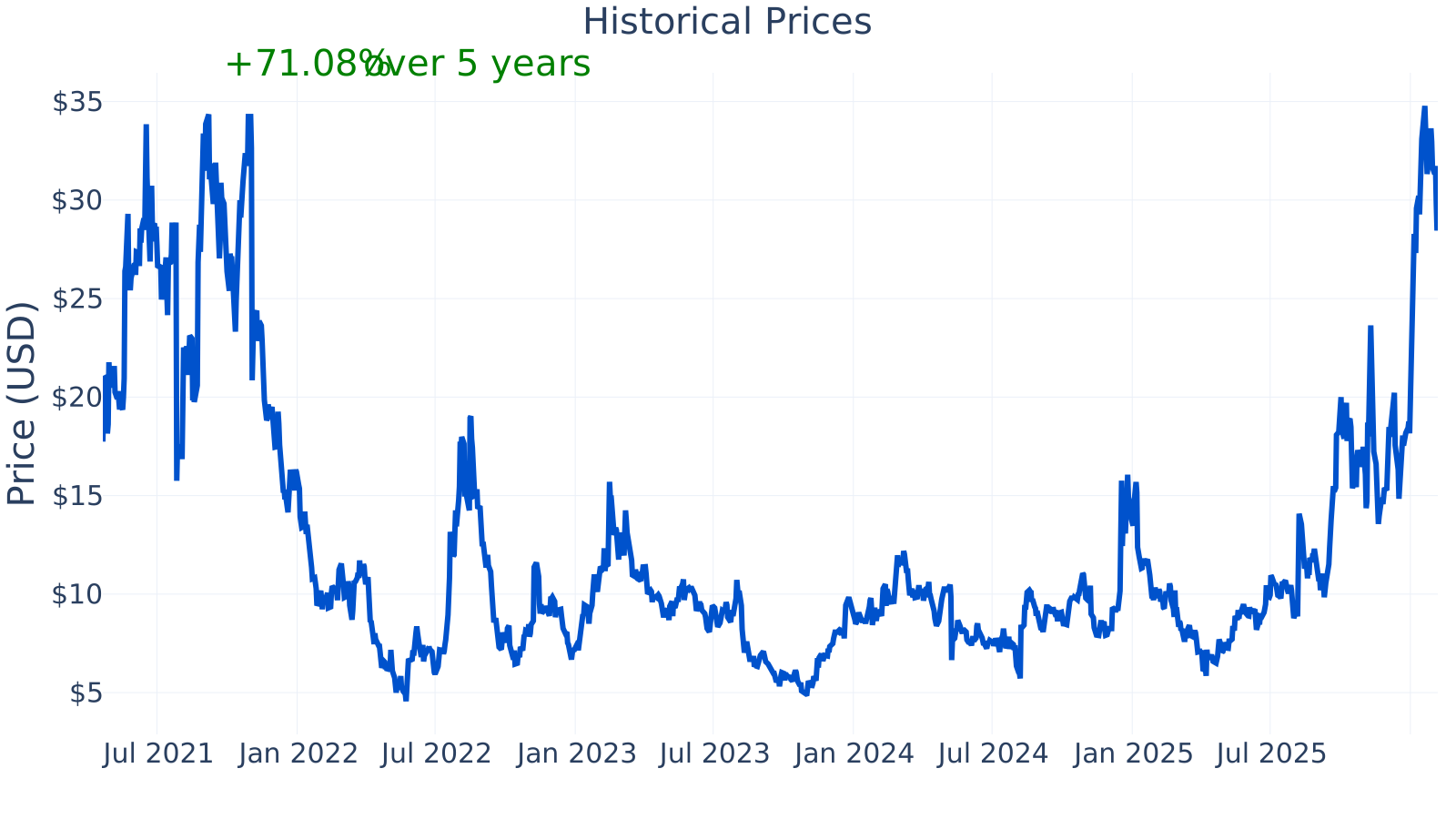
SkyWater’s market capitalization is about $1.48B. The stock’s beta of 3.51 indicates that the share price has historically moved much more than the overall market (higher volatility).
The latest P/E ratio shown is about 11.63, below the industry median shown (about 45.89). Profit margin is shown at about 36.36% versus an industry median of about 9.42%, while revenue growth year-over-year is shown at about 60.68% versus an industry median of about 12.95%. Debt-to-equity is shown at about 109.73% versus an industry median of about 25.62%. Free cash flow (TTM) is shown at about -$6.46M, which indicates slightly negative cash generation after capital spending over the trailing period displayed.
Growth (medium)
Semiconductors are a long-term growth industry because chips are used across many expanding areas: industrial systems, automotive electronics, communications infrastructure, and data-centric computing. However, not all chip manufacturing grows the same way. SkyWater is not positioned like the largest leading-edge manufacturers focused on the smallest “cutting-edge” transistors; it focuses on specialty and strategic manufacturing needs where customers value reliability, customization, and (in some cases) domestic production and security.
That strategy can make sense for long-term growth if demand continues for specialized processes and for supply chains that are resilient and geographically diversified. In practice, SkyWater’s growth depends on the pace of customer program wins, moving development work into repeatable manufacturing, and keeping factory utilization high enough to support margins.
The year-over-year revenue growth line has been volatile, including periods of negative growth, followed by a sharp rebound to roughly 60.68% in the most recent point shown. This pattern can happen in project-driven manufacturing when customer demand and program timing shift from quarter to quarter.
Free cash flow improved substantially from deeply negative levels in 2021–2022 to positive in 2024 and 2025 in the series shown, but the latest metric table shows slightly negative trailing free cash flow (about -$6.46M). For a semiconductor manufacturer, free cash flow can swing because the business typically requires meaningful investment in equipment and facilities, and those investments do not always line up neatly with revenue timing.
Potential catalysts discussed in company materials typically relate to new customer programs ramping into production, expanding capacity or capabilities, and benefitting from multi-year demand in specialty markets. The company’s filings also commonly highlight the importance of long-term customer relationships and program execution as the bridge from engineering work to recurring manufacturing revenue.
Risks (high)
This article is for informational purposes only and does not constitute financial advice. Some content is AI-generated. See Disclaimer


