Stock Analysis · Six Flags Entertainment Corporation (FUN)
Overview
Six Flags Entertainment Corporation (FUN) operates regional theme parks and waterparks. Its business model is relatively straightforward: attract guests to its parks and then earn money from admissions (including season passes and memberships) and from what visitors spend inside the parks (food, beverages, merchandise, games, and other in-park purchases). The company also generates revenue from special events and partnerships, and in some cases from on-site accommodations and other ancillary offerings depending on the park.
In general, the main revenue streams for a regional theme-park operator like Six Flags are:
- Admissions (single-day tickets, season passes, memberships)
- In-park spending (food and beverage, merchandise, games, and other guest spend)
- Other revenue (special events, sponsorships/partnerships, and other ancillary items)
Six Flags’ economics are highly tied to attendance levels, pricing power (what it can charge for tickets and passes), and per-capita spending once guests are inside the parks. Weather, consumer confidence, and local competition can meaningfully influence results from one season to the next.
Across the years shown, total revenue rises from about $1.34B (2021) to about $2.71B (2024), while profitability is more volatile: operating income stays positive, but net income swings from profits (2022–2023) to a loss in 2024, with interest expense remaining a sizable, recurring cost.
Key Figures
| Metric | Value | Industry ⓘ |
|---|---|---|
| Date | Feb 08, 2026 | |
| Context | ||
| Sector | Consumer Cyclical | |
| Industry | Leisure | |
| Market Cap ⓘ | $1.90B | |
| Beta ⓘ | 0.35 | |
| Fundamental | ||
| P/E Ratio ⓘ | N/A | 27.52 |
| Profit Margin ⓘ | -56.44% | 7.90% |
| Revenue Growth ⓘ | -2.30% | 6.00% |
| Debt to Equity ⓘ | 853.17% | 33.08% |
| PEG ⓘ | 3.72 | |
| Free Cash Flow ⓘ | -$168.71M | |
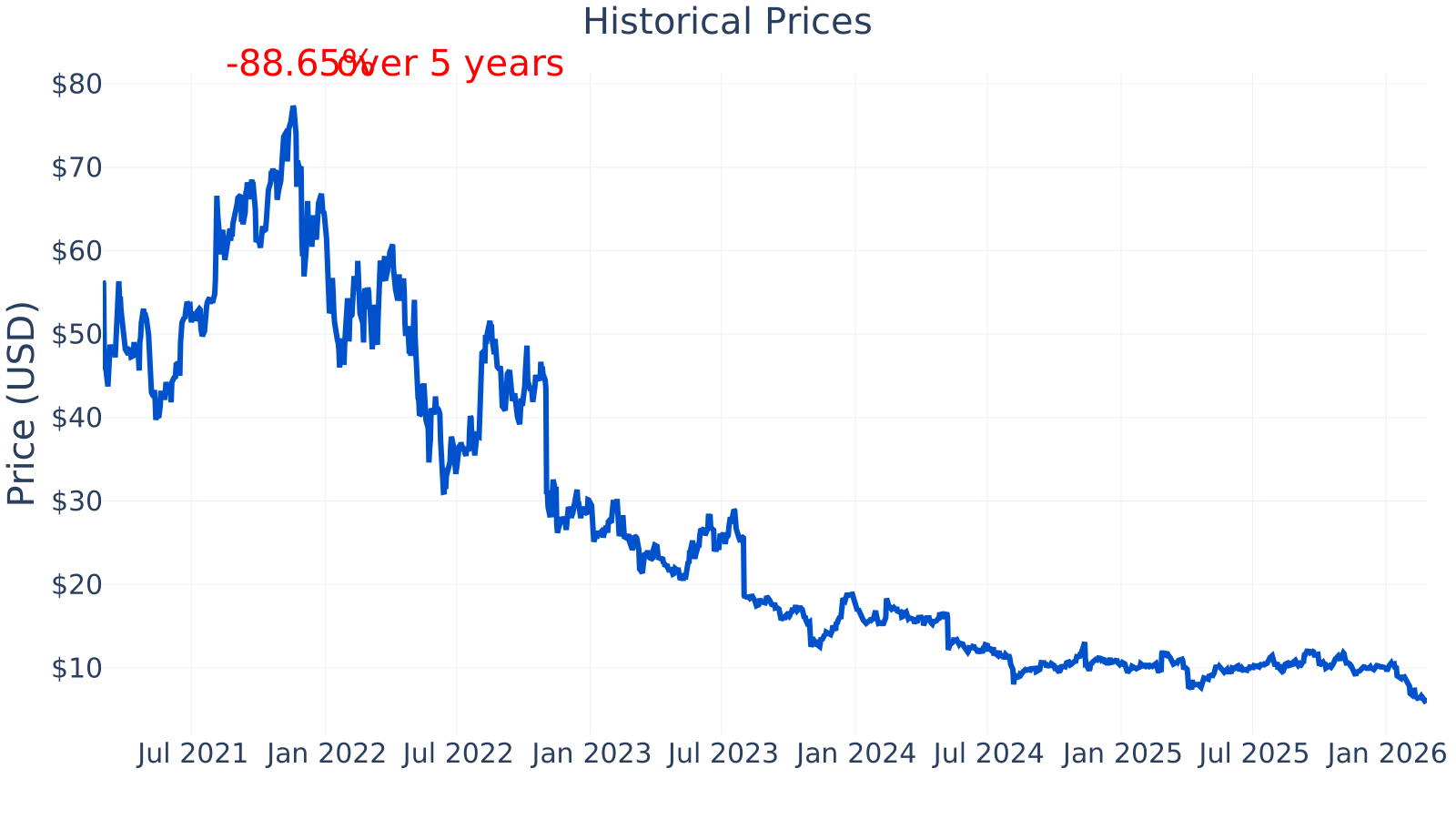
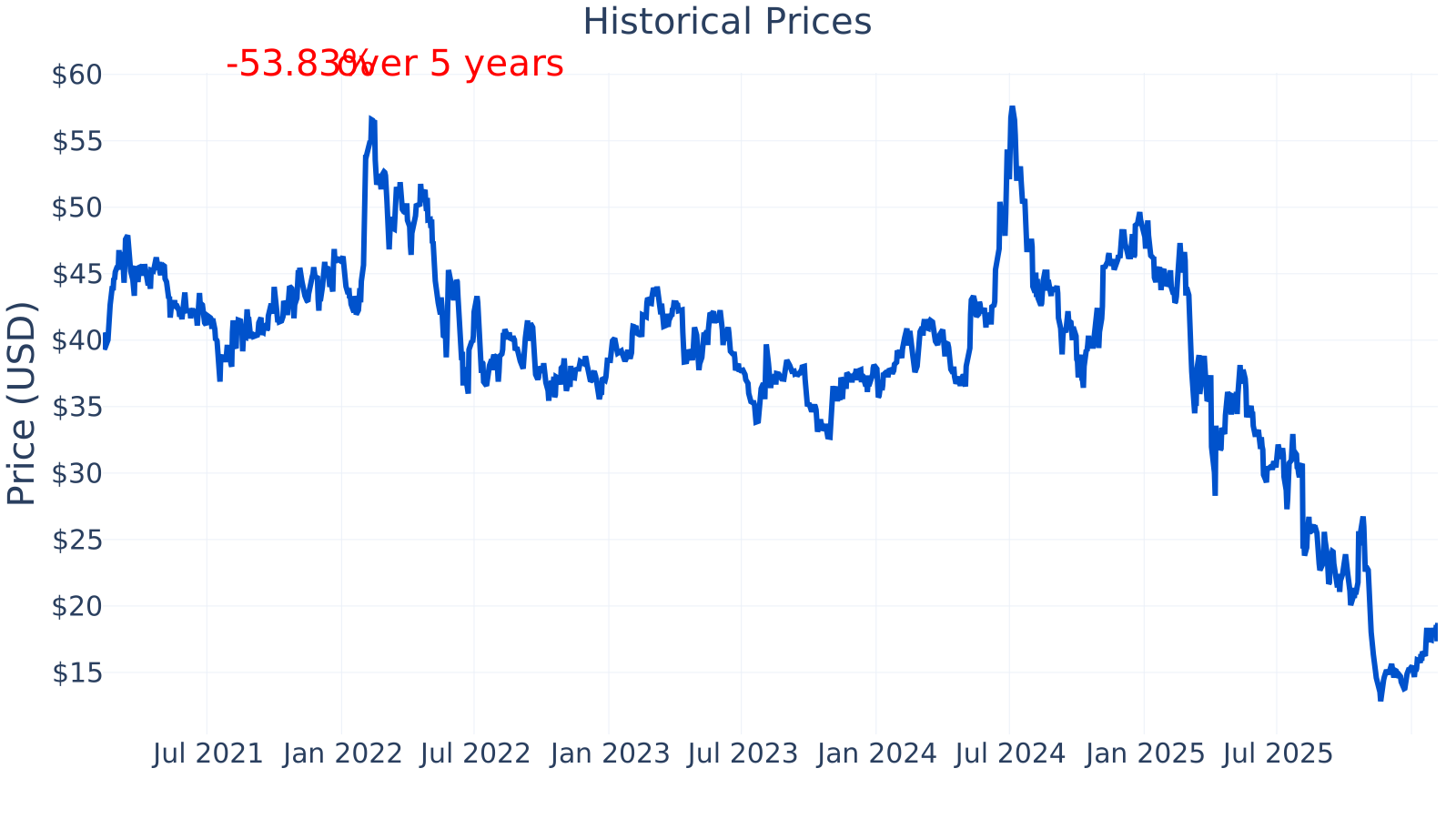
Six Flags’ market capitalization is about $1.90B, and the stock’s reported beta of 0.35 suggests the share price has tended to move less than the broader market (though company-specific events can still drive large swings). Recent fundamentals shown here are mixed: profit margin is -56.44% versus an industry median near 7.90%, and year-over-year revenue growth is -2.3% versus an industry median near 6.0%. Leverage stands out: debt-to-equity is ~853% compared with an industry median near 33%. Free cash flow (trailing twelve months) is about -$168.7M, indicating cash outflows after operating needs and capital spending over that period.
Growth (Medium)
Regional theme parks operate in a mature part of the leisure market: long-term demand tends to track population, consumer spending power, and the ability to refresh the guest experience. Growth often comes less from opening many new parks and more from improving revenue per guest (pricing, season-pass mix, and in-park spending) while managing costs and capital investment.
A key question for future growth is whether Six Flags can consistently convert attendance into profitable revenue—especially through higher per-capita spending, efficient operations, and well-targeted capital spending on new rides and attractions. Another potential catalyst for results can be execution on pricing and product strategy (for example, changes in the balance between discounting vs. yield management) and improved operating efficiency during peak seasons.
The year-over-year revenue growth series is volatile, which is common for seasonal businesses, but the most recent point shown is slightly negative at about -2.3%. That matters because stable revenue growth makes it easier to absorb fixed costs and interest expense.
Free cash flow has also swung meaningfully over time: it is positive in parts of the period shown (peaking around $191.8M in 2023), then weakens and turns negative again (around -$97.7M by early 2025, and -$168.7M on the latest table). For a capital-intensive business (rides, maintenance, safety, and park improvements), sustained positive free cash flow can be an important indicator of financial flexibility.
Risks (High)
This article is for informational purposes only and does not constitute financial advice. Some content is AI-generated. See Disclaimer