Stock Analysis · Semrush Holdings Inc (SEMR)
Overview
Semrush Holdings Inc (SEMR) is a software company that helps businesses improve how they are found and chosen online. Its platform is widely associated with search engine optimization (SEO), but it also supports broader digital marketing tasks such as keyword research, competitive benchmarking, content planning, and tracking marketing performance. In plain terms, Semrush sells tools that help companies understand what people search for, what competitors are doing, and how to allocate marketing effort more effectively.
The business model is subscription-based software (often described as “software-as-a-service” or SaaS). Customers typically pay recurring fees to access the platform, which tends to create more predictable revenue than one-time sales. Semrush also provides some services and add-ons around its platform, but the core idea remains recurring access to its software tools.
Main sources of revenue (high-level):
- Subscription revenue (recurring access to the Semrush platform)
- Other revenue (add-ons and services related to the platform)
From 2021 to 2024, revenue increased meaningfully (from about $188.0M to about $376.8M). Over the same period, the company’s gross profit grew as well (about $146.1M to about $311.3M), while operating expenses also rose—reflecting continued spending on product development and go-to-market activities. By 2024, operating income turned positive, which is a notable shift versus the operating losses shown in earlier years.
Key Figures
| Metric | Value | Industry ⓘ |
|---|---|---|
| Date | Feb 08, 2026 | |
| Context | ||
| Sector | Technology | |
| Industry | Software - Application | |
| Market Cap ⓘ | $1.79B | |
| Beta ⓘ | 1.55 | |
| Fundamental | ||
| P/E Ratio ⓘ | N/A | 27.79 |
| Profit Margin ⓘ | -1.05% | 6.02% |
| Revenue Growth ⓘ | 15.10% | 15.80% |
| Debt to Equity ⓘ | 4.81% | 25.15% |
| PEG ⓘ | N/A | |
| Free Cash Flow ⓘ | $48.03M | |
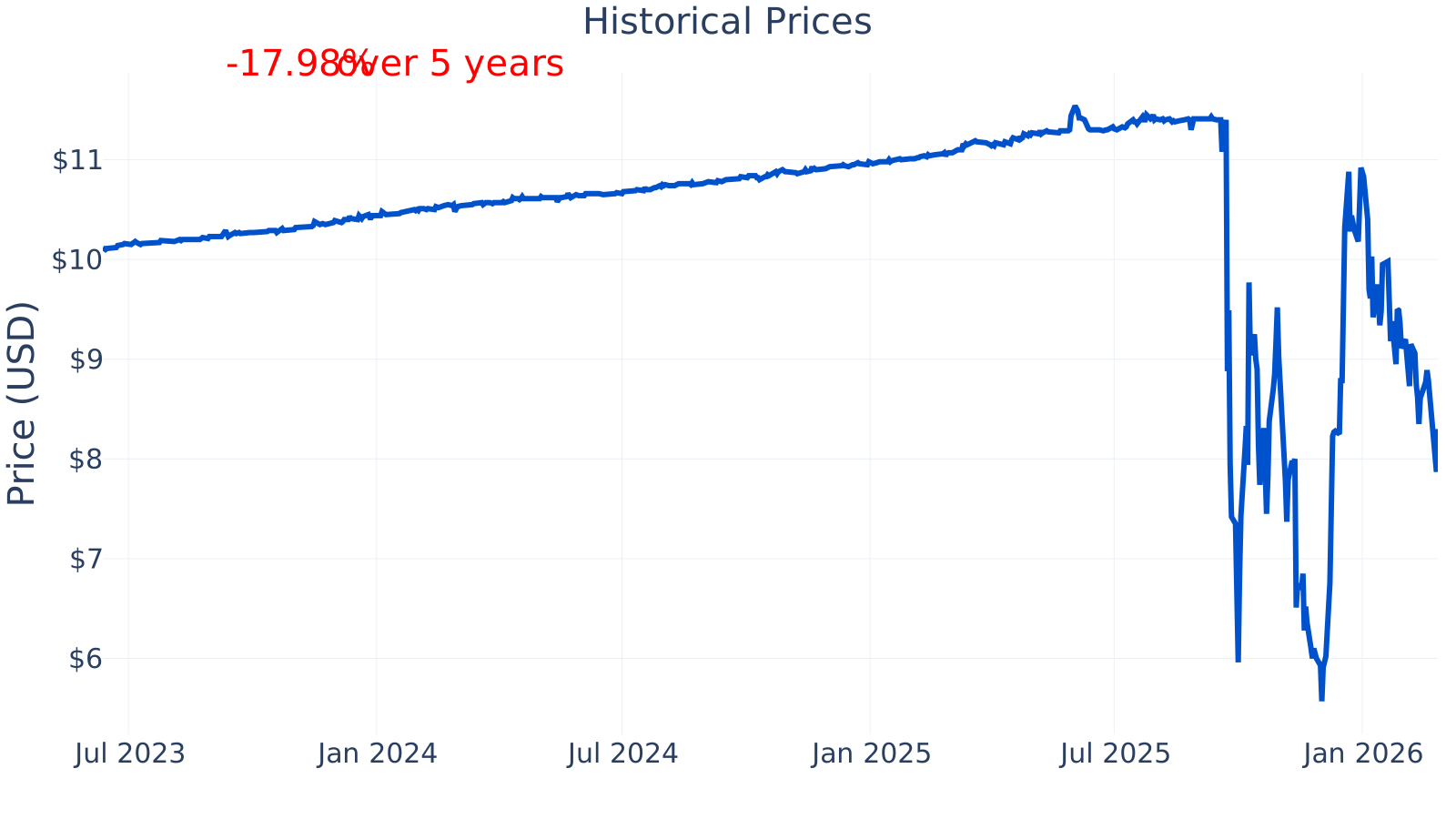
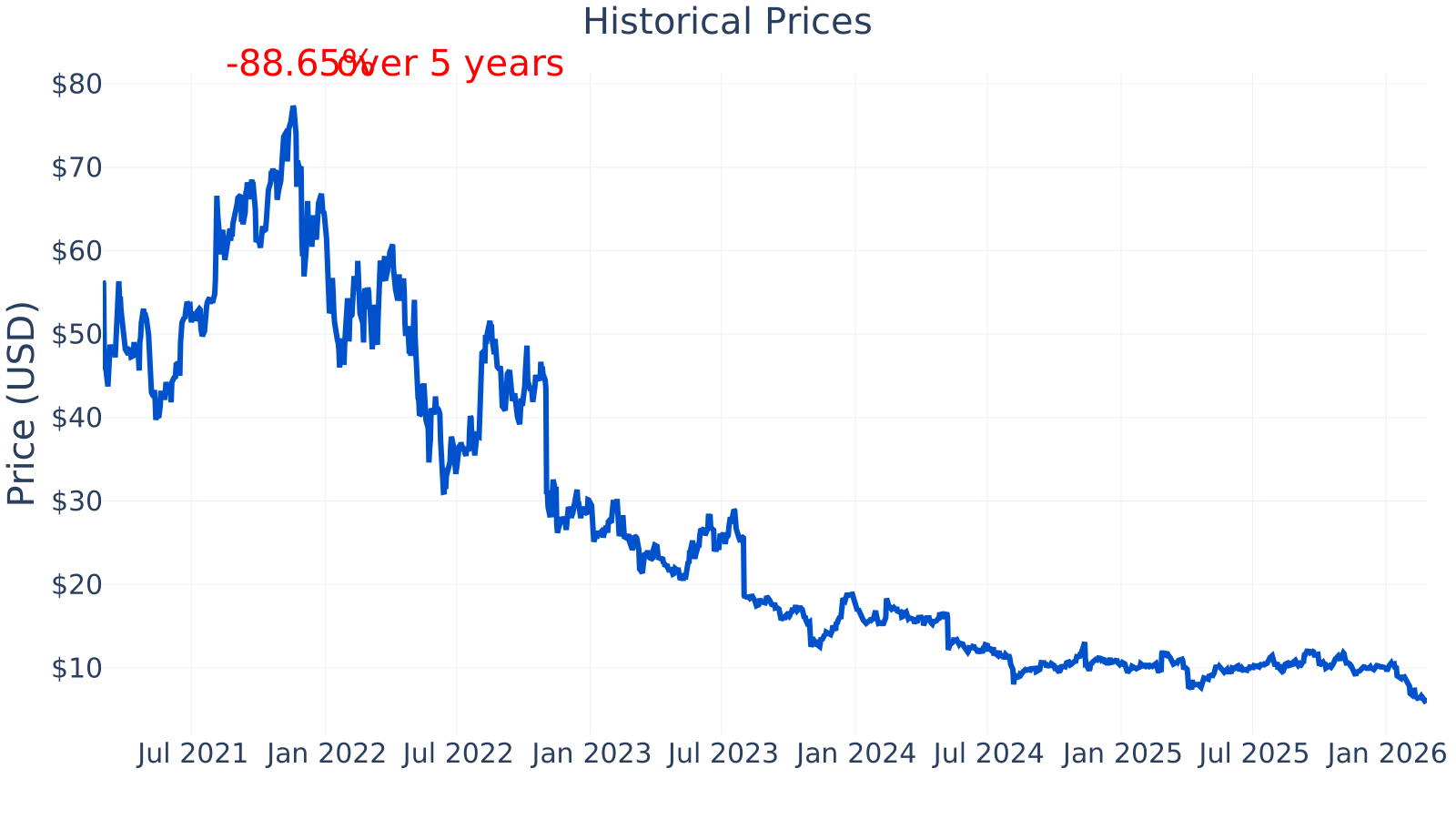
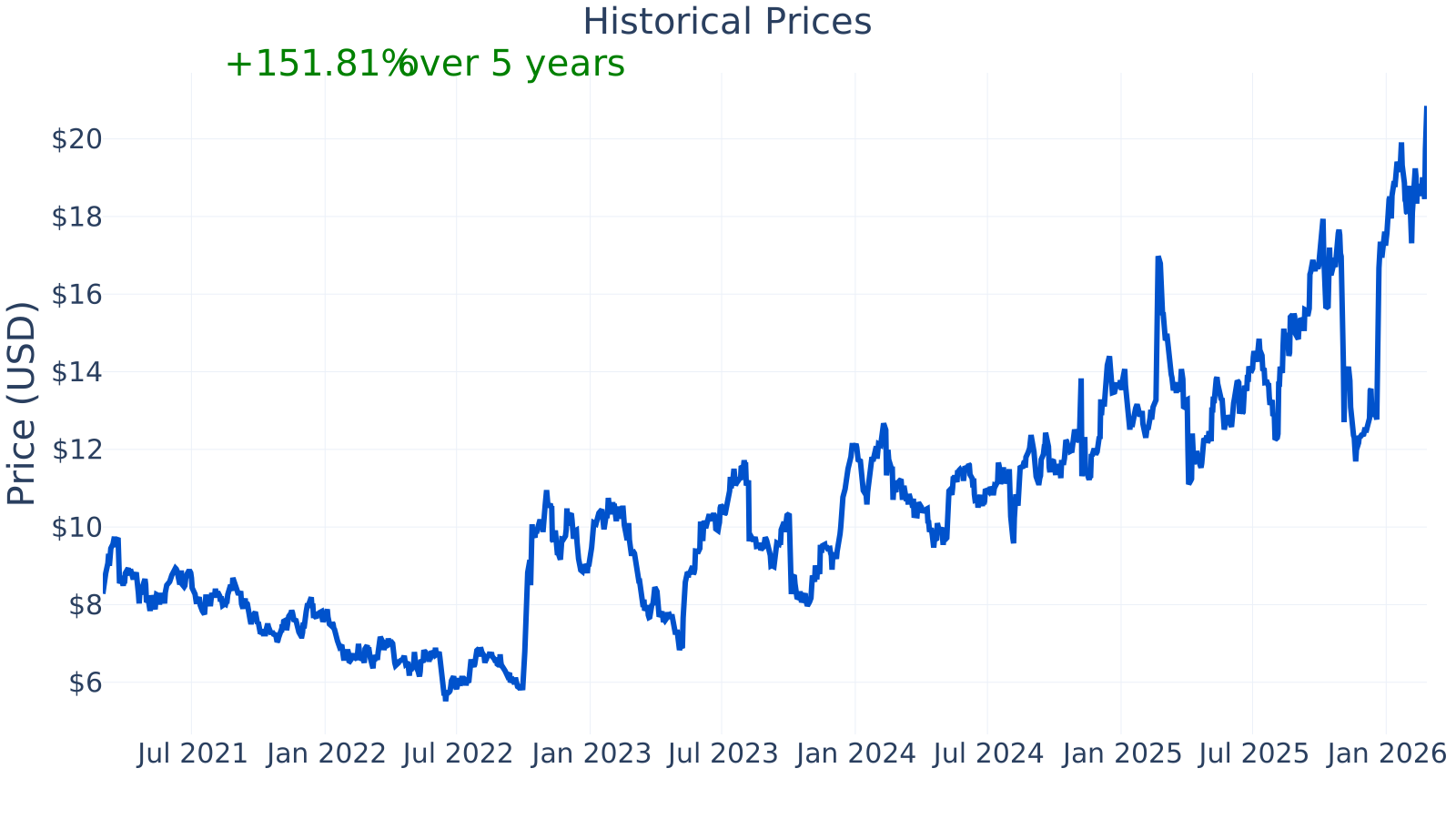
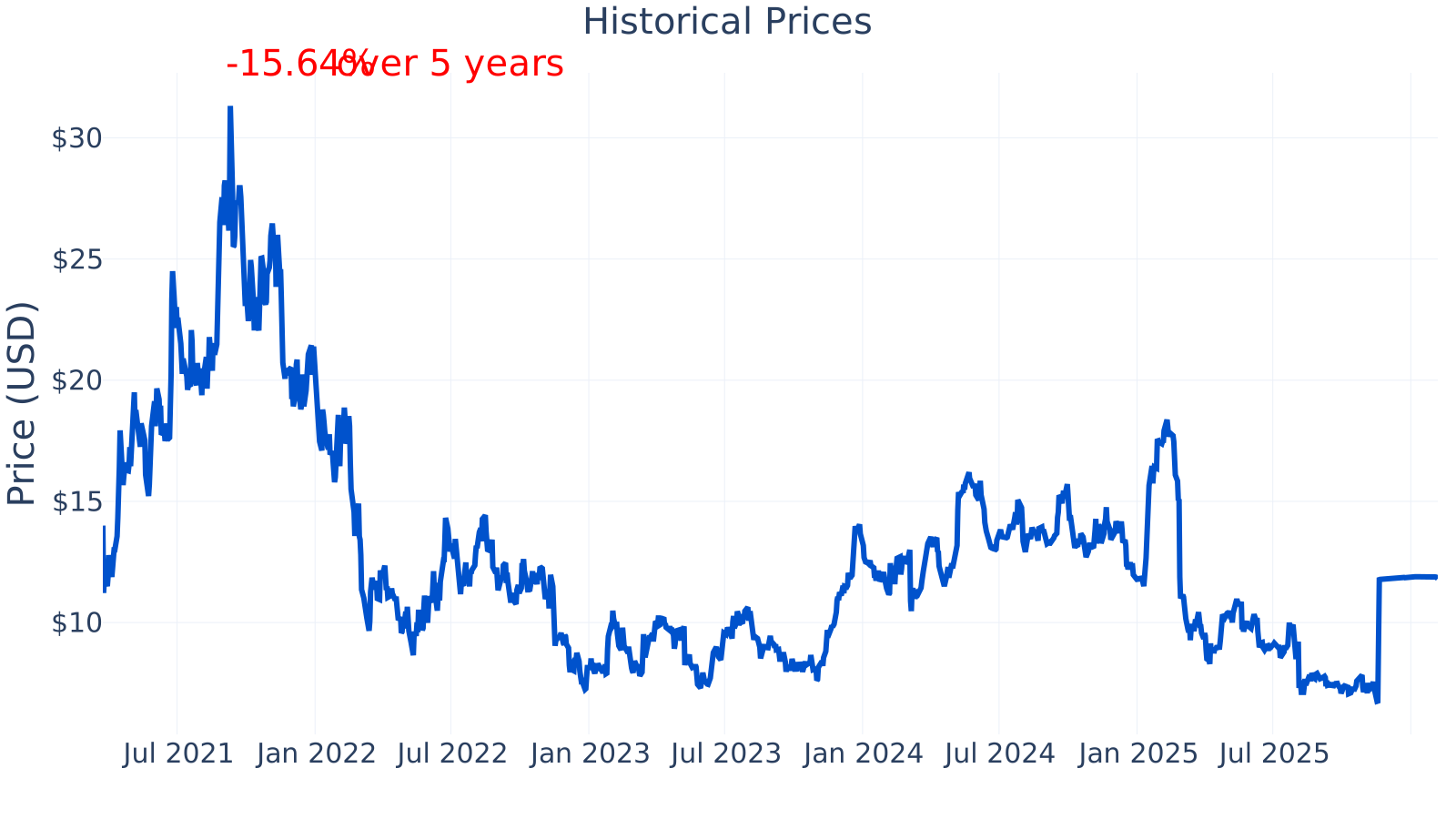
Semrush’s market capitalization is about $1.79B. The stock’s beta (~1.55) suggests it has tended to move more than the overall market, which can mean larger price swings in both directions. Profit margin is currently -1.05% versus an industry median around 6.03%, indicating the company is near break-even but not consistently profitable by this measure. Revenue growth year-over-year is about 15.1%, close to the industry median of about 15.8%. Debt-to-equity is about 4.81%, below the industry median (~25.15%), which indicates relatively low balance-sheet leverage. Trailing twelve-month free cash flow is about $48.0M, showing the business has recently generated cash after operating costs and capital needs.
Growth (Medium)
Semrush operates in the digital marketing software space, which is tied to long-term trends such as ongoing migration of commerce and customer acquisition to online channels, the need to measure marketing return on investment, and the increasing complexity of competing for attention on search engines and other discovery platforms. In that sense, the industry backdrop is structurally supportive: businesses keep needing tools to improve visibility and efficiency in marketing spend.
At the company level, revenue growth has moderated from very high rates earlier in the period to more typical “scaled SaaS” growth more recently. The year-over-year revenue growth trend shows a clear deceleration from 2021–2022 levels toward mid-teens growth in 2025, which can be normal as a company becomes larger—but it also means future value creation depends more on execution, product strength, and sustained customer demand than on rapid market expansion alone.
Another important element for long-term durability is the ability to convert revenue into cash. Semrush’s free cash flow has improved compared with the negative period shown in 2023, reaching a materially positive level in the most recent trailing twelve-month figure provided. That kind of improvement can matter because it can help fund product investment internally and reduce reliance on external financing.
Potential catalysts (factual, non-predictive) typically include continued product expansion, the ability to retain and expand subscriptions among existing customers, and operating discipline that sustains positive operating income and cash generation. Because the product is used by marketers and organizations that can adjust spending with the economy, the company’s results may also react to broader business confidence and marketing budgets.
Risks (High)
This article is for informational purposes only and does not constitute financial advice. Some content is AI-generated. See Disclaimer