Stock Analysis · United Parks & Resorts Inc (PRKS)
Overview
United Parks & Resorts Inc (formerly SeaWorld Entertainment) operates theme parks and entertainment destinations centered on marine life, rides, live shows, and in-park experiences. The company’s parks are primarily in the United States and generate revenue by bringing guests on-site and selling add-on products and services once guests are in the parks.
In its SEC filings, the company describes revenue as being driven mainly by admissions and in-park spending, with additional contribution from partnerships and other activities. In simple terms, the business model depends on attendance, guest spending per visit, and the ability to keep the parks appealing through events, new attractions, and marketing.
Main revenue sources (typical for the company’s reporting categories) include:
- Admissions (tickets, multi-visit passes, memberships)
- Food, beverage, and merchandise (in-park spending)
- In-park experiences and upgrades (premium experiences, front-of-line options, etc.)
- Other revenue (such as partnerships/sponsorships and ancillary items, as described in filings)
The company’s recent annual results show a relatively stable revenue base around the low-to-mid $1.7B range, with operating income in the mid-$400M range in recent years. Interest expense is meaningful, reflecting the importance of debt and financing costs in the overall earnings picture.
Across 2022–2024, total revenue stayed around $1.73B, while operating income remained near the mid-$400M range. Over the same period, interest expense rose (from about $118M in 2022 to about $168M in 2024), which can reduce the amount of profit left for shareholders even when operating performance is steady.
Key Figures
| Metric | Value | Industry ⓘ |
|---|---|---|
| Date | Feb 08, 2026 | |
| Context | ||
| Sector | Consumer Cyclical | |
| Industry | Leisure | |
| Market Cap ⓘ | $2.04B | |
| Beta ⓘ | 1.17 | |
| Fundamental | ||
| P/E Ratio ⓘ | 11.19 | 27.52 |
| Profit Margin ⓘ | 10.83% | 7.90% |
| Revenue Growth ⓘ | -6.20% | 6.00% |
| Debt to Equity ⓘ | -761.85% | 33.08% |
| PEG ⓘ | N/A | |
| Free Cash Flow ⓘ | $220.71M | |
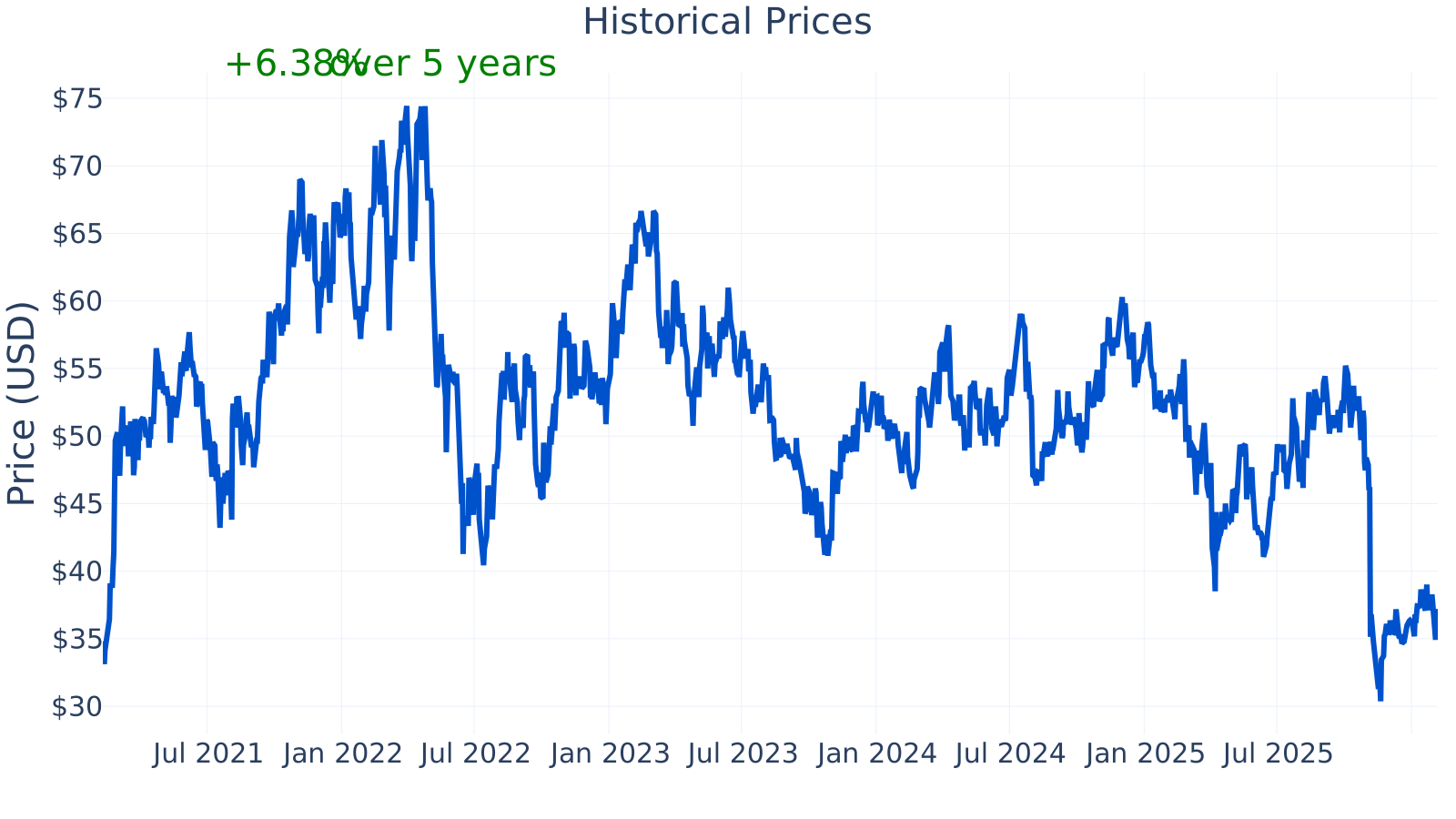
At the latest snapshot, the company has a market capitalization of about $2.04B and a beta of ~1.17, which indicates the stock has tended to move somewhat more than the broader market. The P/E ratio is ~11.2 versus an industry median near 27.5. The profit margin is ~10.8% compared with an industry median near 7.9%. Recent year-over-year revenue growth is -6.2%, while the industry median is positive (about +6%). Free cash flow (TTM) is about $221M, which matters for debt service and reinvestment.
Growth (Medium)
Theme parks are part of the broader leisure and experiences economy. Over the long term, demand tends to be supported by population growth, tourism flows, and consumer preference for experiences—yet results can be uneven because spending on travel and entertainment is sensitive to economic conditions. For United Parks & Resorts specifically, growth usually comes from a mix of attendance, pricing, and higher in-park spending per guest, supported by new attractions and seasonal events.
A practical way to gauge momentum is whether revenue is consistently expanding. The company’s recent year-over-year revenue growth has weakened, moving from positive territory earlier in the post-pandemic period to slightly negative rates more recently, including a -6.2% reading in the latest view. That pattern suggests that, at least recently, growth has not been broad-based and steady.
Cash generation is another important long-term support for a park operator because parks require ongoing investment, and the company also has financing costs. Over the last several years shown, free cash flow improved significantly from negative levels in 2021 to solidly positive levels afterward, and it has stayed positive more recently.
Possible catalysts (in general terms, as described in company communications and filings) typically include new rides/attractions, improved guest mix toward higher-value passes and premium experiences, and initiatives that raise per-capita spending. However, whether those catalysts translate into sustained growth depends on execution, competition for leisure time, and the broader consumer environment.
Risks (High)
This article is for informational purposes only and does not constitute financial advice. Some content is AI-generated. See Disclaimer


