Stock Analysis · Ralph Lauren Corp (RL)
Overview
Ralph Lauren Corporation designs, markets, and sells premium lifestyle products under brands such as Ralph Lauren, Polo, and related labels. Its products span apparel (for men, women, and children), footwear, accessories, and home items. The company sells through a mix of directly operated channels (its own stores and e-commerce) and wholesale partners (such as department stores and specialty retailers), with a presence across North America, Europe, and Asia.
Revenue is generally generated from three main buckets, typically shown in company filings as:
- Wholesale (selling to retail partners)
- Direct-to-consumer (company-owned stores and e-commerce)
- Licensing (royalties from licensed products and brand use)
Percentages by channel and by geography vary by year and are detailed in the company’s annual report segment disclosures.
Over the last several fiscal years shown, total revenue rose from about $4.4B (FY2021) to about $7.1B (FY2025), while operating income moved from a small loss in FY2021 to roughly $995M in FY2025. This indicates not only a larger business, but also improved operating profitability relative to the earlier period.
Key Figures
| Metric | Value | Industry ⓘ |
|---|---|---|
| Date | Feb 07, 2026 | |
| Context | ||
| Sector | Consumer Cyclical | |
| Industry | Apparel Manufacturing | |
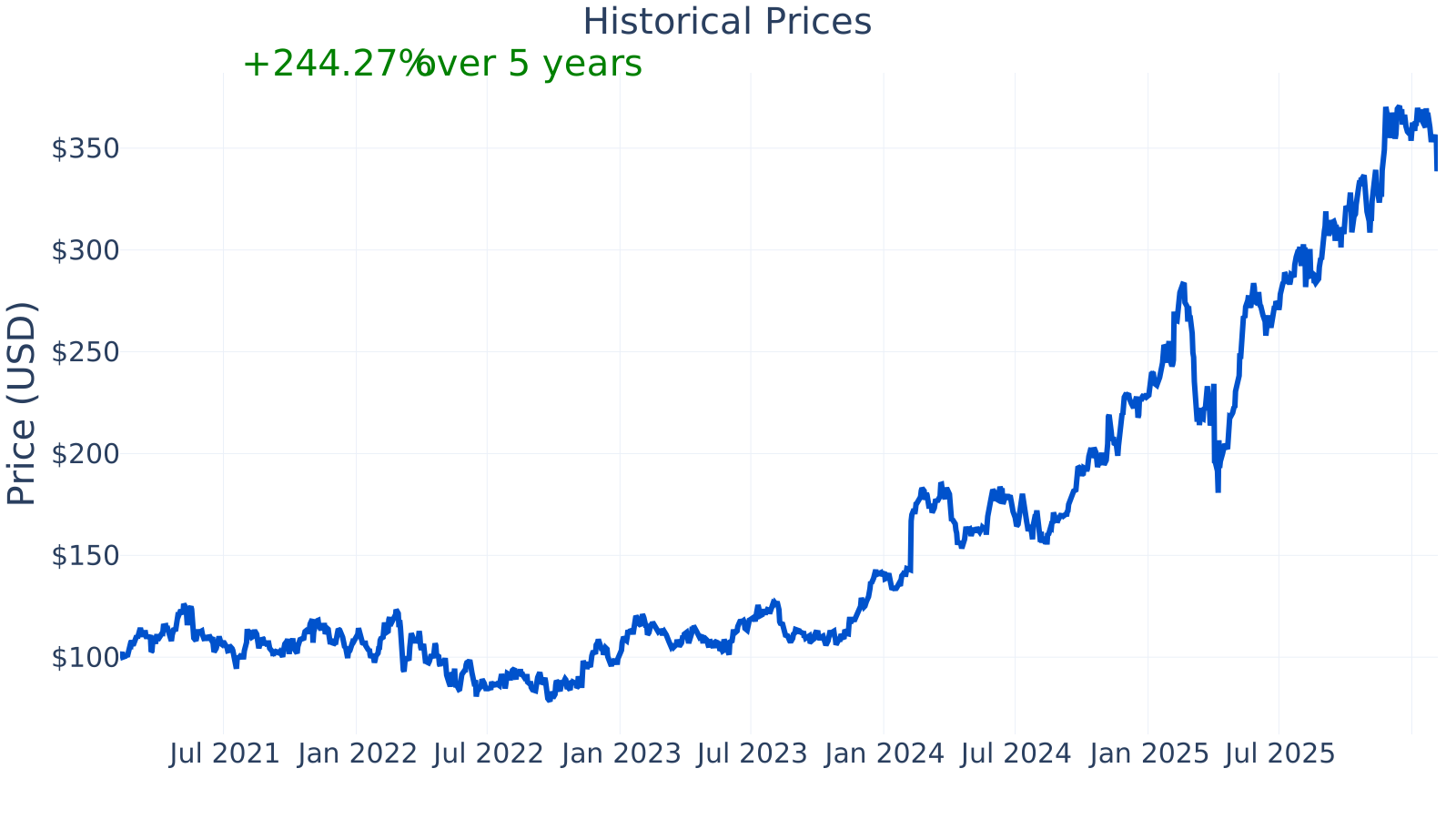
| Market Cap ⓘ | $20.79B | |
| Beta ⓘ | 1.49 | |
| Fundamental | ||
| P/E Ratio ⓘ | 23.31 | 22.80 |
| Profit Margin ⓘ | 11.73% | 4.94% |
| Revenue Growth ⓘ | 12.20% | 1.60% |
| Debt to Equity ⓘ | 98.26% | 99.72% |
| PEG ⓘ | 1.99 | |
| Free Cash Flow ⓘ | $694.50M | |
Ralph Lauren’s market capitalization is about $20.8B. The stock’s beta of ~1.49 suggests it has historically moved more than the overall market (higher volatility). The company’s P/E ratio is ~23.3, close to the industry median (~22.8). Profit margin is about 11.7%, which is notably above the industry median (~4.9%). Year-over-year revenue growth is about 12.2%, also above the industry median (~1.6%). Debt-to-equity is about 98%, roughly in line with the industry median (~100%). Trailing twelve-month free cash flow is about $695M, and the PEG ratio is about 2.0 (a valuation measure that relates P/E to expected growth).
Growth (Medium)
Ralph Lauren operates in global apparel and lifestyle goods—large, mature end markets where long-term growth often depends less on overall category expansion and more on brand strength, pricing power, product relevance, and channel execution (especially digital). In this kind of industry, companies can still grow over time by gaining market share, expanding internationally, and increasing direct-to-consumer penetration, even if the broader apparel market grows slowly.
The year-over-year revenue growth trend has varied meaningfully by quarter, including very strong growth rates earlier in the period shown and more moderate rates in other quarters. The most recent value shown is about 12.2%, which stands out versus the industry median in the table. For long-term context, it can be useful to focus on multi-year revenue progression rather than any single quarter, because apparel demand is cyclical and sensitive to consumer spending patterns.
Free cash flow (cash left after operating needs and capital spending) increased from about $273M (FY2021) to about $1.02B (FY2025), with a noticeable dip in FY2023 and a sharp rebound afterward. Sustained free cash flow matters because it can support reinvestment in the brand (marketing, stores, digital capabilities), balance sheet flexibility, and potential shareholder returns (for example, buybacks or dividends) without requiring additional borrowing.
Risks (Medium)
This article is for informational purposes only and does not constitute financial advice. Some content is AI-generated. See Disclaimer