Stock Analysis · nCino Inc (NCNO)
Overview
nCino, Inc. is a software company that sells cloud-based tools used by banks, credit unions, and other financial institutions to manage lending and account-related workflows. In simple terms, it provides software that helps financial institutions handle processes like loan origination, underwriting, and ongoing portfolio management in a more digital, standardized way. nCino markets its platform as a way to reduce manual steps, improve customer experience, and create more consistent internal processes.
The company’s business model is primarily software-as-a-service (SaaS), where customers typically pay recurring subscription fees over time. nCino also generates revenue from implementation and professional services tied to deploying its platform and supporting customers.
Main revenue sources (typical for this type of software model; exact mix can vary by period and is detailed in filings):
- Subscription revenue (recurring access to the platform)
- Professional services and other revenue (implementation, configuration, training, and support services)
Over the last several fiscal years, the company expanded revenue meaningfully, while still reporting net losses. Operating costs include ongoing investment in research and development and sales/administrative functions, which are common expense categories for a growing software vendor selling to large institutions.
Across the periods shown, total revenue increased substantially (from about $273.9M in fiscal 2022 to about $540.7M in fiscal 2025), and gross profit rose as well. At the same time, operating income stayed negative, reflecting continued spending on research and development and on sales and administrative functions while the company scales.
Key Figures
| Metric | Value | Industry ⓘ |
|---|---|---|
| Date | Feb 08, 2026 | |
| Context | ||
| Sector | Technology | |
| Industry | Software - Application | |
| Market Cap ⓘ | $2.10B | |
| Beta ⓘ | 0.56 | |
| Fundamental | ||
| P/E Ratio ⓘ | N/A | 27.79 |
| Profit Margin ⓘ | -3.71% | 6.02% |
| Revenue Growth ⓘ | 9.60% | 15.80% |
| Debt to Equity ⓘ | 25.86% | 25.15% |
| PEG ⓘ | N/A | |
| Free Cash Flow ⓘ | $59.72M | |
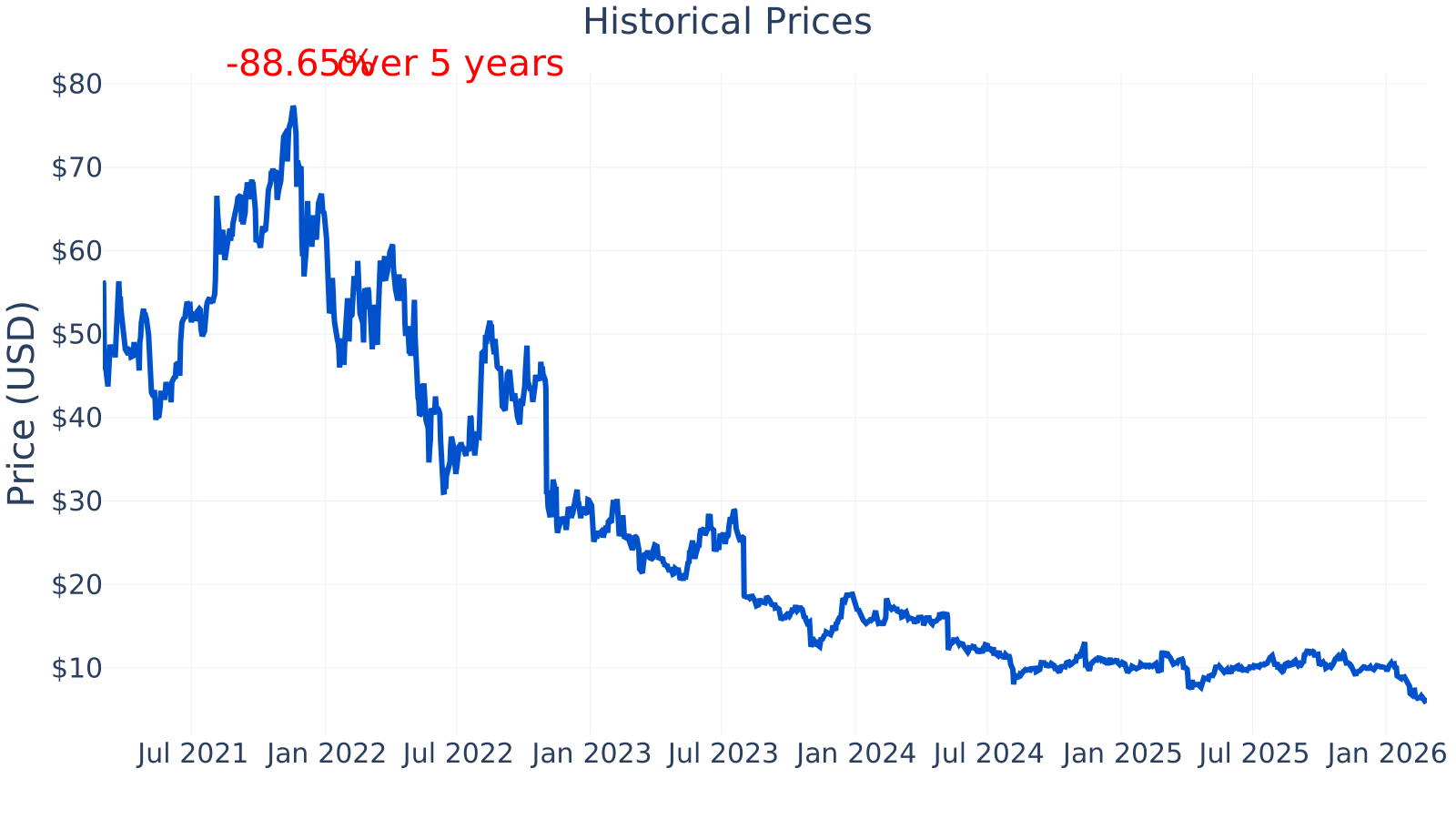
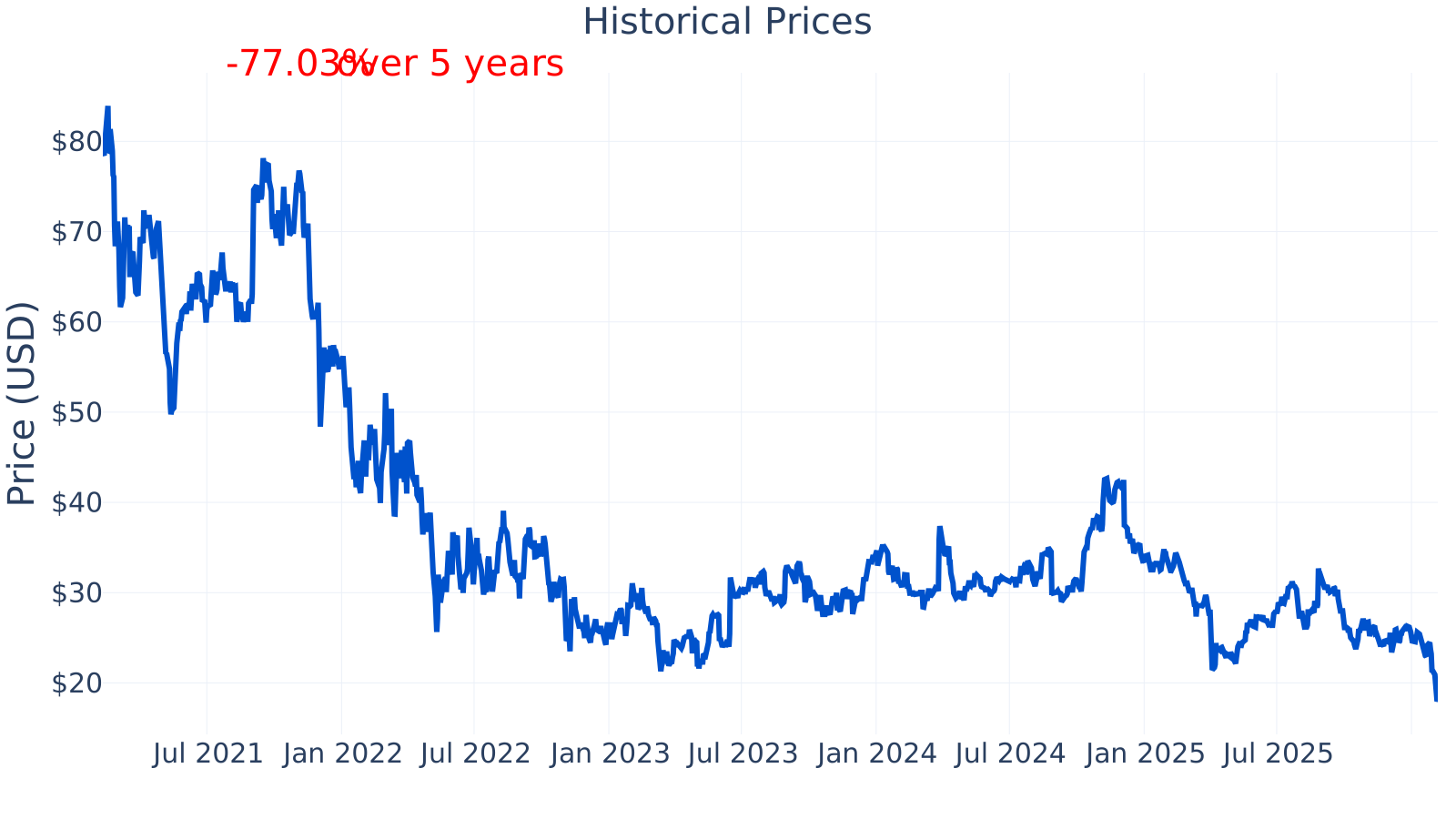
nCino’s market capitalization is about $2.10B, placing it among smaller publicly traded software companies. The stock’s beta of ~0.56 suggests it has historically moved less than the overall market on average (though single-stock risk can still be significant). Profitability remains a key point: the latest profit margin is about -3.7%, versus an industry median around +6.0%. Recent year-over-year revenue growth is ~9.6%, below the industry median of roughly 15.8%. Leverage appears moderate with debt-to-equity around 25.9%, close to the industry median (~25.2%). The company also shows positive trailing twelve-month free cash flow of about $59.7M, which can matter for funding operations without relying as heavily on external capital.
Growth (Medium)
nCino operates in the broader financial technology and enterprise software landscape, where long-term demand is supported by banks continuing to modernize legacy systems, improve digital customer experiences, and automate internal workflows. That said, adoption cycles in banking can be slow because implementations are complex, budgets can be conservative, and regulatory/compliance requirements are strict.
The company’s strategy—selling a platform model to financial institutions and expanding relationships over time—fits the typical SaaS growth playbook. Growth catalysts generally come from adding new customers, increasing usage and modules among existing customers, and benefiting from industry modernization trends. However, the pace of growth matters: as companies mature, investors often watch whether revenue growth remains strong enough to offset continued investment spending.
The chart shows that growth was much higher earlier in the period (often well above 30% and at times above 50%), but it has trended down over time to around 9.6% most recently. This slowdown can be important context because valuation, hiring plans, and the path to profitability often depend on the expected growth rate.
Free cash flow moved from negative levels in fiscal 2022 and fiscal 2023 to positive levels by fiscal 2024 and fiscal 2025 (roughly $53–$53M in those years, and about $59.7M on a trailing basis). Positive free cash flow can improve financial flexibility, but it does not automatically mean the business is profitable on a net income basis.
Risks (High)
This article is for informational purposes only and does not constitute financial advice. Some content is AI-generated. See Disclaimer