Stock Analysis · N-Able Inc (NABL)
Overview
N-able, Inc. is a software company focused on tools that help IT service providers manage and secure their customers’ technology. In simple terms, it sells software that supports day-to-day “behind the scenes” work such as monitoring computers and networks, deploying updates, backing up data, and improving cybersecurity. A key part of its positioning is serving managed service providers (MSPs), which are businesses that run IT operations for other organizations (often small and mid-sized companies).
The company’s products are commonly delivered as cloud-based subscriptions, which typically means customers pay recurring fees to keep using the platform and receiving updates. This business model tends to create revenue that renews over time, but it also means results can be sensitive to customer retention and the pace of new customer sign-ups.
Based on its public filings, N-able’s revenue is primarily tied to subscription software and related services, with a meaningful portion associated with maintenance/support and other recurring arrangements. Public filings often describe revenue in categories such as subscriptions and other recurring revenue versus services; exact mix percentages can vary by period and reporting format, and may not always be presented as a single clean split across all product lines.
Main revenue sources (high-level):
- Subscription / recurring software revenue (typically the largest component)
- Maintenance and support / recurring platform-related revenue
- Professional services and other services (generally smaller and more variable)
Over the years shown, total revenue rises (from about $346M in 2021 to about $495M in 2025), while research and development and sales/administration expenses also increase. Net income is positive in 2022–2024, then turns negative in 2025 (about -$17M), which suggests that higher costs and/or other items (such as interest expense) outweighed the year’s gross profit and operating performance.
Key Figures
| Metric | Value | Industry ⓘ |
|---|---|---|
| Date | Feb 23, 2026 | |
| Context | ||
| Sector | Technology | |
| Industry | Information Technology Services | |
| Market Cap ⓘ | $890.58M | |
| Beta ⓘ | 0.60 | |
| Fundamental | ||
| P/E Ratio ⓘ | N/A | 19.56 |
| Profit Margin ⓘ | -3.33% | 4.91% |
| Revenue Growth ⓘ | 11.80% | 5.70% |
| Debt to Equity ⓘ | 5.03% | 78.25% |
| PEG ⓘ | N/A | |
| Free Cash Flow ⓘ | $73.69M | |
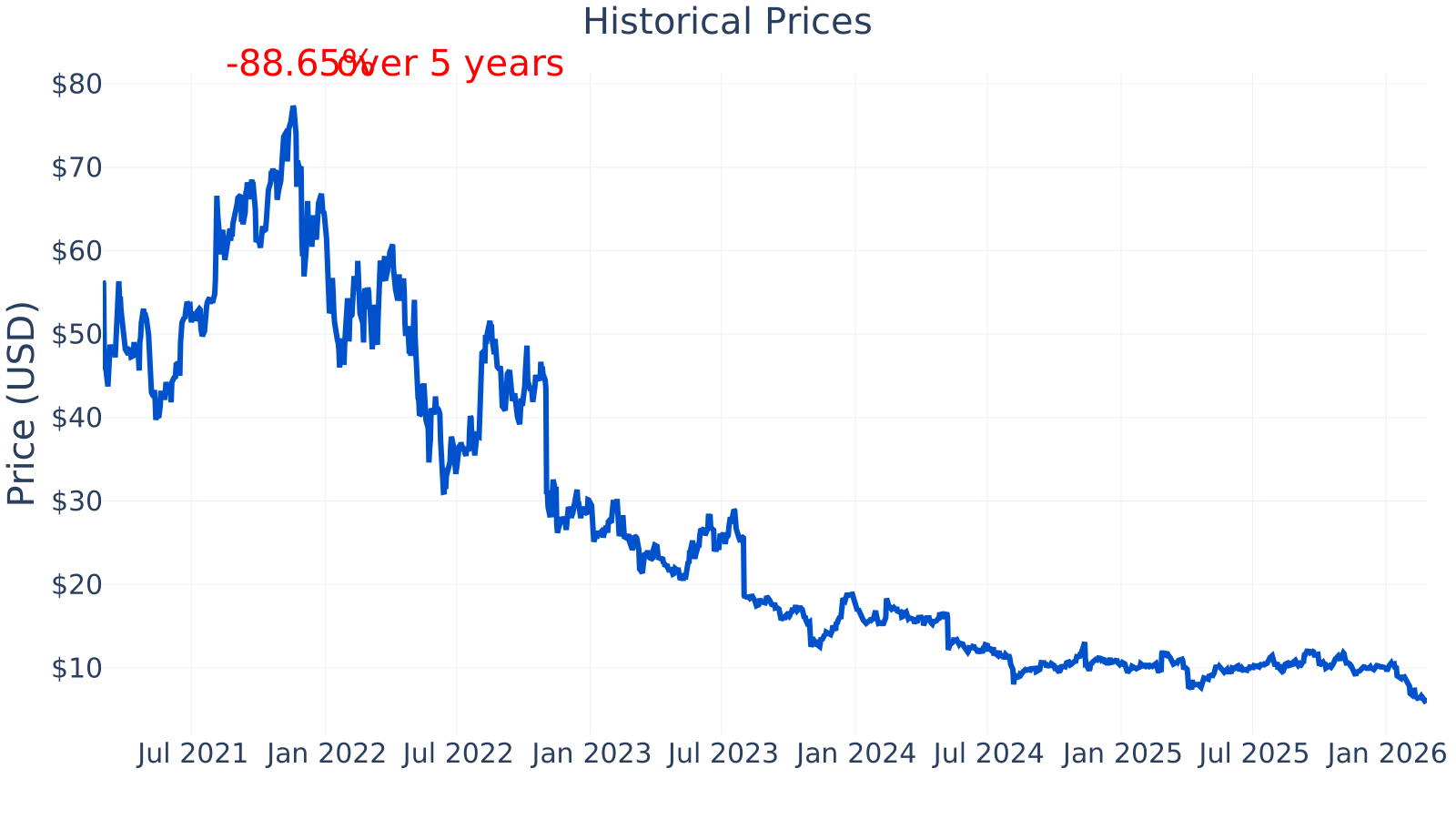
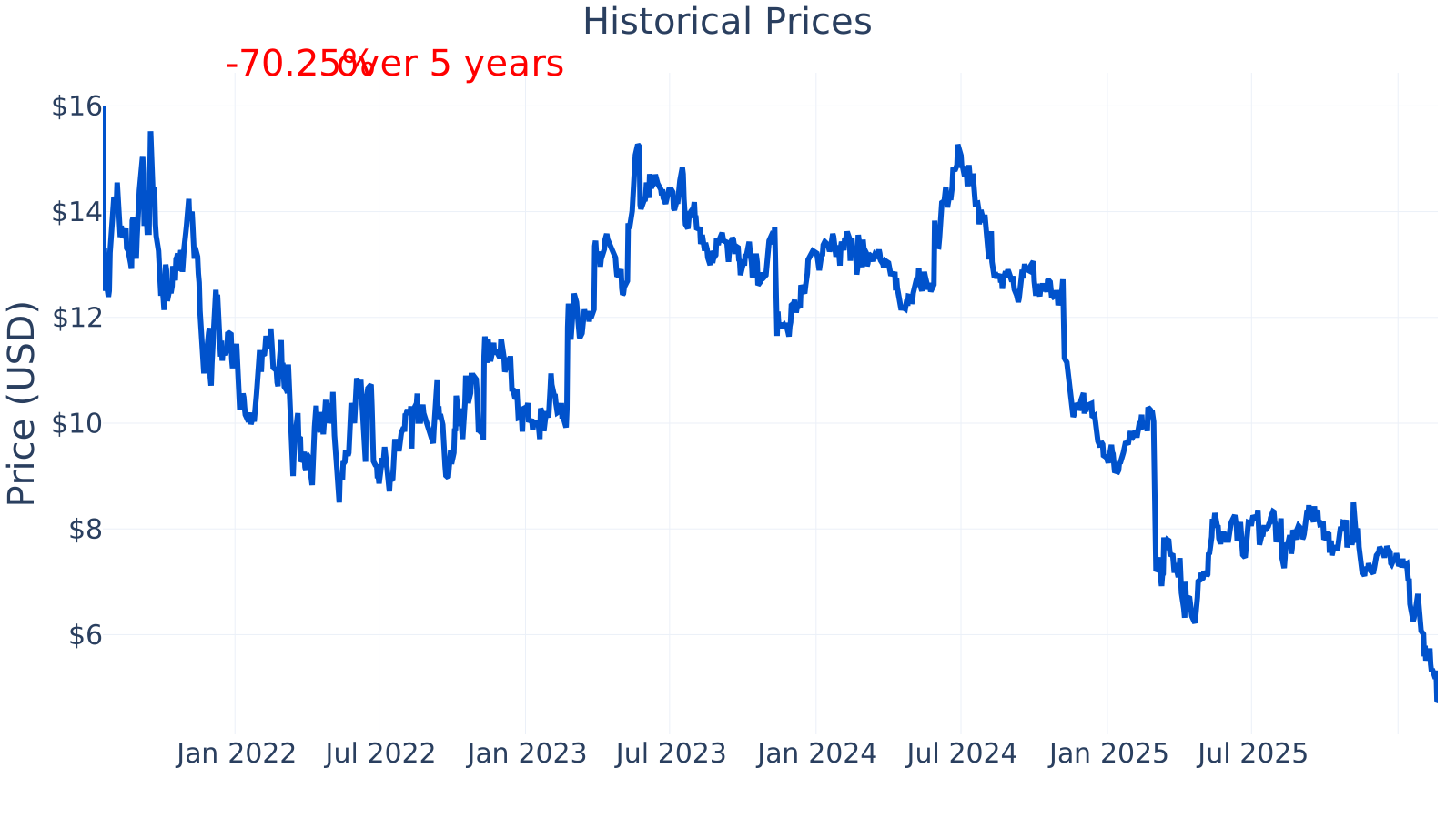
N-able’s market capitalization is about $0.89B, placing it in the small-cap range. The stock’s beta of ~0.60 indicates it has historically moved less than the broader market on average (though any single stock can still be volatile). Recent profitability is a notable point: the latest profit margin is about -3.33% versus an industry median near 4.91%, indicating the company is currently less profitable than many peers on this measure.
On growth, the latest year-over-year revenue growth shown is ~11.8%, above the industry median of ~5.7% in the table. Leverage appears modest on the latest snapshot: debt-to-equity is ~5% versus an industry median near 78%. Free cash flow over the trailing twelve months is shown at roughly $73.7M, which can matter for flexibility (funding product development, acquisitions, debt reduction, or other corporate needs).
Growth (medium)
N-able operates in the IT management and cybersecurity software ecosystem, where demand is influenced by long-running trends: more cloud usage, more devices to manage, and a persistent need for security and reliable backup. MSPs and similar IT providers often look for platforms that help them manage many customer environments efficiently, which can support ongoing demand for automation, monitoring, and security tooling.
The company’s strategy—selling recurring software to service providers who, in turn, serve many end customers—can scale if partners add end clients or expand the number of tools they use. In this model, future growth is often tied to (1) retaining partners, (2) expanding usage within existing partners, and (3) continuing to release products that reduce workload and improve security outcomes.
The year-over-year revenue growth trend shown is positive for most quarters, but it is not perfectly steady and includes a recent negative quarter (about -2.6% in 2025-09-30). That kind of slowdown can happen for several reasons (customer budget pressure, higher churn, pricing changes, or a mix shift), and it can be important because subscription businesses often rely on consistent renewals and expansions to sustain growth.
Free cash flow over time trends upward in the period shown (from roughly $11.2M at the end of 2021 to roughly $71.2M by early 2025, and about $73.7M on the latest metric snapshot). Sustained free cash flow can support continued investment in product development and operations, even when accounting profits fluctuate.
Risks (high)
This article is for informational purposes only and does not constitute financial advice. Some content is AI-generated. See Disclaimer