Stock Analysis · MGM Resorts International (MGM)
Overview
MGM Resorts International is a hospitality and entertainment company best known for operating large, integrated resorts. These properties combine hotel rooms, casinos, restaurants, entertainment venues, nightlife, and convention space. MGM also participates in digital gaming through its BetMGM joint venture (sports betting and online casino), alongside other strategic investments tied to gaming and resort development.
Its business model is built around generating spending per visitor across multiple on-site activities (lodging, gaming, food and beverage, shows, and retail), while using well-known brands and loyalty programs to drive repeat visits and direct bookings.
In its SEC filings, MGM reports revenue by operating segment. In recent filings, the main segments are typically:
- Las Vegas Strip Resorts (integrated resorts on the Las Vegas Strip; a major driver of hotel, casino, entertainment, and convention revenue)
- Regional Operations (U.S. casinos and resorts outside the Las Vegas Strip, which can help diversify demand across geographies)
- MGM China (equity income exposure to Macau operations through MGM China; accounting presentation differs from consolidated resort revenue)
- BetMGM (online sports betting and iGaming exposure through a joint venture; the way it appears in the financial statements depends on accounting treatment)
Because segment shares can shift year to year and depend on accounting presentation, exact percentages should be taken directly from the latest annual report segment note when finalizing an investor-facing breakdown.
Across the period shown, total revenue rises meaningfully, but profitability is more uneven: operating income and net income fluctuate and become much smaller in the most recent year shown. Interest expense remains a recurring cost, which matters for a business that uses significant leverage to finance and operate large properties.
Key Figures
| Metric | Value | Industry ⓘ |
|---|---|---|
| Date | Feb 16, 2026 | |
| Context | ||
| Sector | Consumer Cyclical | |
| Industry | Resorts & Casinos | |
| Market Cap ⓘ | $9.34B | |
| Beta ⓘ | 1.40 | |
| Fundamental | ||
| P/E Ratio ⓘ | 44.92 | 20.24 |
| Profit Margin ⓘ | 1.17% | 4.87% |
| Revenue Growth ⓘ | 6.00% | 3.65% |
| Debt to Equity ⓘ | 2311.01% | 548.08% |
| PEG ⓘ | 1.56 | |
| Free Cash Flow ⓘ | $1.46B | |
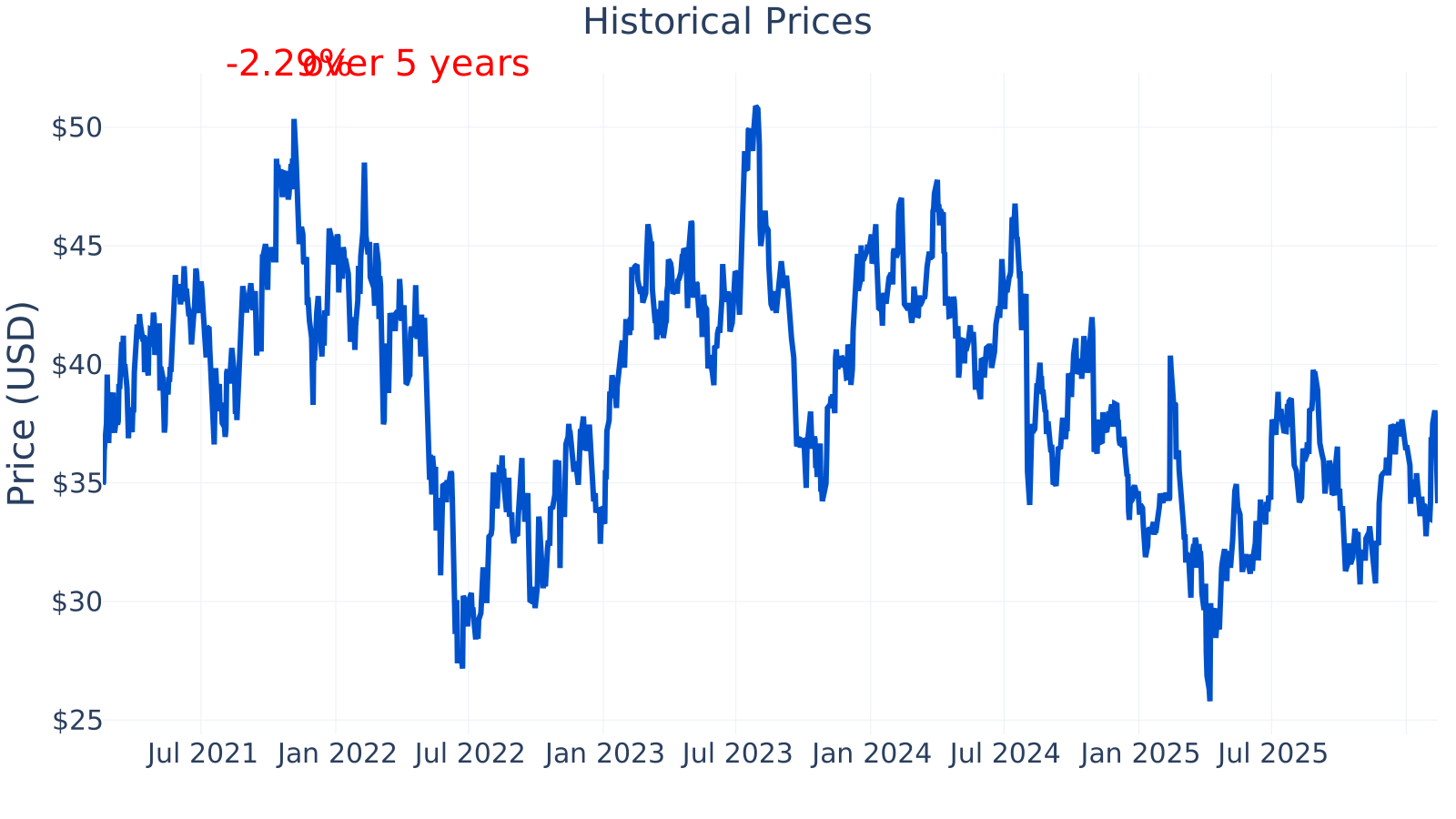
MGM’s market capitalization is about $9.34B. The stock’s beta of 1.40 indicates it has historically moved more than the overall market, which can translate into larger swings during economic optimism or stress.
On valuation and profitability, the latest P/E ratio is 44.92 versus an industry median of 20.24, while the latest profit margin is ~1.17% versus an industry median of ~4.87%. Revenue growth year over year is ~6.0% versus an industry median of ~3.65%. Leverage stands out: debt-to-equity is ~2311% compared with an industry median of ~548%. Trailing twelve-month free cash flow is about $1.46B, and the PEG ratio is 1.56 (a metric that relates valuation to expected growth assumptions).
Growth (Medium)
The resorts and casinos industry tends to grow with travel demand, convention activity, consumer spending, and—depending on jurisdiction—regulatory expansion of gaming. For MGM, growth is closely tied to visitation trends in key destinations (especially Las Vegas) and the steadiness of regional gaming markets. Conventions and group travel can be particularly important because they support midweek occupancy and spending across restaurants and entertainment.
A second growth vector is online gaming through BetMGM. Digital wagering can expand the addressable market beyond physical resort footprints, although it is also typically a heavy marketing and technology spend area and profitability can take time to develop.
The year-over-year revenue growth shown is volatile, with very high growth rates earlier in the period (consistent with recovery dynamics) and more modest growth more recently, including a brief dip into negative territory before returning to a positive rate (about 6% in the latest point shown). This pattern suggests that, after a rebound phase, growth may be more dependent on market share gains, higher spend per visitor, and disciplined cost control rather than purely cyclical recovery.
Free cash flow is positive in the more recent years displayed and sits around $1.46B on a trailing basis, after a large negative figure earlier in the timeline. For a capital-intensive resort operator, sustained free cash flow is important because it helps fund renovations, new development commitments, technology investment, and debt service without relying solely on new borrowing.
Risks (High)
This article is for informational purposes only and does not constitute financial advice. Some content is AI-generated. See Disclaimer


