Stock Analysis · Life360 Inc (LIF)
Overview
Life360 Inc is a technology company best known for its “family safety” mobile app. The service helps people share location with trusted contacts and provides safety-related features such as location alerts and emergency-focused tools. The company’s model is largely subscription-based, aiming to convert free users to paid plans and keep them subscribed over time.
In its filings, Life360 describes revenue primarily coming from subscriptions sold through mobile app stores (and directly), with additional revenue streams tied to advertising and partnerships. A simple way to think about the business is: a large user base supports a smaller paying user base, and recurring subscription fees are designed to scale as the user community grows.
Main revenue sources (largest to smallest, as described in company filings; exact percentages can vary by period):
- Subscriptions (paid memberships and premium features)
- Other revenue (which can include advertising and partner-related revenue, depending on the period and the company’s definitions)
Across recent years, total revenue expanded materially (from about $112.6M in 2021 to about $371.5M in 2024), while operating losses narrowed significantly by 2024. The cost structure still shows meaningful ongoing spending in research & development and in sales/marketing and administration, which is common for app-based subscription businesses focused on growing and retaining a user base.
Key Figures
| Metric | Value | Industry ⓘ |
|---|---|---|
| Date | Feb 08, 2026 | |
| Context | ||
| Sector | Technology | |
| Industry | Software - Application | |
| Market Cap ⓘ | $4.27B | |
| Beta ⓘ | 1.07 | |
| Fundamental | ||
| P/E Ratio ⓘ | 147.05 | 27.79 |
| Profit Margin ⓘ | 6.47% | 6.02% |
| Revenue Growth ⓘ | 34.10% | 15.80% |
| Debt to Equity ⓘ | 79.17% | 25.15% |
| PEG ⓘ | N/A | |
| Free Cash Flow ⓘ | $56.21M | |
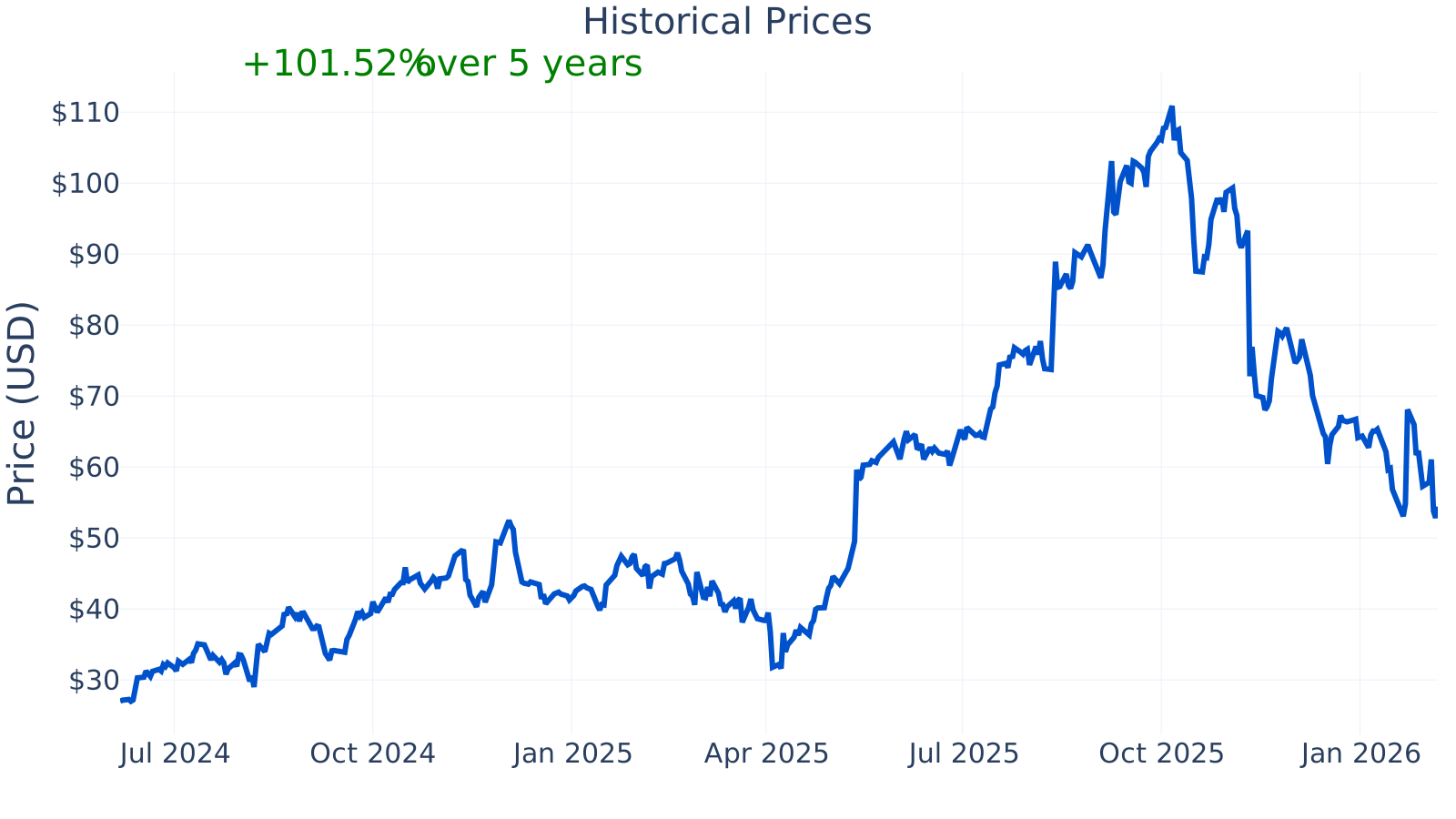
Life360’s market capitalization is about $4.27B, and the stock’s beta is about 1.07, which is close to overall market volatility. The latest profit margin is about 6.47%, slightly above the industry median shown (about 6.03%), and revenue growth year over year is about 34.1%, above the industry median shown (about 15.8%). Debt-to-equity is about 79%, which is higher than the industry median shown (about 25%). The P/E ratio is about 147, well above the industry median shown (about 27.8), which implies the market price embeds substantial expectations for continued growth and improving profitability.
Growth (medium)
Life360 operates in a segment shaped by a few durable trends: families using smartphones as a primary way to coordinate daily life, a steady consumer focus on personal safety features, and recurring-revenue app subscriptions becoming a familiar purchasing habit. If the company continues expanding its paying subscriber base and reduces churn (customers leaving), a subscription model can compound revenue over time without requiring equal growth in costs.
The revenue growth shown is consistently strong (roughly in the low-to-mid 30% range across the periods displayed). For a consumer subscription app, sustaining that pace typically depends on continued user growth, successful conversion from free to paid plans, and keeping existing subscribers engaged.
Free cash flow (a rough measure of cash generated after operating needs and capital spending) is positive in the periods shown and rising (from about $27.5M to about $28.4M on a trailing-twelve-month basis). Positive and improving cash generation can matter for long-term resilience because it may reduce reliance on outside financing.
Potential catalysts that can influence longer-term growth—based on how this type of product typically scales—include deeper feature bundles that justify higher-priced tiers, partnerships that expand distribution, and improvements in retention that lift lifetime value per subscriber. The company’s filings and shareholder communications provide the most reliable place to track whether these efforts translate into higher subscription revenue and improving operating leverage over time.
Risks (high)
This article is for informational purposes only and does not constitute financial advice. Some content is AI-generated. See Disclaimer