Stock Analysis · Life Time Group Holdings Inc (LTH)
Overview
Life Time Group Holdings Inc (LTH) operates a network of athletic country clubs in the United States. In simple terms, it runs large, multi-purpose fitness centers that combine a traditional gym with group classes, personal training, pools, courts (such as basketball, pickleball, or tennis depending on the location), spa-like amenities, and family-oriented offerings (including kids programs at many clubs). The company’s model is built around recurring memberships, supported by additional spending inside the clubs.
Across its filings, Life Time describes revenue that is primarily tied to access (memberships) plus in-club services and products. While the exact mix can vary by year and disclosure format, the main revenue streams typically include:
- Membership dues (recurring access fees)
- In-center services (examples often include personal training and similar programs)
- In-center products and other revenue (examples often include café/food & beverage, retail, and other club-related items)
The company has shown a visible shift in its income statement from heavy losses to sustained profitability in more recent years, suggesting a more mature operating profile than in the immediate post-IPO period.
From 2021 to 2024, total revenue increased from about $1.32B to about $2.62B, while operating results moved from a large operating loss (2021) to a solid operating profit (2022–2024). A notable ongoing cost line is interest expense, which remained significant (roughly $148M in 2024), reflecting the company’s reliance on debt financing.
Key Figures
| Metric | Value | Industry ⓘ |
|---|---|---|
| Date | Feb 08, 2026 | |
| Context | ||
| Sector | Consumer Cyclical | |
| Industry | Leisure | |
| Market Cap ⓘ | $6.58B | |
| Beta ⓘ | 1.68 | |
| Fundamental | ||
| P/E Ratio ⓘ | 23.30 | 27.52 |
| Profit Margin ⓘ | 9.88% | 7.90% |
| Revenue Growth ⓘ | 12.90% | 6.00% |
| Debt to Equity ⓘ | 138.18% | 33.08% |
| PEG ⓘ | N/A | |
| Free Cash Flow ⓘ | $70.50M | |
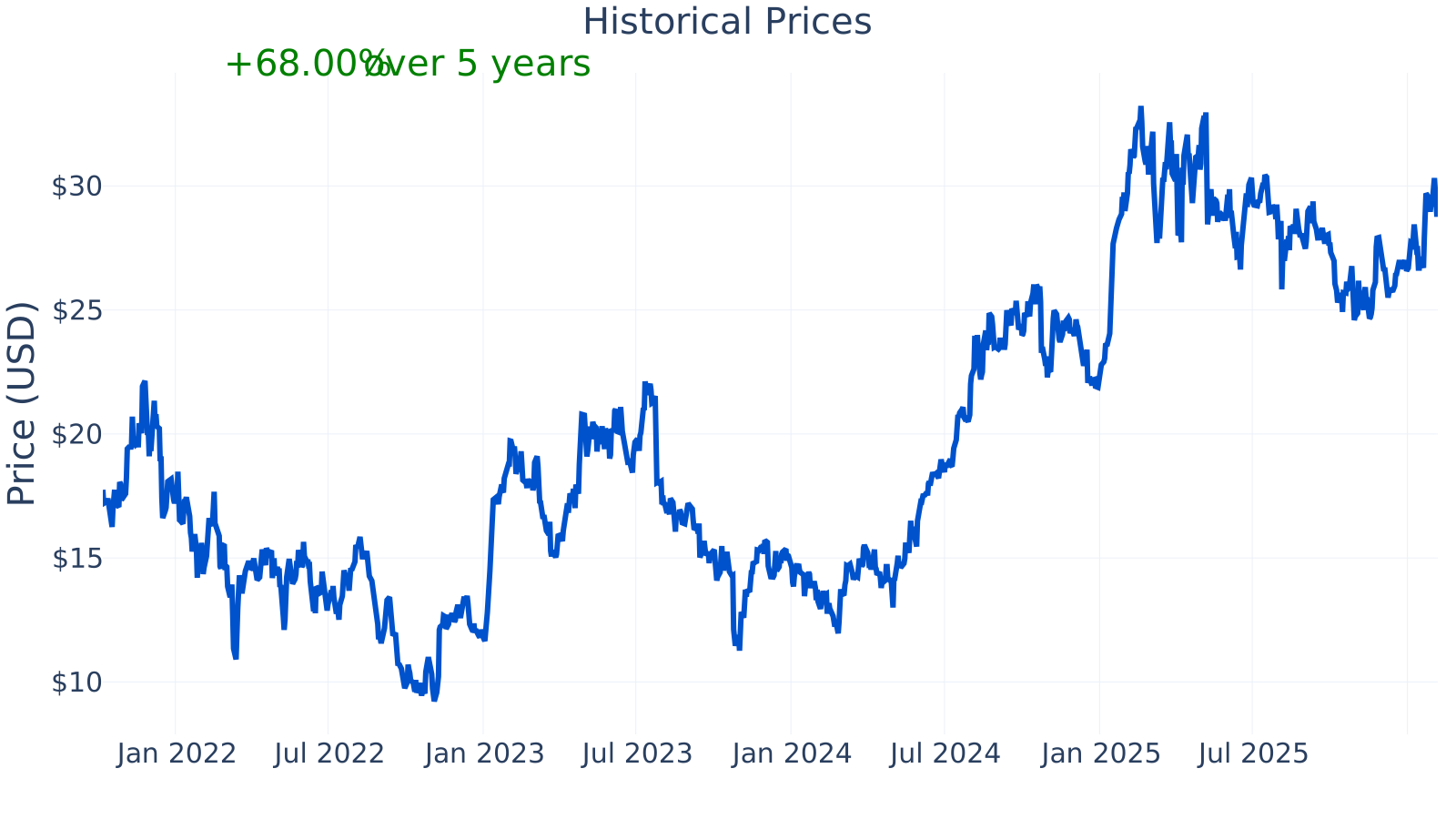
At the latest snapshot, Life Time’s market capitalization is about $6.58B. The stock’s beta of 1.68 indicates it has tended to move more than the broader market (higher volatility). Profitability and growth metrics look comparatively strong versus the industry median: profit margin ~9.88% versus ~7.90% for the industry median, and year-over-year revenue growth ~12.9% versus an industry median of ~6.0%. The main metric that stands out on the risk side is leverage: debt-to-equity ~138% versus an industry median around ~33%.
Growth (medium)
Life Time operates in the broader fitness and leisure space, where demand is influenced by long-term lifestyle trends (health, wellness, and experience-based spending) but also by the economic cycle. Gyms and premium clubs can see stronger interest when consumers feel financially secure, and more pressure when budgets tighten. Within that environment, Life Time positions itself at the higher end of the market, aiming to differentiate on amenities and the breadth of services offered under one roof.
A practical growth engine for this business is the combination of (1) opening or ramping new clubs and (2) improving performance at existing locations through higher membership levels, better retention, and higher in-club spending. The company’s recent financial trajectory also matters for growth: improving profitability can create more internal capacity to reinvest in new locations and upgrades.
Revenue growth has remained positive but has moderated from very high levels earlier in the period (when comparisons were easier) toward more “normalizing” rates. The latest year-over-year revenue growth shown is about 12.9%, which is still above the industry median (about 6.0%), but lower than the elevated growth rates seen in 2021–2022.
Free cash flow (cash left after operating needs and capital spending) has moved from negative levels for several years to positive more recently (about $158M at the latest point shown). For a club operator that often invests heavily in new locations and renovations, this shift can be meaningful: it suggests the business may be generating enough cash to fund more of its needs internally, though results can vary based on how aggressive expansion spending is in any given period.
Risks (medium-high)
This article is for informational purposes only and does not constitute financial advice. Some content is AI-generated. See Disclaimer