Stock Analysis · Formula One Group (FWONB)
Overview
Formula One Group (FWONB) is the business behind the FIA Formula One World Championship. In practical terms, it commercializes the sport: it organizes and promotes the racing series and sells the rights that allow broadcasters, sponsors, and race promoters to monetize the events. The company’s model is built around long-term contracts and global distribution, with a calendar of races that creates recurring demand for media content and on-site experiences.
In its reporting, Formula One typically describes three main revenue streams:
- Primary (largest): Race promotion fees paid by hosts/promoters to stage Grand Prix events (often structured as multi-year agreements).
- Primary: Media rights from broadcasting and streaming agreements across countries/regions.
- Primary: Sponsorship and related commercial partnerships (including trackside advertising and series-level sponsors).
The business is often described as asset-light compared with many entertainment models: it does not need to build stadiums globally, but it does carry meaningful operating costs to run events and produce a premium broadcast product.
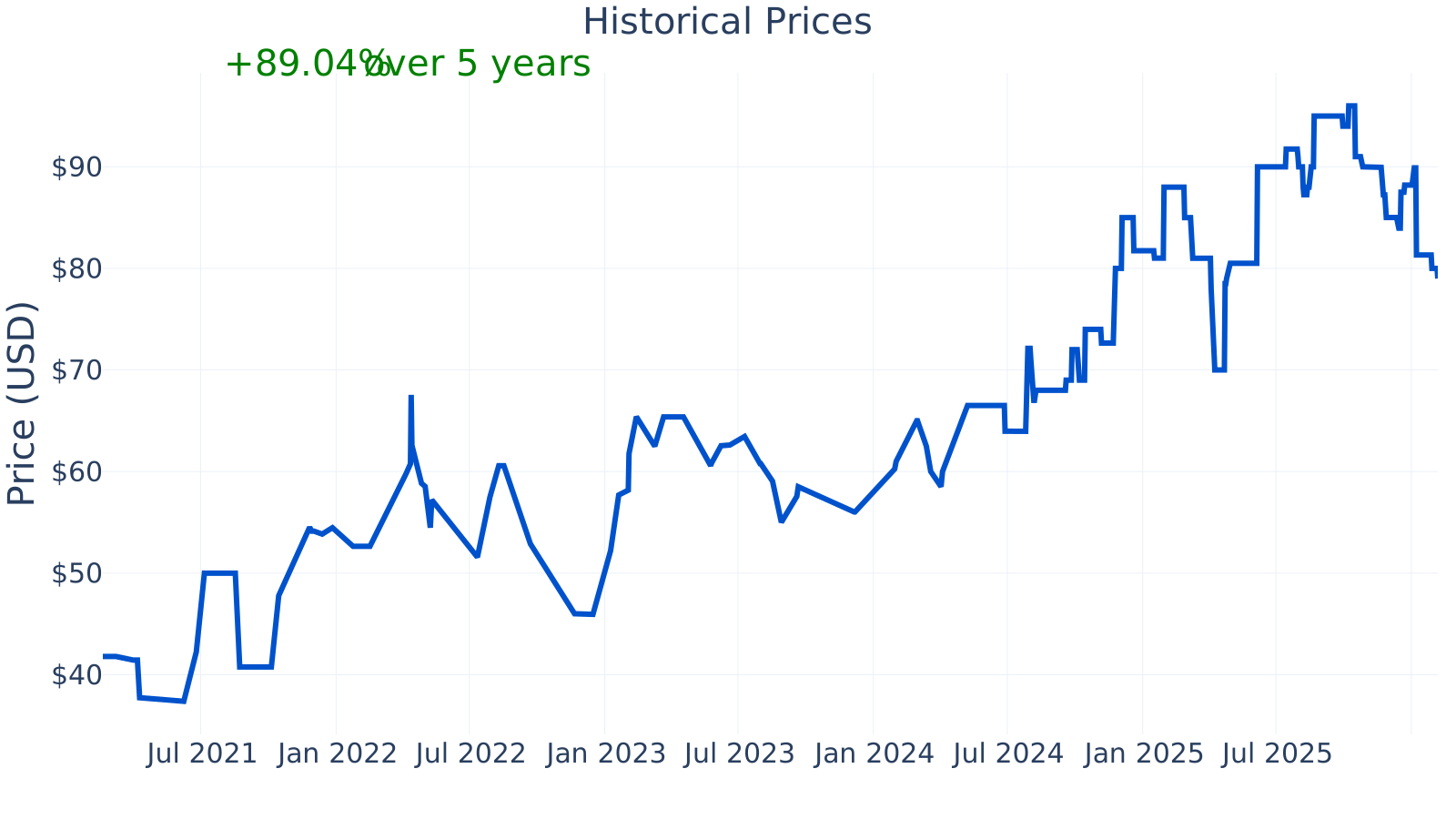
From 2021 to 2024, total revenue increased from about $2.14B to about $3.65B. Over the same period, operating income rose versus 2021 but did not move in a straight line, and net income was volatile (positive in 2022 and 2023, slightly negative in 2024). Interest expense remained material (roughly $123M–$214M per year in the period shown), which can meaningfully influence bottom-line results.
Key Figures
| Metric | Value | Industry ⓘ |
|---|---|---|
| Date | Feb 08, 2026 | |
| Context | ||
| Sector | Communication Services | |
| Industry | Entertainment | |
| Market Cap ⓘ | $21.71B | |
| Beta ⓘ | 0.71 | |
| Fundamental | ||
| P/E Ratio ⓘ | N/A | 50.96 |
| Profit Margin ⓘ | 5.50% | 4.93% |
| Revenue Growth ⓘ | 19.10% | 5.20% |
| Debt to Equity ⓘ | 65.10% | 74.97% |
| PEG ⓘ | 3.65 | |
| Free Cash Flow ⓘ | $1.25B | |
Based on the latest metrics shown: the company’s market capitalization is about $21.7B, and the stock’s beta of 0.71 suggests it has historically moved less than the broader market on average (beta is a backward-looking measure). The profit margin is about 5.5% versus an industry median near 4.9%. Year-over-year revenue growth is about 19.1% versus an industry median near 5.2%. Debt-to-equity is about 65%, below the industry median near 75%. Free cash flow over the trailing twelve months is about $1.25B. The PEG ratio shown (3.649) is a reminder that valuation can look demanding if growth expectations cool.
Growth (Medium)
Formula One sits within global sports and live entertainment—an area supported by ongoing demand for premium, must-watch content. Top-tier live sports can be especially valuable because audiences tend to watch in real time, which supports both advertising and subscription models for media partners. That said, growth is not guaranteed: it depends on the ability to sustain fan engagement, maintain a strong race calendar, and renew commercial agreements at favorable terms.
A key element of the strategy is expanding and deepening monetization across multiple channels: long-term media agreements, multi-year race-hosting contracts, and sponsorship packages. The company also benefits from global reach (multiple geographies, multiple time zones) that can diversify demand compared with a sport concentrated in one country.
Revenue growth has been volatile quarter to quarter, with several very strong periods (including elevated growth rates in 2024) and some negative year-over-year quarters. The most recent figure shown is about 19.1% year over year, which is higher than the industry median in the same comparison set.
Free cash flow improved substantially across the period shown: from roughly -$113M (TTM, 2021) to about $1.13B (TTM, 2025-03-31) and about $1.25B in the latest metric snapshot. For a business that must continually invest in event operations and content production, stronger free cash flow can increase financial flexibility (for example, reinvestment, debt reduction, or other corporate purposes).
Potential catalysts (in a neutral, factual sense) typically come from contract renewals and new deals: media rights agreements, sponsorship renewals, and additions/changes to the race calendar. Because these agreements can be large and multi-year, outcomes can have an outsized impact on future results.
Risks (Medium-High)
This article is for informational purposes only and does not constitute financial advice. Some content is AI-generated. See Disclaimer