Stock Analysis · Leggett & Platt Incorporated (LEG)
Overview
Leggett & Platt Incorporated is a manufacturer of engineered components used mostly in everyday “comfort” and home-related products. Its parts are typically not sold directly to consumers; instead, they are built into finished goods made by other companies. Examples include mattress and furniture components, specialty foam and textiles, and certain components used in vehicles.
The business is tied to end-markets like bedding, home furnishings, and automotive production. That means results can move up and down with consumer spending, housing-related demand, and industrial cycles. In recent years, results have also reflected internal actions described in company filings such as portfolio adjustments, restructuring activities, and efforts to manage costs and inventory levels.
Main revenue streams generally come from these areas (company reporting categories can change over time):
- Bedding-related components (mattress springs/innersprings and other mattress components)
- Specialized foam, fabrics, and related materials used in bedding and furniture
- Furniture, flooring, and other home-related components
- Automotive components (selected engineered components used by vehicle manufacturers and suppliers)
Exact percentages by segment can vary by year and depend on how the company groups businesses in its filings.
From 2021 to 2024, total revenue trended downward (about $5.07B in 2021 to about $4.38B in 2024). Over the same period, profitability weakened materially: operating income moved from positive (2021–2022) to negative (2023–2024), and net income also turned negative (notably in 2024). This points to a challenging operating environment and/or significant charges that affected reported earnings.
Key Figures
| Metric | Value | Industry ⓘ |
|---|---|---|
| Date | Feb 13, 2026 | |
| Context | ||
| Sector | Consumer Cyclical | |
| Industry | Furnishings, Fixtures & Appliances | |
| Market Cap ⓘ | $1.55B | |
| Beta ⓘ | 0.73 | |
| Fundamental | ||
| P/E Ratio ⓘ | 6.78 | 18.82 |
| Profit Margin ⓘ | 5.81% | 4.29% |
| Revenue Growth ⓘ | -11.20% | 0.30% |
| Debt to Equity ⓘ | 156.75% | 77.79% |
| PEG ⓘ | -4.11 | |
| Free Cash Flow ⓘ | $279.60M | |
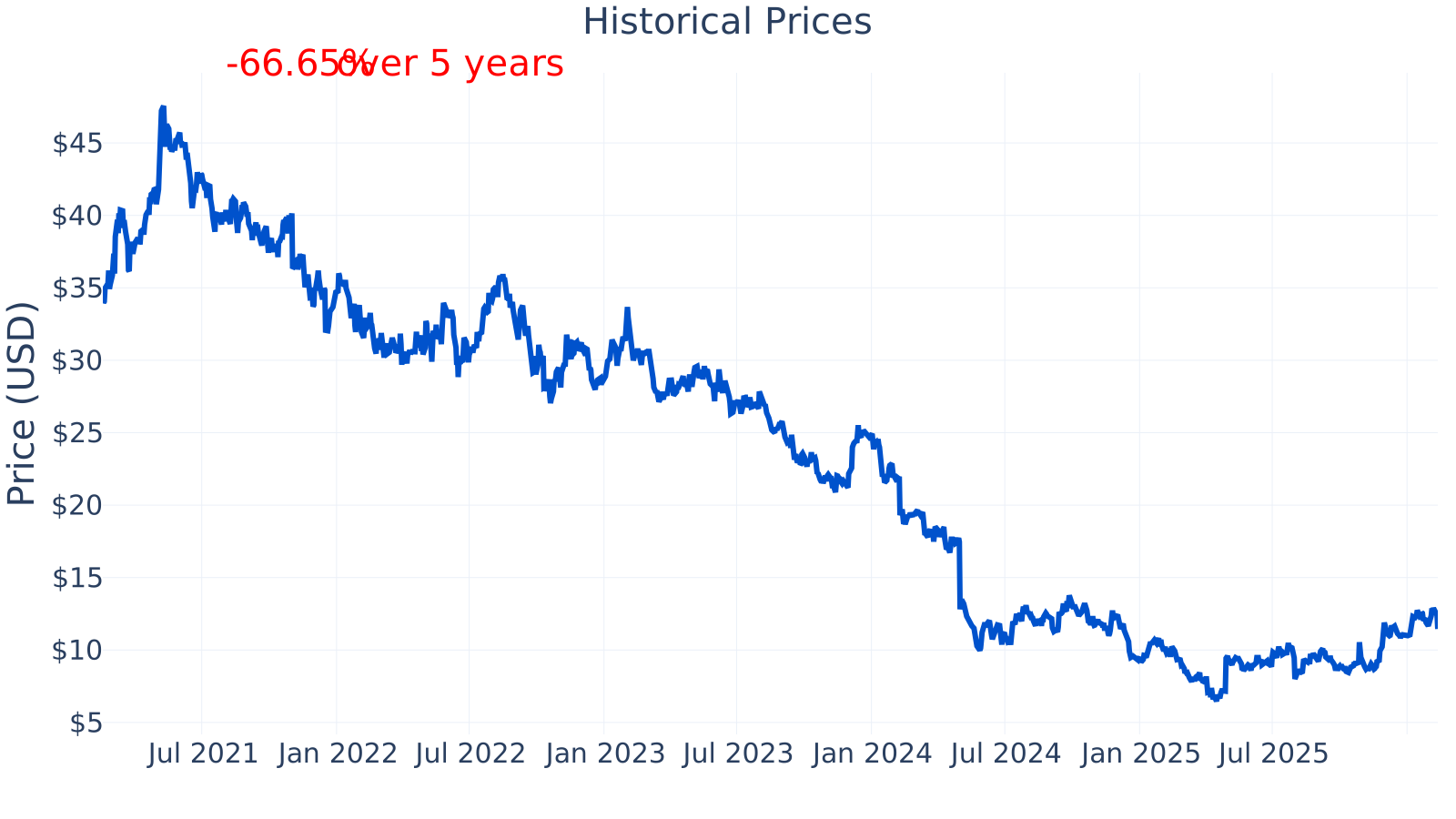
Leggett & Platt’s market capitalization is about $1.55B and the stock’s beta is ~0.73, which indicates it has historically moved less than the broader market on average (though individual periods can differ). The latest P/E ratio is ~6.8, which is below the industry median shown (~18.8), while the latest profit margin is ~5.8% versus an industry median of ~4.3%. At the same time, the latest year-over-year revenue growth is about -11.2% compared with an industry median near flat (~0.3%). Leverage is elevated: debt-to-equity is ~157% versus the industry median of ~78%. Trailing twelve-month free cash flow is about $280M.
Growth (Low)
Leggett & Platt operates in mature, cyclical markets such as bedding and home-related durable goods. These categories can grow over long periods, but they are often influenced by housing turnover, interest rates, and consumer confidence. The recent pattern in year-over-year revenue growth is mostly negative from late 2022 through 2025 (roughly mid-to-high single-digit declines in many quarters shown), which suggests the company has been operating in a downcycle and/or has been shrinking parts of the portfolio.
Even with weaker reported earnings in parts of this period, free cash flow has remained positive in the trailing twelve-month view shown (about $250M–$516M across the points displayed). That matters because cash generation can support day-to-day needs such as interest payments, restructuring costs, capital spending, and balance sheet management. Still, the trend from 2021’s higher level toward lower (but positive) levels indicates that cash generation has not been consistently expanding.
Potential future catalysts discussed in company filings typically include normal cycle recovery in bedding/furniture demand, benefits from restructuring and cost actions, mix improvement toward higher-margin products, and portfolio changes (for example, divestitures or exits from lower-return lines). Whether these translate into sustained growth depends on execution and the broader demand environment.
Risks (High)
This article is for informational purposes only and does not constitute financial advice. Some content is AI-generated. See Disclaimer


