Stock Analysis · Digi International Inc (DGII)
Overview
Digi International Inc (DGII) is a technology company focused on helping connected devices work reliably in real-world environments. In simple terms, it sells the “building blocks” that let organizations connect equipment to networks, monitor it remotely, and keep it secure—especially in settings like industrial sites, transportation, healthcare, and retail.
Its offering generally combines:
- Hardware (for example: cellular routers, gateways, and embedded communication modules that go inside devices)
- Software and services that help set up, manage, and secure fleets of connected devices over time
In its public filings, Digi organizes reporting around two main business segments:
- IoT Products & Services (connectivity equipment plus related software/services)
- IoT Solutions (more integrated/solution-oriented offerings)
Specific revenue mix percentages can change over time and are typically disclosed in the company’s annual report (Form 10-K). The key point for long-term readers is that revenue is generally tied to a combination of product sales (often more cyclical) and recurring or repeatable software/services activity (often steadier), depending on contract structure and customer usage.
Across the periods shown, total revenue increased from about $309M (FY2021) to about $430M (FY2025). Over the same span, operating income and net income also improved overall, even though operating expenses (including R&D and selling/general/admin) rose as the company continued to invest in its products and go-to-market capabilities.
Key Figures
| Metric | Value | Industry ⓘ |
|---|---|---|
| Date | Feb 08, 2026 | |
| Context | ||
| Sector | Technology | |
| Industry | Communication Equipment | |
| Market Cap ⓘ | $1.66B | |
| Beta ⓘ | 0.82 | |
| Fundamental | ||
| P/E Ratio ⓘ | 39.43 | 39.43 |
| Profit Margin ⓘ | 9.45% | 4.65% |
| Revenue Growth ⓘ | 17.90% | 14.10% |
| Debt to Equity ⓘ | 23.76% | 59.08% |
| PEG ⓘ | 0.83 | |
| Free Cash Flow ⓘ | $113.71M | |
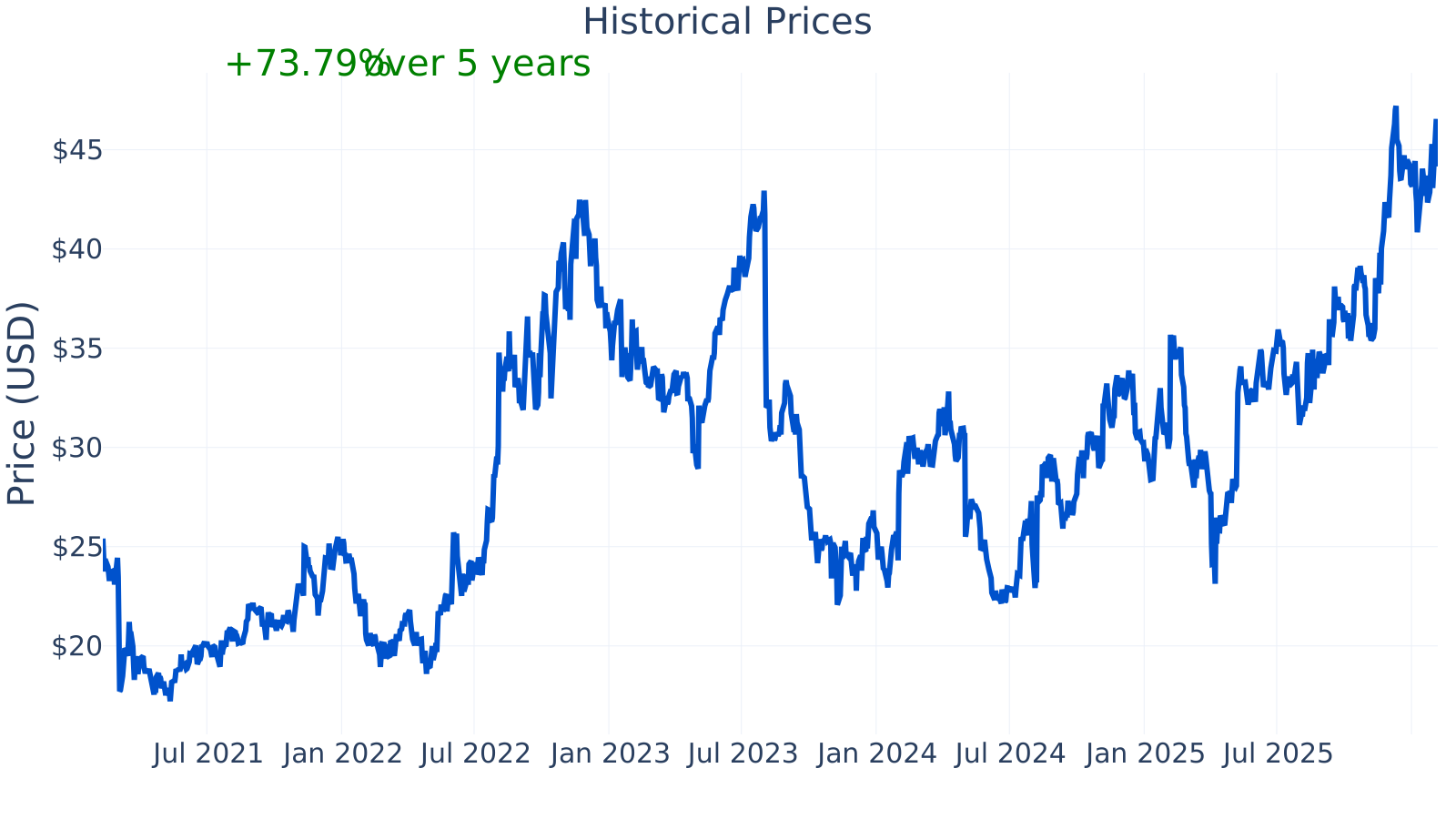
Digi International’s market capitalization is about $1.66B and the stock’s beta is about 0.82, which (historically) suggests less sensitivity than the broader market on average. The latest P/E ratio shown is about 39.4, in line with the industry median shown in the table. Profit margin is about 9.45% versus an industry median near 4.65%, indicating stronger profitability than the typical peer in this industry set at this point in time. Year-over-year revenue growth is about 17.9% versus an industry median near 14.1%. Debt-to-equity is about 23.8% versus an industry median near 59.1%, which points to a comparatively lower leverage profile. Trailing twelve-month free cash flow is about $113.7M.
Growth (Medium)
Digi operates in and around the “Internet of Things” (IoT) and industrial connectivity market, where organizations connect physical assets (machines, vehicles, sensors, kiosks, medical devices, and more) to networks for monitoring, control, and data collection. This is a long-running trend driven by digitization, remote operations, compliance requirements, and the need to reduce downtime. That said, demand can be uneven because many customers buy connectivity hardware as part of larger projects that can be delayed or accelerated.
A strategy that often supports longer-term durability in this space is combining devices with software/services that help customers deploy, manage, and secure them at scale. In general, this approach can increase switching costs (it is harder to change vendors once fleets are deployed) and can smooth results when hardware cycles fluctuate—though the details depend on Digi’s specific contract mix, renewal patterns, and product adoption (as described in its filings).
Revenue growth was strong in FY2022 and then turned negative through much of FY2024 before improving again into FY2025. The most recent point shown is a return to positive growth (about 17.9% year-over-year), which suggests a rebound from the slower stretch, but it also highlights that growth has not been steady every year.
Free cash flow (cash generated after operating needs and capital spending) improved meaningfully over the last few years shown, rising to about $104.8M by FY2025 (March period) and about $113.7M on a trailing twelve-month basis in the latest table. For long-term business quality, consistent free cash flow can matter because it can support reinvestment, debt reduction, or other corporate uses without relying as heavily on external financing.
Potential catalysts discussed in company materials typically relate to: increased adoption of connected-device management, refresh cycles for industrial networking gear, broader embedded connectivity demand, and continued progress in software/services attach rates. The strength and timing of these drivers can vary with customer budgets and project timelines.
Risks (Medium)
This article is for informational purposes only and does not constitute financial advice. Some content is AI-generated. See Disclaimer


