Stock Analysis · Dana Inc (DAN)
Overview
Dana Incorporated is an auto parts supplier that designs and manufactures drivetrain and motion systems used in vehicles and industrial equipment. In simple terms, it produces components that help transmit power (for example, axles, driveshafts, and related systems) for light vehicles, commercial trucks, and off-highway machines. Dana also develops electrified drivetrain solutions, reflecting the broader shift toward hybrid and battery-electric platforms across parts of transportation and industrial markets.
The company reports revenue primarily through operating segments that reflect where its products are used. Based on the company’s segment reporting in its annual filings, the main sources of revenue are generally:
- Light Vehicle (components and systems for passenger cars, pickups, SUVs, and crossovers)
- Commercial Vehicle (components and systems for trucks, buses, and similar applications)
- Off-Highway (construction, agriculture, mining, and other industrial/off-road equipment)
Percentages by segment can vary year to year with customer production levels and end-market cycles; the annual report segment footnote is the best place to verify the latest split.
Business model in one line: Dana’s revenue is largely tied to global production volumes in vehicle and equipment markets, plus the content (value) of drivetrain systems installed per unit.
Across the years shown, total revenue rose from about $8.95B (2021) to $10.56B (2023), then eased to about $10.28B (2024). Over the same period, cost of revenue remained the largest expense line, which helps explain why small changes in pricing, volumes, or manufacturing efficiency can have an outsized impact on profit.
Key Figures
| Metric | Value | Industry ⓘ |
|---|---|---|
| Date | Feb 08, 2026 | |
| Context | ||
| Sector | Consumer Cyclical | |
| Industry | Auto Parts | |
| Market Cap ⓘ | $2.46B | |
| Beta ⓘ | 2.16 | |
| Fundamental | ||
| P/E Ratio ⓘ | 47.93 | 25.56 |
| Profit Margin ⓘ | 0.55% | 3.38% |
| Revenue Growth ⓘ | 1.10% | 4.95% |
| Debt to Equity ⓘ | 323.15% | 66.87% |
| PEG ⓘ | 6.85 | |
| Free Cash Flow ⓘ | $102.00M | |
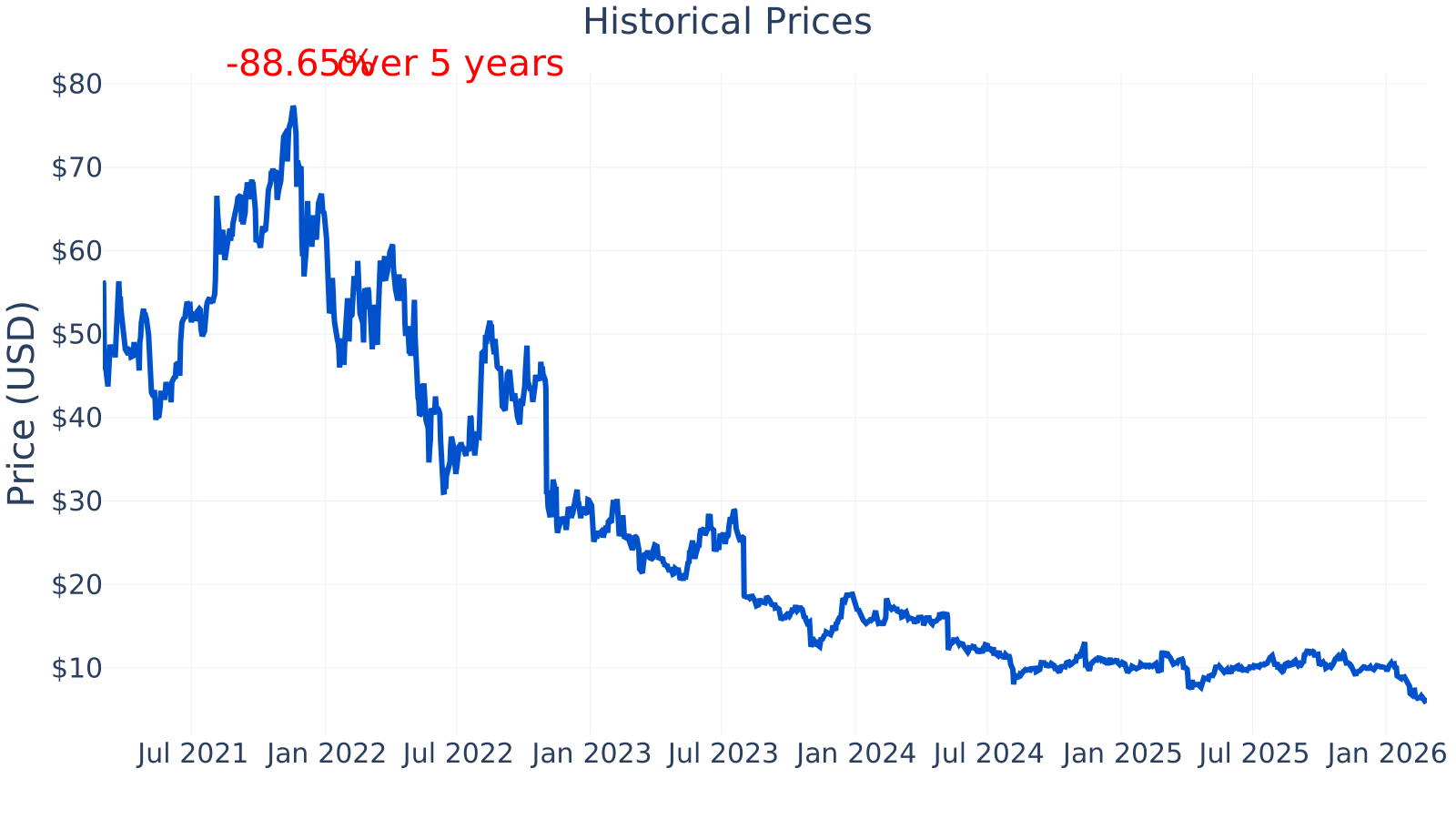
Dana’s latest market capitalization is about $2.46B. The stock’s beta (~2.16) indicates it has historically moved more than the broader market, which can translate into larger swings in both directions. Profitability and balance-sheet indicators stand out versus the industry median: the latest profit margin is ~0.55% compared with an industry median around 3.38%, and debt-to-equity is ~323% compared with an industry median near 67%. The P/E ratio (~47.9) is above the industry median (~25.6), while the PEG ratio (~6.85) suggests the valuation is high relative to growth assumptions embedded in that metric. Free cash flow over the trailing twelve months is shown at about $102M.
Growth (Medium)
Dana operates in the auto parts industry, which is typically driven by a mix of long-run vehicle parc demand (vehicles and equipment in use), new vehicle production cycles, and technology shifts. The industry is not purely “high growth,” but it can grow with higher vehicle content per unit (more complex systems) and with secular shifts such as electrification and efficiency requirements.
A key question for future growth is whether Dana can (1) maintain or expand its content per vehicle and (2) execute on electrified drivetrain offerings without compressing margins. Electrification can be a catalyst for suppliers when they win new programs, but it can also pressure margins due to heavy engineering investment, ramp-up costs, and pricing competition.
The year-over-year revenue growth pattern shown is uneven. After stronger growth earlier in the period, there is a visible slowdown and several quarters of negative growth, followed by a rebound and then another decline. The latest value shown is about -22.6% year over year, which is well below the industry median on the latest snapshot (about +4.95%). This kind of volatility is common for cyclical end-markets, but it also raises execution and mix questions that long-term holders typically monitor closely.
Free cash flow (cash left after operating needs and capital spending) is positive in most of the periods shown but not consistently so. The chart indicates a sharp downturn around 2022 (about -$422M), followed by a return to positive levels (for example, about $156M in 2023 and about $159M in 2025). The latest table value shows approximately $102M TTM. For a manufacturing supplier, sustained positive free cash flow can matter because it supports debt reduction, reinvestment, and resilience during downturns.
Risks (High)
This article is for informational purposes only and does not constitute financial advice. Some content is AI-generated. See Disclaimer