Stock Analysis · Daktronics Inc (DAKT)
Overview
Daktronics, Inc. designs and manufactures electronic display systems and related control software. In simple terms, it builds large LED displays used in places like sports stadiums and arenas, schools and universities, highways and transportation hubs, and commercial locations where organizations want to show information, advertising, or live video.
The business is typically “project-based”: customers order a display solution (hardware plus software and installation-related services), and revenue depends on timing of awards, production, and project completion. This can make results uneven from one period to the next, even when long-term demand is stable.
In its SEC filings, Daktronics reports revenue by business segments (rather than a single product list). The company’s segments include areas such as Live Events, Commercial, High School Park and Recreation, Transportation, and International. Segment mix can shift depending on which end-markets are most active and which large projects are delivered during the year.
Across the fiscal years shown, total revenue increased from about $482.0M (FY2021) to about $818.1M (FY2024), then declined to about $756.5M (FY2025). Profitability also varied significantly, with positive operating income in FY2024 but operating losses in FY2025, illustrating how project mix, costs, and operating spending can change outcomes from year to year.
Key Figures
| Metric | Value | Industry ⓘ |
|---|---|---|
| Date | Feb 08, 2026 | |
| Context | ||
| Sector | Technology | |
| Industry | Electronic Components | |
| Market Cap ⓘ | $1.24B | |
| Beta ⓘ | 1.72 | |
| Fundamental | ||
| P/E Ratio ⓘ | 211.75 | 41.23 |
| Profit Margin ⓘ | 0.96% | 6.11% |
| Revenue Growth ⓘ | 10.00% | 13.80% |
| Debt to Equity ⓘ | 10.23% | 39.00% |
| PEG ⓘ | 0.40 | |
| Free Cash Flow ⓘ | $61.71M | |
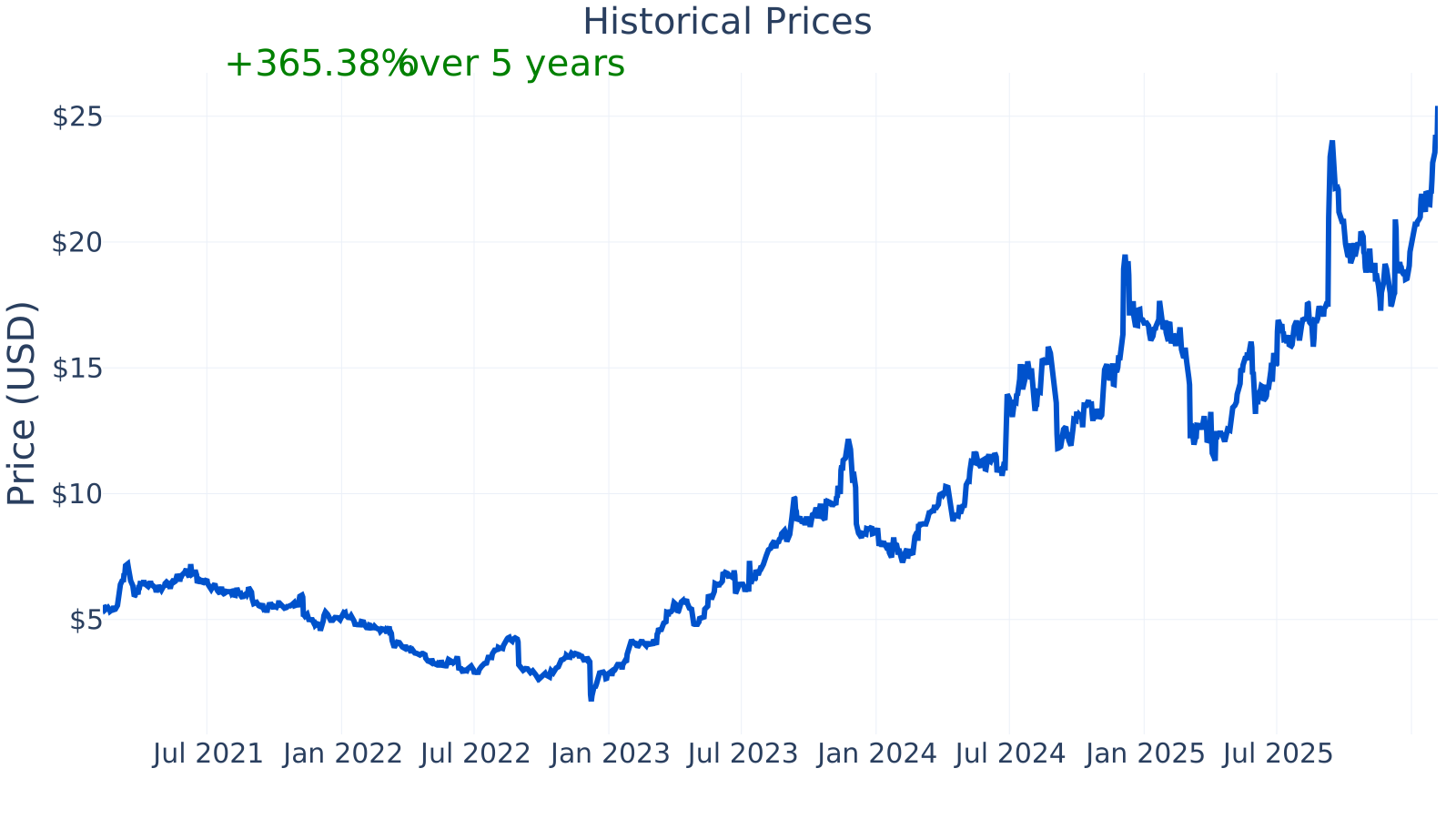
Daktronics’ market capitalization is about $1.24B, placing it in the small-cap range. The stock’s beta of ~1.72 suggests it has historically moved more than the broader market (in either direction), which can matter for long-term investors who prefer steadier price behavior.
On profitability, the latest net profit margin is ~0.96%, which is below the industry median of ~6.11% (based on the provided industry group). This gap is important because small changes in project costs or pricing can have a large impact when margins are thin.
On balance sheet leverage, debt-to-equity is ~10%, below the industry median of ~39%. Lower leverage can reduce financial pressure during slower demand periods or when projects are delayed.
On growth, the latest year-over-year revenue growth is ~10%, compared with an industry median of ~13.8%. This indicates growth that is positive but not clearly above peers on this single snapshot.
Free cash flow over the trailing twelve months is about $61.7M. Cash generation matters for funding working capital, investment in engineering and manufacturing capabilities, and resilience during cycles.
Growth (Medium)
Daktronics participates in end-markets supported by ongoing demand for digital signage and live video displays. Over time, venues and commercial operators tend to refresh older display systems, adopt higher-resolution LED technology, and add more digital inventory for messaging and advertising. Transportation-related displays also benefit from infrastructure maintenance and modernization cycles.
The company’s strategy of combining display hardware with control systems and software can make sense for growth because customers often want an integrated solution (display + content/control + service). Recurring needs such as maintenance, upgrades, and replacements can also help support longer-term demand, even though individual projects are lumpy.
Revenue growth has been volatile. The chart shows periods of very strong year-over-year growth (for example, above 30% in several quarters) followed by slower or negative comparisons later. This pattern is consistent with a project business where delivery timing and large orders can swing quarterly results.
Free cash flow shifted meaningfully over the period shown: it was negative in FY2022 and FY2023, then turned strongly positive in FY2024 and remained positive in FY2025. Sustained positive free cash flow can be a supportive signal, but the earlier negatives show that cash generation can change direction depending on profitability and working-capital needs.
Risks (High)
This article is for informational purposes only and does not constitute financial advice. Some content is AI-generated. See Disclaimer


