Stock Analysis · Cirrus Logic Inc (CRUS)
Overview
Cirrus Logic Inc. is a semiconductor company that designs specialized chips used to convert, amplify, and process sound and other signals in electronic devices. In simple terms, its components help consumer electronics deliver features like clearer audio playback, better voice capture for calls, and efficient power use for certain functions. The company is “fabless,” meaning it focuses on engineering and product design while manufacturing is performed by external foundry partners.
Cirrus Logic’s revenue is primarily generated by selling these chips to device makers and manufacturers, with a major emphasis on the smartphone supply chain. Its product portfolio is commonly described around high-performance mixed-signal solutions, including audio and voice-related components. In its SEC filings, Cirrus Logic also highlights a high concentration of revenue among a small number of customers (with one customer historically representing a very large share), which is an important part of how the business works.
Main sources of revenue (high-level, based on company reporting categories):
- Audio and voice components for smartphones and other mobile devices (typically the largest driver)
- Other mixed-signal components used in a range of consumer electronics (smaller portion)
- Development-related and other revenue items (generally minor, when present)
The company’s operating profile shows a meaningful and consistent commitment to research and development, which is typical for semiconductor designers. Over the last several fiscal years shown below, Cirrus Logic generated roughly $1.8–$1.9B in annual revenue, with substantial gross profit and significant R&D spending.
Across the periods shown, revenue has stayed in a relatively tight band (roughly $1.37B to ~$1.90B), while operating income and net income fluctuated more noticeably. Research and development has remained a large, recurring investment each year, reflecting the need to keep products competitive and win new design placements.
Key Figures
| Metric | Value | Industry ⓘ |
|---|---|---|
| Date | Feb 07, 2026 | |
| Context | ||
| Sector | Technology | |
| Industry | Semiconductors | |
| Market Cap ⓘ | $7.29B | |
| Beta ⓘ | 1.14 | |
| Fundamental | ||
| P/E Ratio ⓘ | 18.84 | 45.89 |
| Profit Margin ⓘ | 20.47% | 9.42% |
| Revenue Growth ⓘ | 4.50% | 13.10% |
| Debt to Equity ⓘ | 6.37% | 25.62% |
| PEG ⓘ | 8.09 | |
| Free Cash Flow ⓘ | $614.54M | |
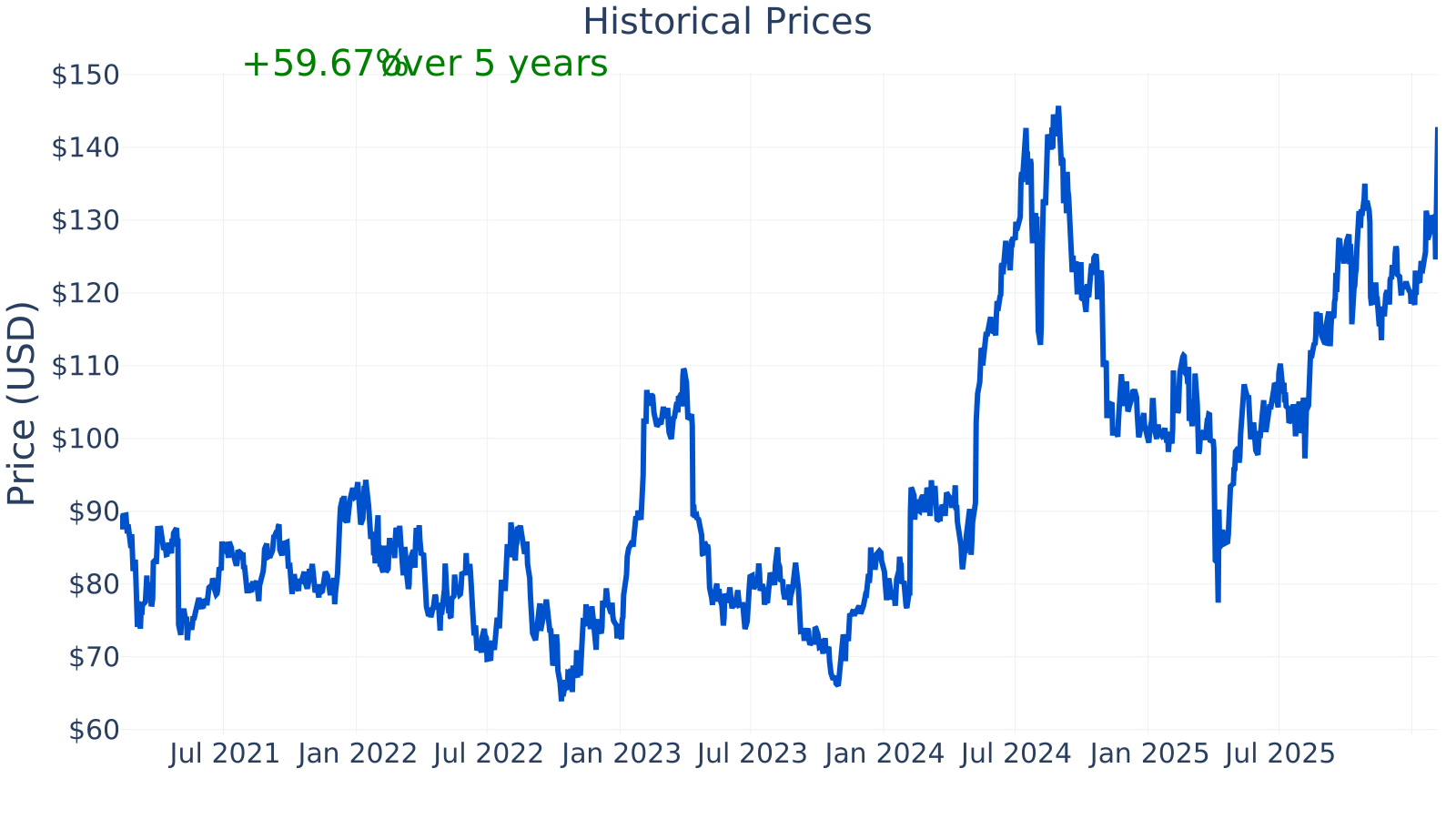
Cirrus Logic’s market capitalization is about $7.29B and the stock’s beta is 1.14, suggesting it has historically moved somewhat more than the broader market. The latest P/E ratio is 18.84, which is below the semiconductors industry median of 45.89 shown here. Profitability stands out: the latest profit margin is 20.47% versus an industry median of 9.42%. Growth is more mixed in the near term, with revenue growth (YoY) at 4.50% versus an industry median of 13.10%. Balance sheet leverage appears relatively low with debt-to-equity at 6.37% compared with an industry median of 25.62%. Trailing twelve-month free cash flow is about $614.5M, indicating strong cash generation in the most recent period shown.
Growth (Medium)
Cirrus Logic operates in the semiconductor industry, which is shaped by long-term demand for electronics but also by cyclical swings (periods of strong demand followed by slowdowns). Within semiconductors, the company’s core exposure is to consumer devices—especially smartphones—where growth tends to come less from unit volumes and more from adding content per device (for example: improved audio performance, power efficiency, voice features, and tighter integration).
A key strategic logic for Cirrus is to maintain leadership in its specialized areas and expand the number of components it supplies per end device. This approach can create growth even when overall device shipments are not rising quickly. Another potential growth lever is customer diversification—broadening revenue beyond a small number of large buyers—though the pace and success of that effort typically depends on long design cycles and competitive wins.
The year-over-year revenue growth pattern has been uneven, moving from very strong growth in parts of 2021–2022 to declines during portions of 2023, followed by a return to modest positive growth in several quarters. The most recent quarter shown is +4.48% YoY, which is positive but below the industry median (+13.10%) in the same snapshot.
Free cash flow has increased meaningfully over the multi-year view shown, rising from about $328M (2021) to about $422M (2025-03-31 period shown), with the latest table value indicating ~$615M TTM. For a chip designer, sustained free cash flow can matter because it helps fund R&D, absorb downcycles, and support capital return programs (where applicable, as described in filings and board authorizations).
Risks (High)
This article is for informational purposes only and does not constitute financial advice. Some content is AI-generated. See Disclaimer