Stock Analysis · Churchill Downs Incorporated (CHDN)
Overview
Churchill Downs Incorporated (CHDN) is a U.S. gambling and entertainment company best known for owning and operating the Churchill Downs racetrack and hosting the Kentucky Derby. Beyond horse racing, the company has built a broader portfolio that includes regional casinos (“gaming” properties) and a large online wagering business that lets customers bet on horse races and other events in states where it is permitted.
Its business model mixes “destination” events (like Derby Week), year-round gaming operations, and online betting. This combination can help reduce reliance on any single venue or season, but the company still depends on consumer discretionary spending and on gaming laws and tax rules that vary by jurisdiction.
Main sources of revenue are typically reported by operating segment in company filings. Based on the company’s segment structure, revenue primarily comes from:
- Live and Historical Racing (includes Churchill Downs Racetrack and historical racing machine venues)
- TwinSpires (online wagering and related online gaming activities, where permitted)
- Gaming (regional casinos and racinos)
The mix between these segments can shift over time depending on acquisitions, new property openings, and changes in regulations. For exact segment percentages in the most recent year, the company’s latest Form 10-K segment note is the best reference.
From 2021 to 2024, total revenue increased meaningfully (about $1.6B to about $2.7B). Over the same period, operating income also rose, but interest expense increased sharply (from about $85M in 2021 to about $290M in 2024), which highlights the impact that debt and interest rates can have on net results.
Key Figures
| Metric | Value | Industry ⓘ |
|---|---|---|
| Date | Feb 07, 2026 | |
| Context | ||
| Sector | Consumer Cyclical | |
| Industry | Gambling | |
| Market Cap ⓘ | $6.56B | |
| Beta ⓘ | 0.64 | |
| Fundamental | ||
| P/E Ratio ⓘ | 17.01 | |
| Profit Margin ⓘ | 13.99% | 1.42% |
| Revenue Growth ⓘ | 8.70% | 12.75% |
| Debt to Equity ⓘ | 493.40% | 198.79% |
| PEG ⓘ | 2.58 | |
| Free Cash Flow ⓘ | $590.30M | |
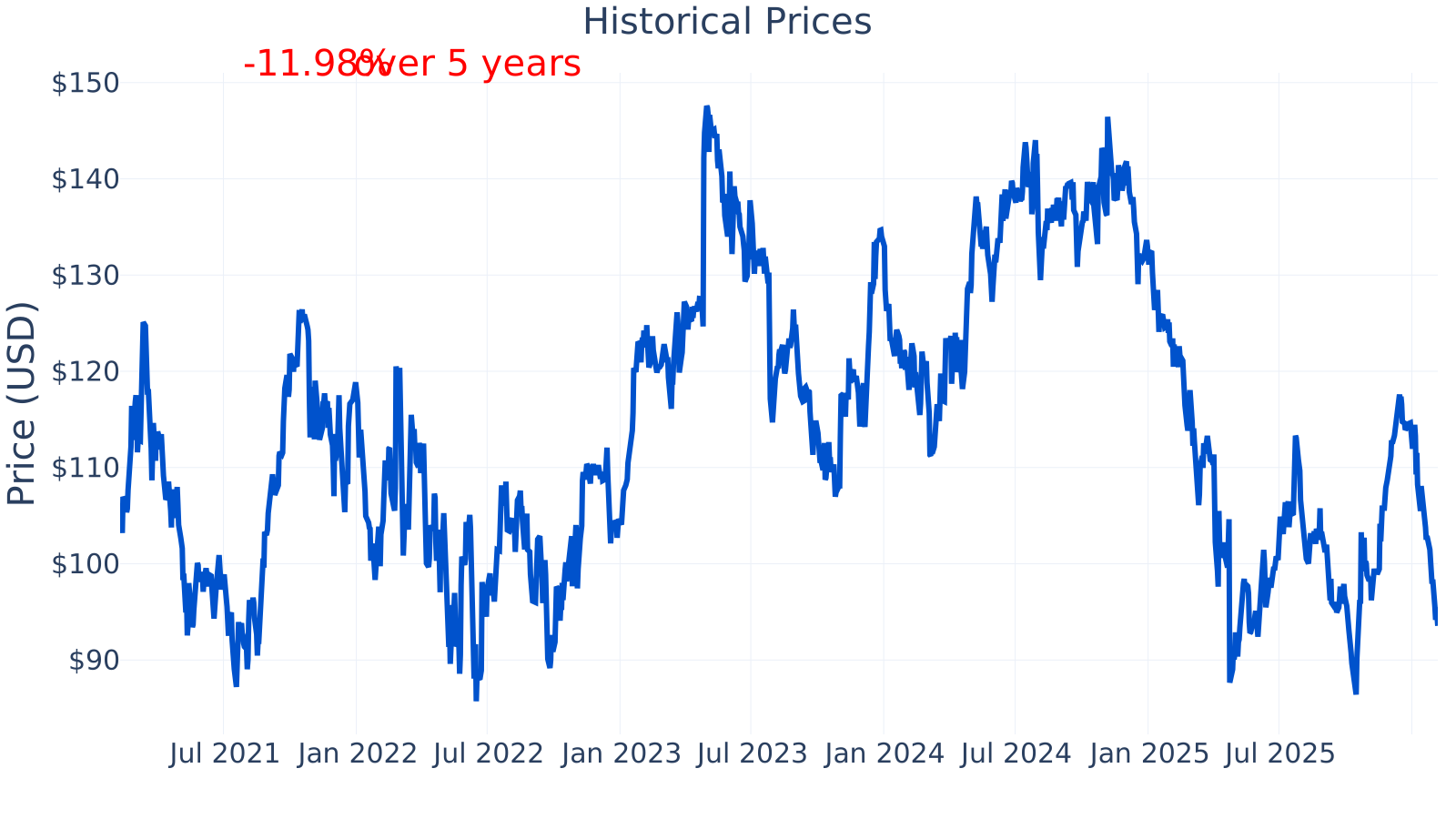
CHDN’s market capitalization is about $6.6B, and the stock’s beta of 0.64 suggests it has historically moved less than the broader market on average (though beta can change over time). The P/E ratio is about 17.0. The company’s profit margin is about 14.0%, which is notably higher than the median shown for its gambling industry peer set (about 1.4%). Recent year-over-year revenue growth is about 8.7%, below the peer-set median shown (about 12.8%). Leverage stands out: debt-to-equity is about 493%, higher than the peer median shown (about 199%). Trailing twelve-month free cash flow is about $590M, indicating the business has recently been producing substantial cash after operating needs and capital spending.
Growth (Medium)
Churchill Downs operates in the broader gaming and wagering industry, which has been shaped by two long-running forces: (1) gradual expansion of legalized gambling across U.S. states, and (2) consumer migration toward digital and mobile betting where it is allowed. That said, growth is not uniform because each state sets its own rules, tax rates, and licensing frameworks, and competitive intensity can be high in newly opened markets.
Strategically, CHDN has aimed to combine physical gaming assets with online wagering, while also using its marquee racing brand (Kentucky Derby) as a powerful marketing platform. Its owned and operated venues can generate recurring revenue, while online platforms can scale without the same level of real estate investment—although online customer acquisition can be costly in competitive markets.
Revenue growth has been positive in most periods shown, but it has also varied meaningfully from quarter to quarter. More recently, growth rates appear to be in a mid-single-digit to high-single-digit range, which is consistent with a more mature company profile rather than an early-stage hyper-growth profile.
Free cash flow has fluctuated over the years shown (including periods that dip below zero), then improved to a positive level most recently (about $590M on a trailing twelve-month basis in the latest metric set). For a gambling operator, sustained free cash flow matters because it can support debt service, reinvestment in properties, and flexibility during slower consumer spending periods.
Potential catalysts (in a strictly factual, business-model sense) generally include: opening or expanding gaming properties, deploying additional historical racing venues (where permitted), and regulatory changes that expand legal wagering opportunities. The opposite is also true: unfavorable regulatory or tax changes can reduce growth.
Risks (High)
This article is for informational purposes only and does not constitute financial advice. Some content is AI-generated. See Disclaimer