Stock Analysis · Carnival Plc ADS (CUK)
Overview
Carnival Plc (ADS: CUK) is one of the world’s largest cruise companies. It operates passenger cruise vacations across multiple brands, selling itineraries that typically bundle transportation, lodging, dining, and onboard entertainment into one trip. Beyond the ticket price, cruises also generate meaningful onboard spending, such as beverages, specialty dining, casinos, shore excursions, and other onboard services.
Carnival’s revenue is primarily driven by two broad streams that are commonly used to describe cruise economics in company reporting:
- Passenger ticket revenue (cruise fares)
- Onboard and other revenue (spending during the cruise such as excursions, beverage packages, casinos, and other onboard purchases)
The cruise business is asset-heavy: Carnival owns and operates a large fleet, and results depend on keeping ships highly occupied, managing pricing, and controlling major cost lines such as fuel, food, and labor.
Across the years shown, revenue expanded significantly from the pandemic-impacted period, while profitability shifted from large losses to positive operating income and net income. Interest expense remains a meaningful cost line, which highlights how financing choices and debt levels can influence results even when operations improve.
Key Figures
| Metric | Value | Industry ⓘ |
|---|---|---|
| Date | Feb 07, 2026 | |
| Context | ||
| Sector | Consumer Cyclical | |
| Industry | Travel Services | |
| Market Cap ⓘ | $44.55B | |
| Beta ⓘ | 2.44 | |
| Fundamental | ||
| P/E Ratio ⓘ | 16.68 | 21.78 |
| Profit Margin ⓘ | 10.37% | 10.37% |
| Revenue Growth ⓘ | 6.60% | 10.60% |
| Debt to Equity ⓘ | 227.88% | 96.47% |
| PEG ⓘ | 1.17 | |
| Free Cash Flow ⓘ | $2.61B | |
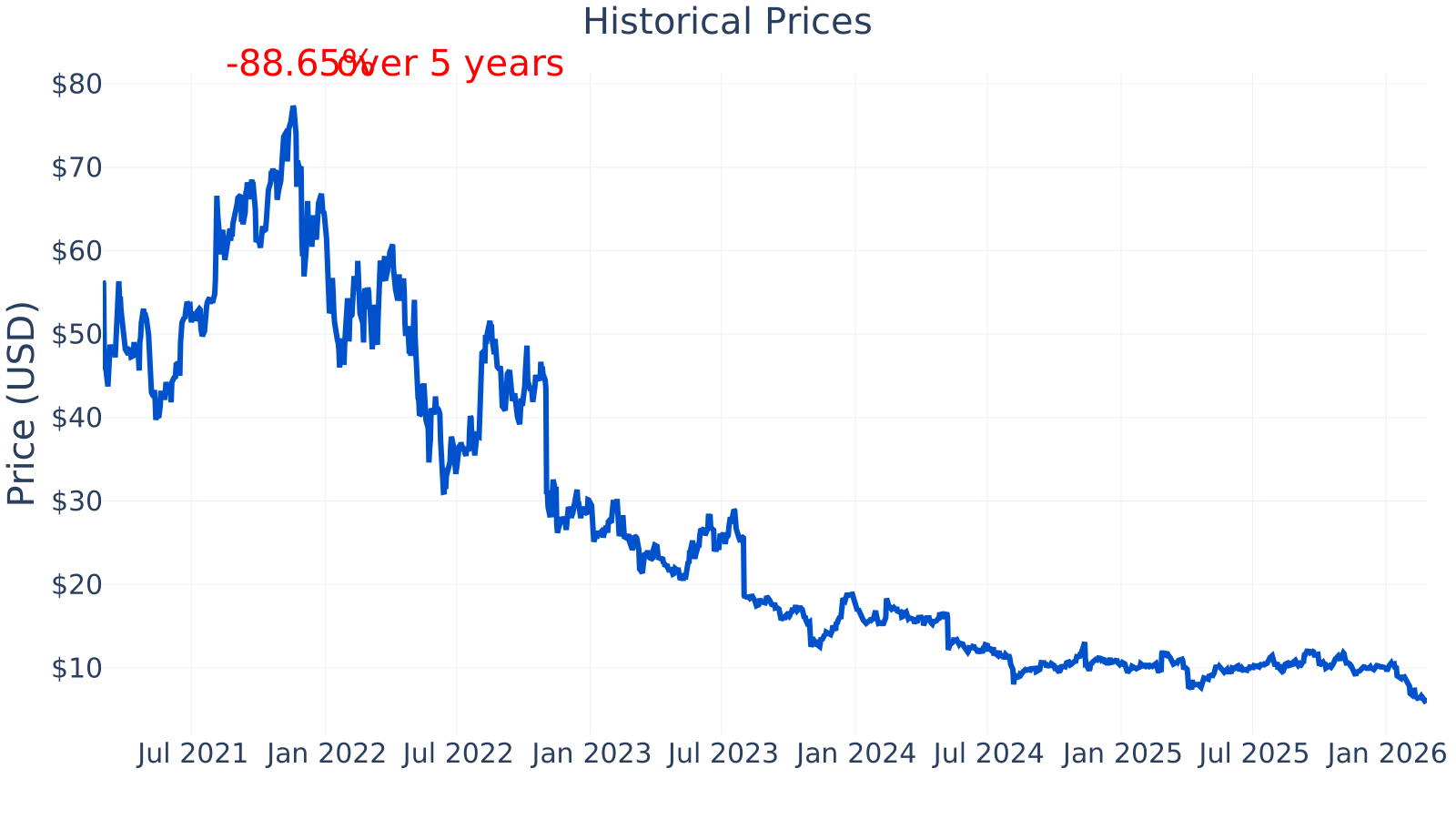
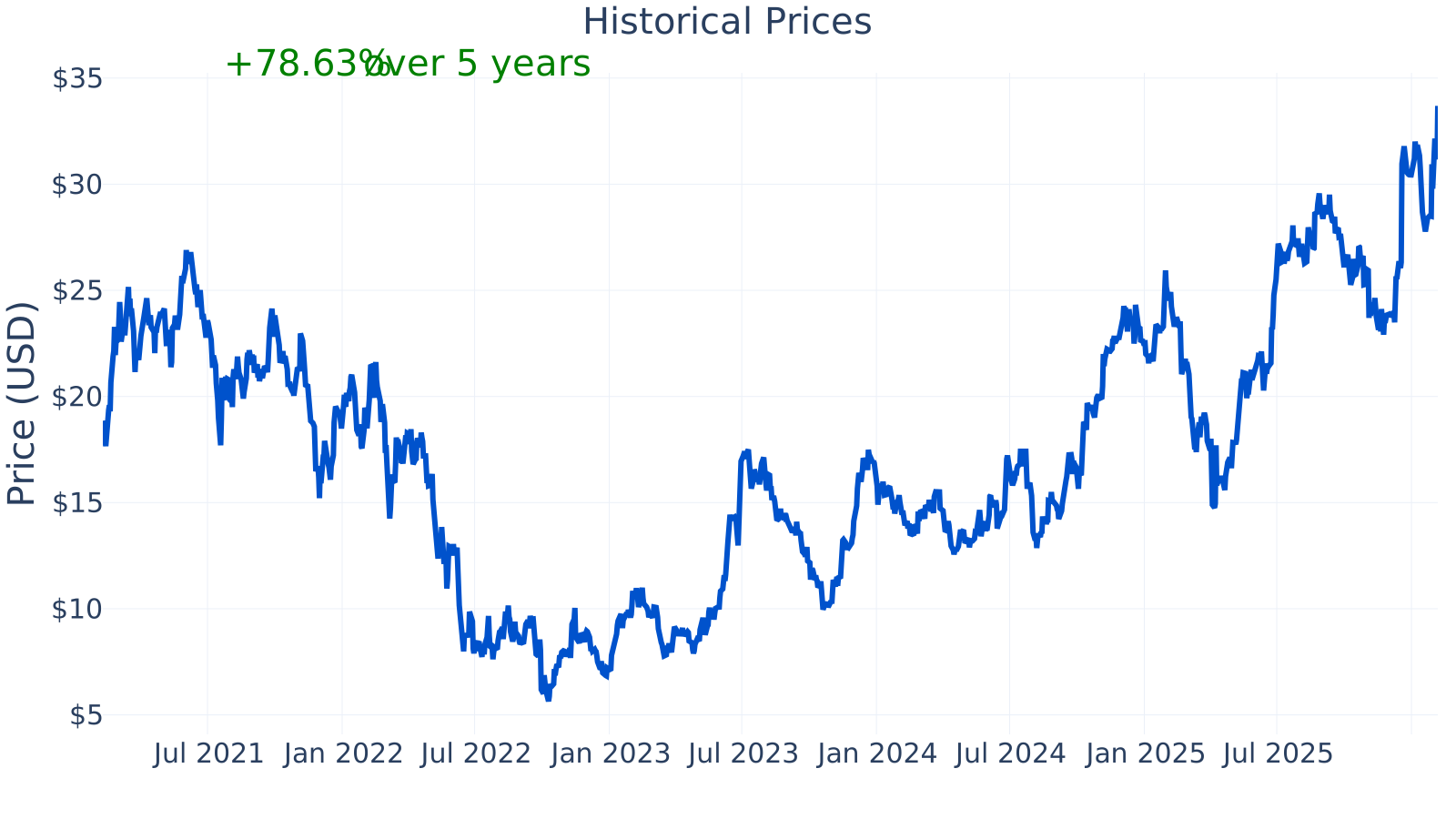
Carnival’s market capitalization is about $44.5 billion. The stock has a high beta (2.44), which means the share price has historically moved more than the broader market (up and down). The company’s P/E ratio is ~16.7 versus an industry median near 21.8, while its profit margin is ~10.4%, in line with the industry median. Year-over-year revenue growth is about 6.6%, below the industry median shown (~10.6%). A key balance-sheet figure is leverage: debt-to-equity is ~228%, well above the industry median (~96%). Free cash flow over the last twelve months is about $2.6 billion.
Growth (Medium)
The cruise industry sits within leisure travel, which tends to benefit over time from consumer demand for experiences and vacations, but it is also cyclical (sensitive to economic slowdowns). For Carnival specifically, growth is often less about opening new “stores” and more about using a fixed fleet efficiently—improving occupancy, pricing, onboard spending, and costs—while selectively adding or upgrading ships over longer planning cycles.
The year-over-year revenue growth pattern shown reflects a normalization after the pandemic disruption: extremely high growth rates during the recovery phase, followed by a more typical pace as comparisons become less favorable. The latest value shown is ~6.6%, which suggests the business may be moving from rebound-driven growth toward steadier, more mature growth rates.
Free cash flow (cash generated after operating needs and capital spending) moved from deeply negative to positive, reaching roughly $2.0 billion and then $2.6 billion in the periods shown. For a capital-intensive business, sustained positive free cash flow can matter because it can support fleet investment, strengthen the balance sheet, and reduce refinancing pressure over time.
Potential catalysts for longer-term fundamentals typically include (1) continued improvement in onboard revenue per passenger, (2) disciplined capacity growth and yield management (pricing relative to demand), and (3) lower financing costs over time if debt is refinanced on better terms or reduced—though these depend on market conditions and company execution.
Risks (High)
This article is for informational purposes only and does not constitute financial advice. Some content is AI-generated. See Disclaimer