Stock Analysis · H&R Block Inc (HRB)
Overview
H&R Block, Inc. (HRB) is a U.S.-based provider of tax preparation services for individuals and small businesses. The company is best known for preparing and filing tax returns through a mix of in-person assisted tax prep (offices and tax professionals) and digital do-it-yourself (DIY) software. It also supports related tax needs such as help with tax questions, add-on services connected to filing, and other products offered during the tax season.
Because tax filing is required each year for many taxpayers, H&R Block’s business tends to be highly seasonal, with a large share of activity and earnings concentrated around the U.S. tax season (generally January through April). Over time, the company has emphasized combining human-assisted services with digital tools to serve both customers who want a professional and those who prefer self-prep.
In its reporting, H&R Block organizes operations into major business segments. Based on company filings, the main revenue sources are typically:
- Assisted tax preparation (in-person/assisted services in retail offices and other assisted channels)
- DIY tax preparation (digital tax software and online filing)
- Small business financial solutions (products and services aimed at small business needs, which the company has described as complementary to its tax relationship)
Percentages by segment can change from year to year and depend on how the company reports them in its latest annual filing.
Over the last several fiscal years shown, total revenue rose from about $3.46B (FY2021) to about $3.76B (FY2025). Over the same span, operating income increased from roughly $747M to about $860M, and net income increased from roughly $554M to about $606M. Interest expense appears lower than FY2021 levels in the later years shown, while operating expenses (including selling, general and administrative costs, and R&D) increased as the business scaled and invested.
Key Figures
| Metric | Value | Industry ⓘ |
|---|---|---|
| Date | Feb 16, 2026 | |
| Context | ||
| Sector | Consumer Cyclical | |
| Industry | Personal Services | |
| Market Cap ⓘ | $3.94B | |
| Beta ⓘ | 0.35 | |
| Fundamental | ||
| P/E Ratio ⓘ | 7.25 | 19.91 |
| Profit Margin ⓘ | 16.19% | 12.83% |
| Revenue Growth ⓘ | 11.10% | 9.70% |
| Debt to Equity ⓘ | -392.92% | 183.91% |
| PEG ⓘ | 0.46 | |
| Free Cash Flow ⓘ | $524.08M | |
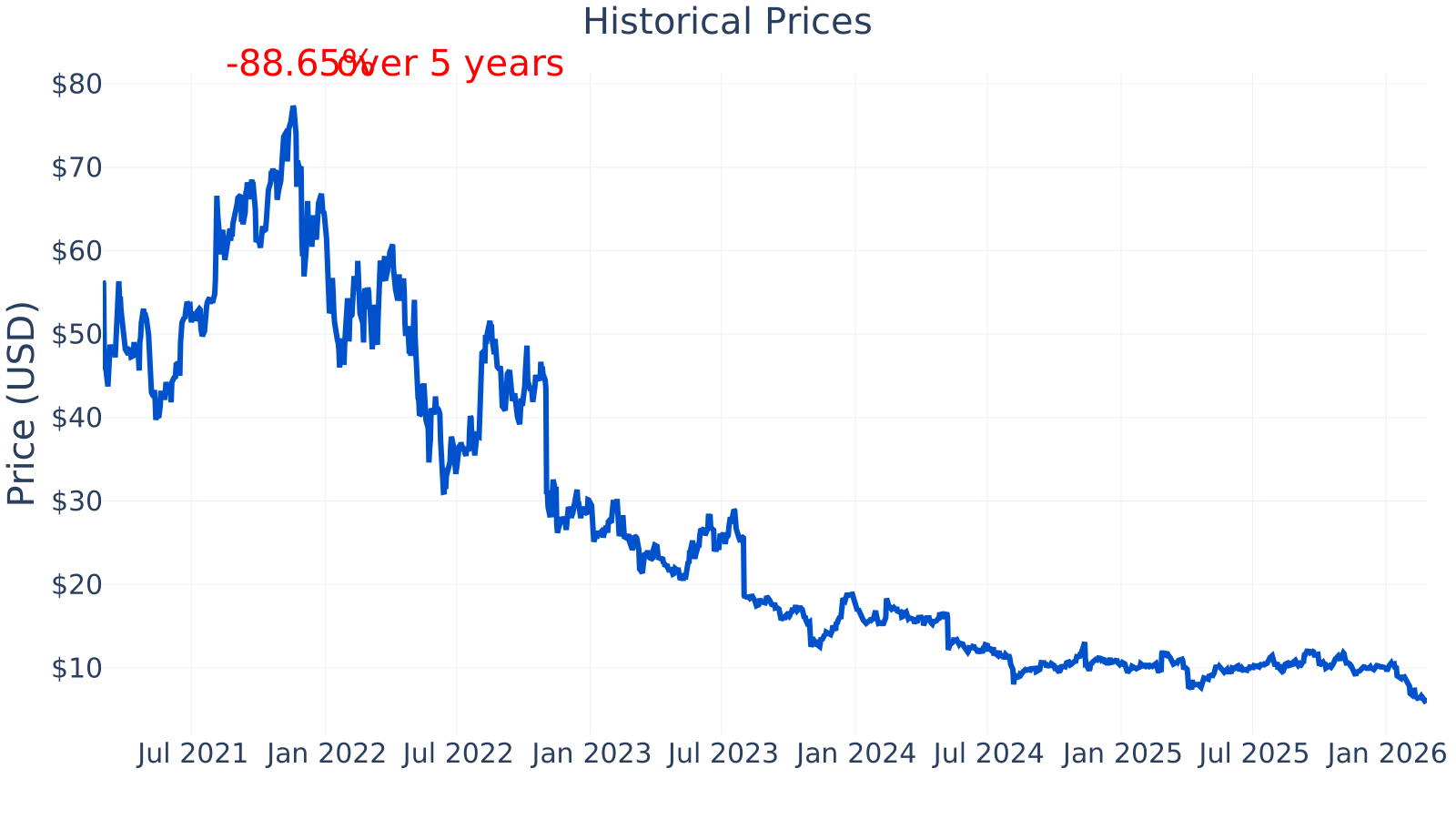
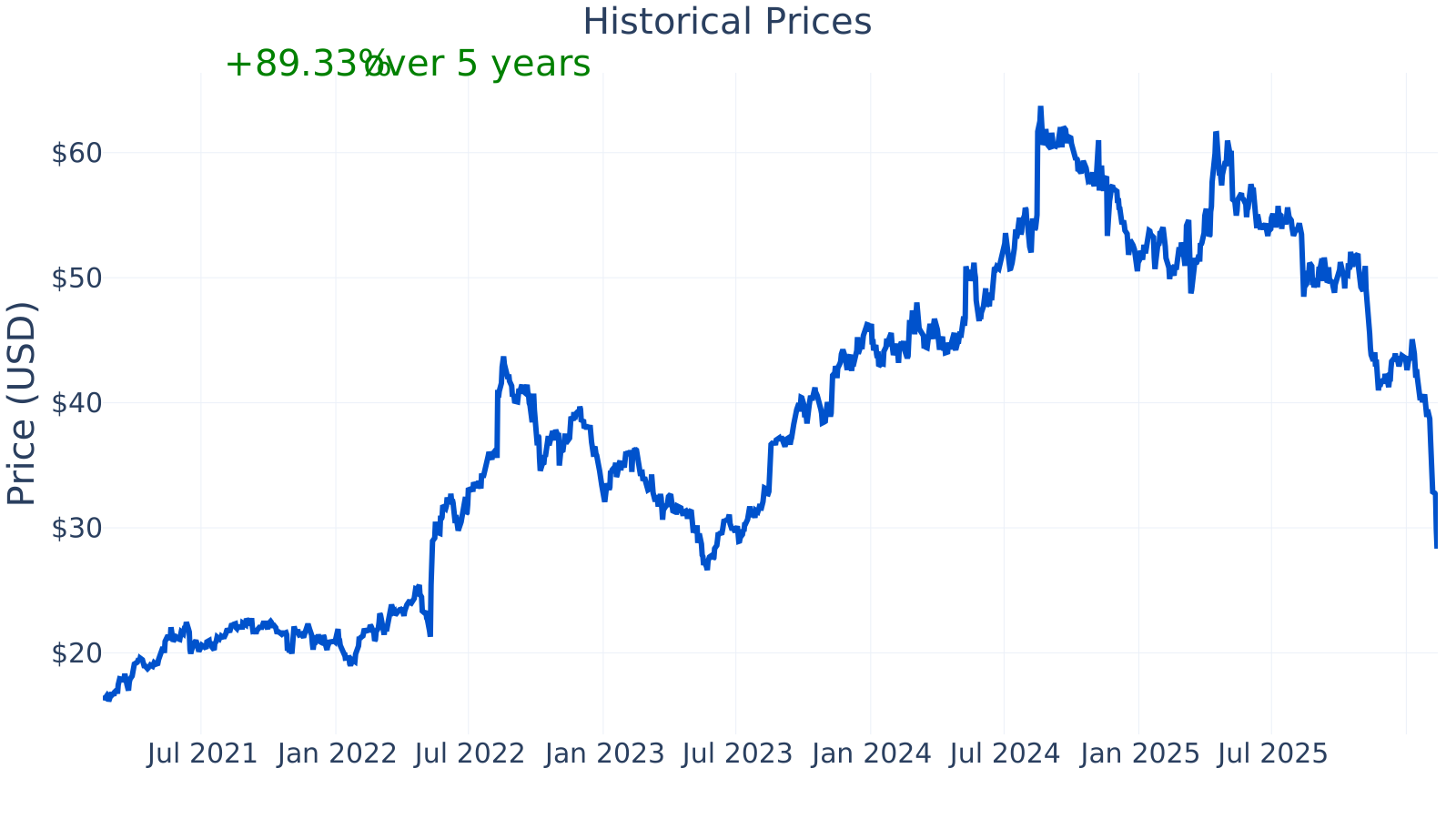
H&R Block’s market capitalization is about $3.94B, and the stock’s beta of about 0.35 suggests it has historically moved less than the overall market. The company’s P/E ratio is ~7.25 versus an industry median near 19.91, while its profit margin is ~16.19% versus an industry median around 12.83%. Year-over-year revenue growth is about 11.10% (industry median ~9.70%). Free cash flow over the trailing twelve months is about $524M. The reported debt-to-equity is negative, which usually happens when a company’s accounting equity is negative (often influenced by capital returns like buybacks and retained earnings dynamics), making simple debt-to-equity comparisons less straightforward.
Growth (Low to Medium)
The U.S. tax preparation market is mature: most customers file every year, and overall volume tends to track the number of filers more than rapid expansion. That said, there are still areas for change—especially the ongoing shift between assisted preparation and DIY filing, and the adoption of digital tools that can improve customer experience and reduce preparation time. For a company like H&R Block, growth can come from retaining customers, gaining share, expanding add-on services connected to filing, and improving efficiency.
Recent year-over-year revenue growth is shown at about 11.05% in the most recent period displayed, with smaller single-digit growth in several earlier quarters shown. The large swings earlier in the series highlight that comparisons can look unusual depending on the baseline period, seasonality, and specific tax-season dynamics.
Free cash flow has been positive in each year displayed, ranging from about $41M (FY2022) to about $868M (FY2023), and about $648M (FY2025). For a seasonal business, cash generation can fluctuate meaningfully from year to year, but sustained positive free cash flow can support investments in technology, marketing, and other operating needs.
Potential catalysts over time tend to be tied to execution rather than a fast-growing end market: improving digital conversion and retention, expanding services adjacent to tax filing for existing customers, and operating discipline that protects profitability during competitive tax seasons. Any major tax law changes can also alter demand patterns, but the direction and impact are not always predictable.
Risks (Medium)
This article is for informational purposes only and does not constitute financial advice. Some content is AI-generated. See Disclaimer