Stock Analysis · Biglari Holdings Inc (BH-A)
Overview
Biglari Holdings Inc. is a holding company with operating businesses and investment assets. It is best known for owning and operating restaurant brands, while also running an insurance business and holding investment securities. This structure means results can be influenced both by everyday operating performance (such as restaurant traffic and costs) and by investment/insurance outcomes (which can be more volatile from year to year).
Based on the company’s segment reporting in its SEC filings, the main revenue sources are typically:
- Restaurant operations (largest source): primarily Steak n Shake and Western Sizzlin
- Insurance: premiums earned through insurance operations
- Other businesses: smaller operating activities (varies by period)
Because the exact segment percentages can change by year and depend on how the company reports segment totals, a precise percentage split is best read directly from the latest annual report segment note.
Across recent years, total revenue in the income statement has been relatively stable (roughly in the mid-$300 millions). Profitability, however, has fluctuated meaningfully: operating income and net income have swung from profitable to loss-making, which suggests that cost control, one-time items, and/or the mix of business results can materially change the bottom line even when revenue does not move much.
Key Figures
| Metric | Value | Industry ⓘ |
|---|---|---|
| Date | Feb 08, 2026 | |
| Context | ||
| Sector | Consumer Cyclical | |
| Industry | Restaurants | |
| Market Cap ⓘ | $1.32B | |
| Beta ⓘ | 0.69 | |
| Fundamental | ||
| P/E Ratio ⓘ | 200.01 | 29.16 |
| Profit Margin ⓘ | 0.54% | 7.98% |
| Revenue Growth ⓘ | 10.30% | 6.90% |
| Debt to Equity ⓘ | 59.83% | 69.29% |
| PEG ⓘ | N/A | |
| Free Cash Flow ⓘ | $81.14M | |
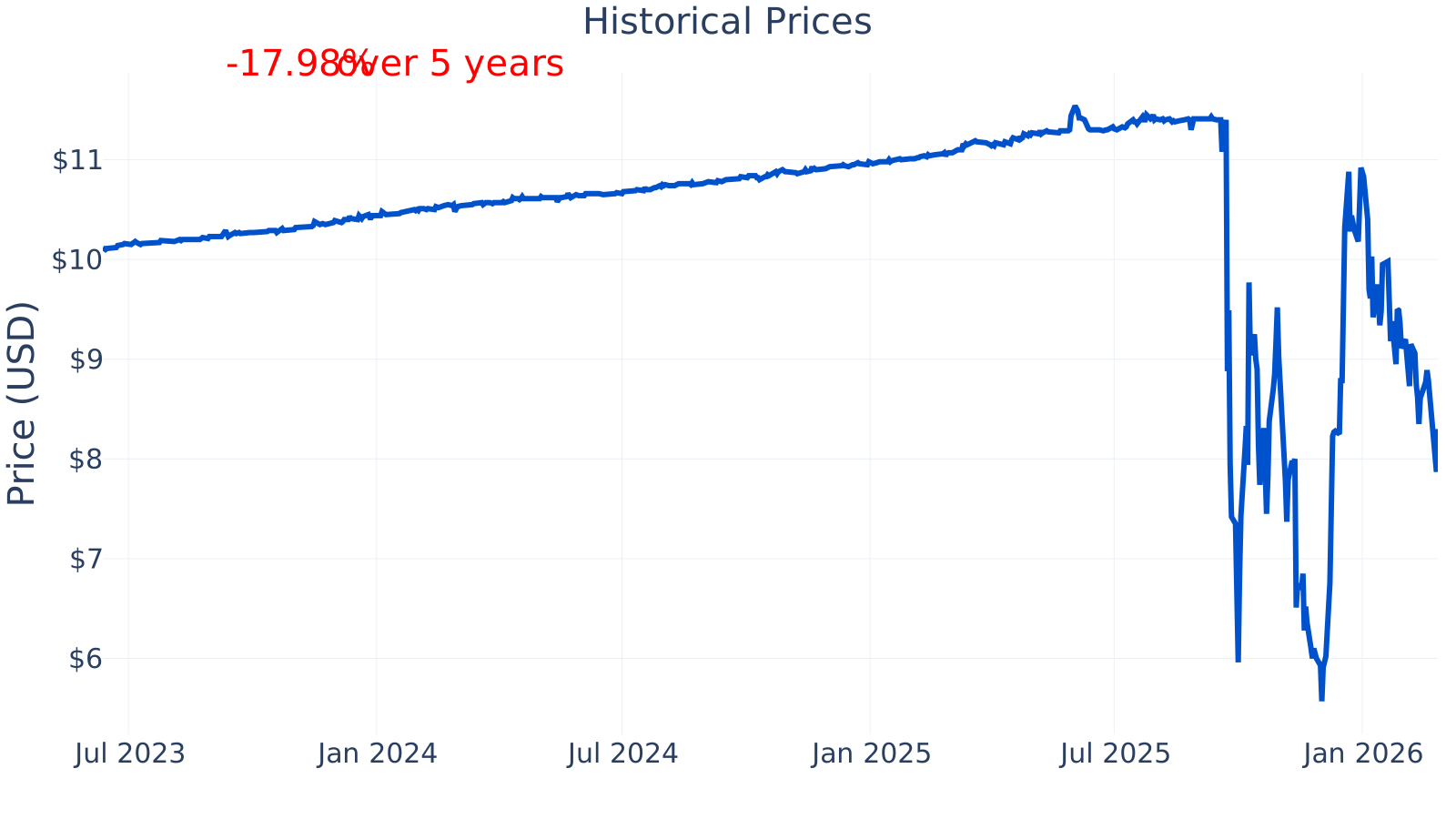
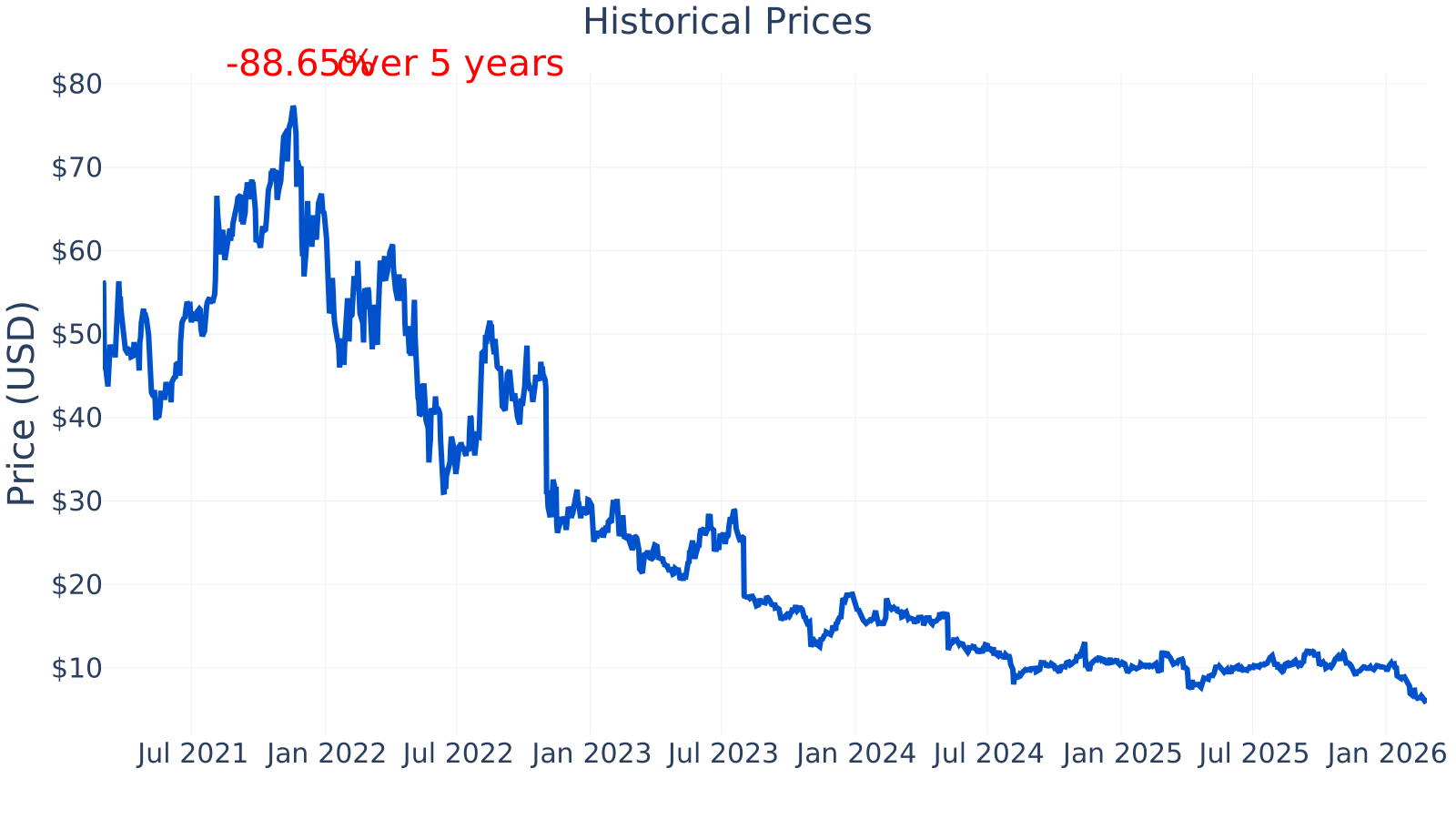
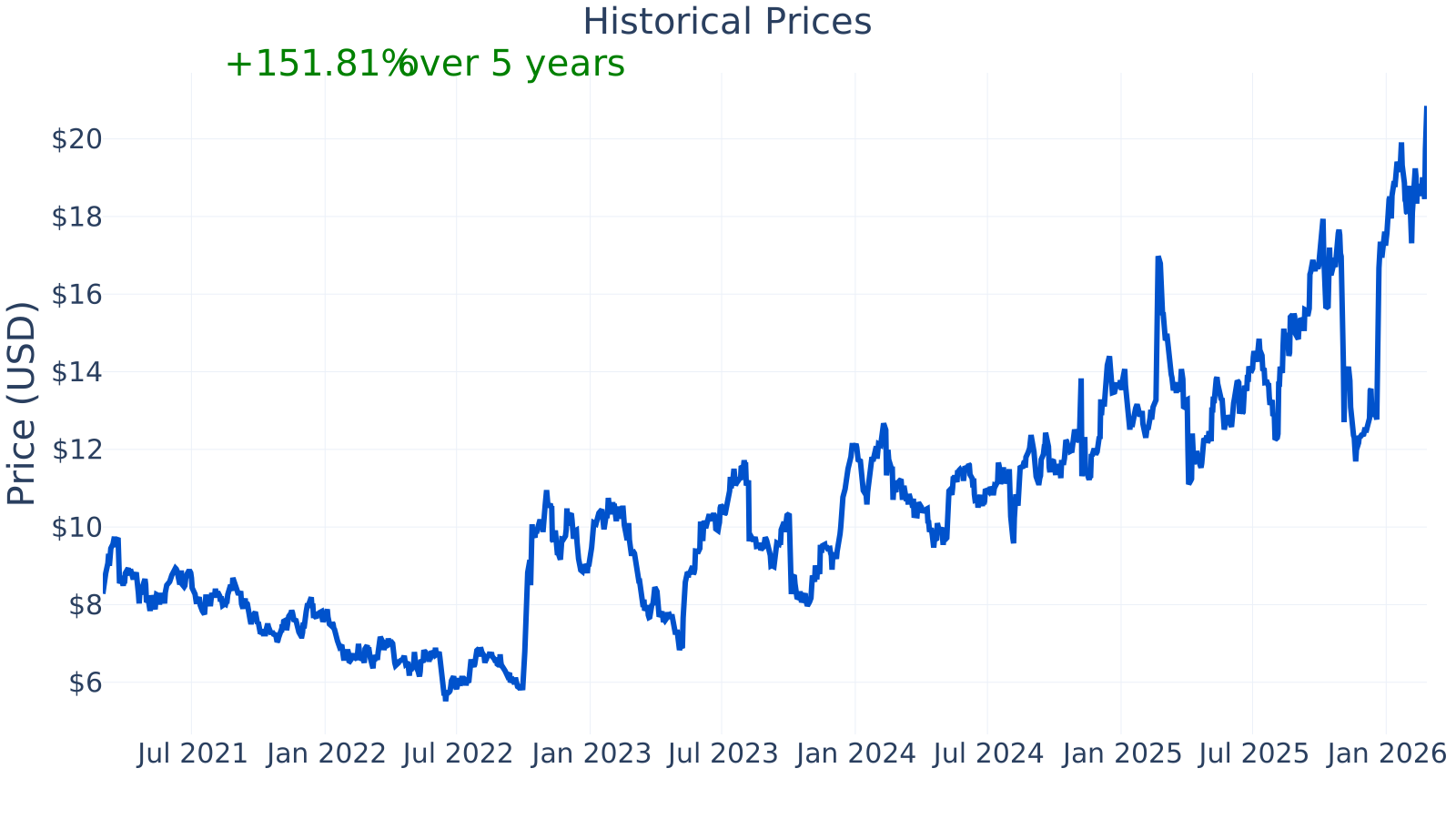
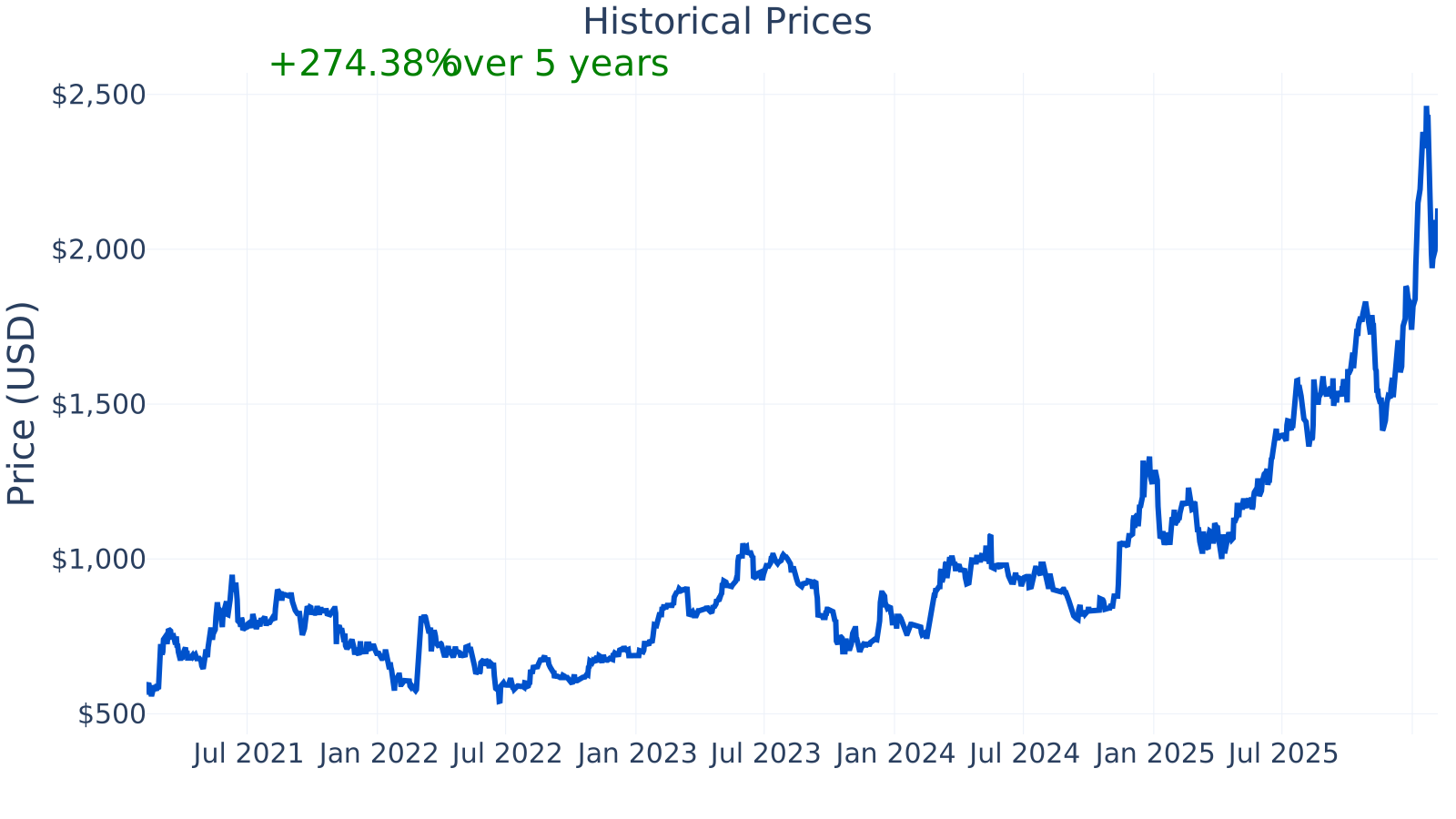
Biglari Holdings has a market capitalization of about $1.32B and a beta of ~0.69, which describes how the stock has historically moved versus the broader market (lower than 1.0 suggests less market sensitivity, though individual stocks can still be volatile for company-specific reasons). The company’s P/E ratio is ~200 versus an industry median around 29, reflecting either unusually low recent earnings relative to price, expectations of materially higher future earnings, or earnings that are not representative of normalized conditions. Reported profit margin is ~0.5% versus an industry median near 8.0%, indicating much thinner profitability than many peers at the moment. On growth, year-over-year revenue growth is ~10.3% (above the industry median ~6.9%). Leverage measured as debt-to-equity is ~59.8%, slightly below the industry median (~69.3%). Trailing twelve-month free cash flow is about $81.1M.
Growth (Low to Medium)
Biglari Holdings’ core operating exposure is to the restaurant industry, which tends to be mature and highly competitive. Long-term growth in this space usually comes from a combination of: expanding unit counts, improving same-store sales, building stronger brand positioning, and maintaining disciplined costs in the face of changing food and labor expenses.
Recent year-over-year revenue growth has improved into positive territory (around 10% most recently after periods of flat-to-negative growth). That said, the pattern over multiple quarters has been uneven, which is common for restaurant businesses but also suggests that growth has not been consistently compounding at a steady rate.
Free cash flow has been positive in the periods shown, but it has also varied significantly (from well above $100M at one point down to much lower levels). For a long-term owner, this variability matters because internally generated cash can support reinvestment, debt reduction, and resilience during weaker operating periods.
Potential catalysts, when they occur for a company like this, typically come from sustained restaurant turnaround progress (traffic and margins), material improvements in operating discipline, or improved contribution from non-restaurant segments. The holding-company structure can also create occasional step-changes if capital allocation decisions materially alter the mix of operating businesses and investments.
Risks (High)
This article is for informational purposes only and does not constitute financial advice. Some content is AI-generated. See Disclaimer