Stock Analysis · Acushnet Holdings Corp (GOLF)
Overview
Acushnet Holdings Corp is a golf-focused consumer products company best known for the Titleist and FootJoy brands. In practical terms, it designs, manufactures, and sells golf equipment and golf wear that is used by a wide range of players, from beginners to competitive amateurs and professionals. The business is global, selling through golf shops, sporting goods retailers, on-course pro shops, and direct-to-consumer channels.
Its activities are typically grouped into a few main lines of business:
- Golf balls (primarily Titleist)
- Golf clubs (metal woods, irons, wedges, and related gear under Titleist)
- Gear (such as golf gloves, shoes, and other golf-related accessories under FootJoy and other brands)
- Apparel (golf clothing, including FootJoy apparel)
In its annual reporting, Acushnet typically provides a revenue breakdown by these segments, which helps show which product categories drive the business most heavily. (Those percentages vary over time depending on product cycles and demand.)
Across recent years shown here, total revenue increased from about $2.15B (2021) to about $2.56B (2025). Over the same period, gross profit also rose (about $1.12B to $1.21B), while operating expenses moved up and down. Net income stayed in a similar range overall (roughly $179M–$214M in the years shown), which suggests that profitability is influenced not only by sales levels but also by costs, product mix, and operating spending.
Key Figures
| Metric | Value | Industry ⓘ |
|---|---|---|
| Date | May 04, 2026 | |
| Context | ||
| Sector | Consumer Cyclical | |
| Industry | Leisure | |
| Market Cap ⓘ | $5.60B | |
| Beta ⓘ | 0.89 | |
| Fundamental | ||
| P/E Ratio ⓘ | 30.78 | 24.95 |
| Profit Margin ⓘ | 7.37% | 6.94% |
| Revenue Growth ⓘ | 7.20% | 8.95% |
| Debt to Equity ⓘ | 136.97% | 38.37% |
| PEG ⓘ | 3.61 | |
| Free Cash Flow ⓘ | $120.03M | |
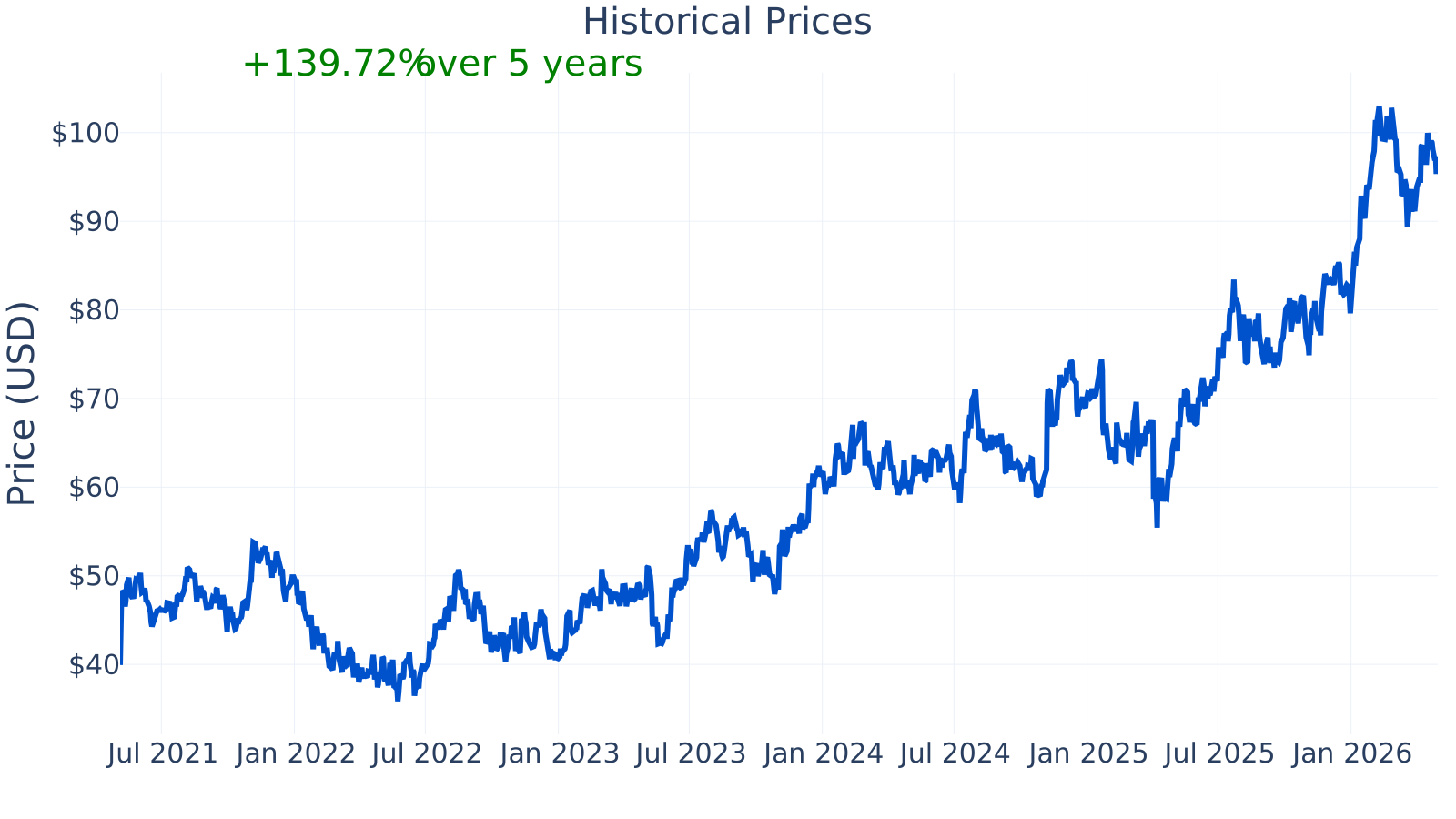
At the time reflected here, Acushnet’s market capitalization is about $5.6B and its beta is about 0.89 (historically somewhat less volatile than the broad U.S. market). The company’s P/E ratio is ~30.8, above the industry median shown (~25.0). Profit margin is about 7.37%, slightly above the industry median (~6.94%). Year-over-year revenue growth is about 7.2%, a bit below the industry median shown (~8.95%). Debt-to-equity is about 137%, which is notably higher than the industry median shown (~38%). Trailing twelve-month free cash flow is about $120M.
Growth (Medium)
Acushnet operates within the broader leisure and consumer discretionary space, with results tied to participation in golf and spending on golf equipment and apparel. Golf tends to be a replacement-driven category (players replace balls frequently, while clubs and bags are upgraded less often), so growth can depend on participation rates, the cadence of new product launches, and how well brands maintain their pricing power.
The year-over-year revenue trend shown here indicates that growth has not been uniform. There are periods of stronger expansion as well as quarters with slight declines. The most recent value shown is about 7.2% year-over-year, which points to continued expansion but not at an unusually high pace. This pattern is generally consistent with a consumer products company in a mature category where demand can fluctuate with consumer confidence and product cycles.
Free cash flow (cash generated after operating needs and capital spending) is important for long-term business flexibility. The values shown are mixed across the periods displayed, including a negative year followed by a stronger rebound. The most recent trailing twelve-month free cash flow shown is about $120M, indicating the business is currently generating cash, though the history shown suggests it can vary meaningfully depending on working capital needs (like inventory) and business conditions.
Potential growth catalysts in a golf equipment and apparel business typically include successful new product cycles, gains in market share within key categories (especially golf balls), and expansion in direct-to-consumer and international channels. Management discussion in official filings also commonly emphasizes brand strength, innovation, and distribution as key levers for maintaining demand over time.
Risks (Medium)
A central risk for Acushnet is that it sells discretionary products. In weaker economic periods, consumers may delay purchases of higher-priced clubs, apparel, and footwear, and retailers can reduce orders if they are managing inventory tightly. The company is also exposed to costs and supply chain execution (manufacturing efficiency, freight, materials), which can affect margins.
Leverage is another notable consideration. The latest debt-to-equity value shown is about 137%, which is substantially higher than the industry median displayed (~38%). The historical pattern in the chart also shows meaningful movement over time. Higher leverage can increase sensitivity to interest rates and reduce flexibility during downturns, although the real impact depends on the company’s debt structure, maturities, and cash generation (details are typically found in the notes and MD&A sections of annual and quarterly filings).
Profit margins shown here have generally been in a range around the high single digits, with the latest profit margin at about 7.37% versus an industry median of about 6.94%. The chart also shows margin fluctuations across periods, which is normal for consumer products businesses due to product mix, promotional intensity, and cost swings. The key point is that maintaining margins over time depends on brand strength and pricing power.
Competition is meaningful in golf equipment and apparel. Major competitors across different categories include Callaway (Topgolf Callaway Brands), TaylorMade, PING, Cobra Puma Golf, and other athletic and golf apparel brands. Acushnet’s competitive positioning is closely tied to the strength of Titleist in golf balls and the overall brand ecosystem (balls, clubs, and gear). Competitive advantages in this industry often come from brand reputation, tour presence and marketing effectiveness, fit/feel performance perception among golfers, retailer relationships, and consistent product innovation.
Valuation
The price-to-earnings (P/E) ratio is a simple way to describe how much the market is paying for each dollar of a company’s earnings. The latest P/E shown is about 30.8, compared with an industry median shown around 25.0. The historical series suggests Acushnet’s P/E has moved between the mid-teens and the low-30s over the period displayed, with the most recent reading near the higher end of that range.
A higher P/E than the industry median can reflect expectations of durability (brand strength and stable demand), improving profitability, or lower perceived volatility. At the same time, when valuation is elevated, future returns can become more sensitive to whether the company sustains growth and margins. In this context, a useful cross-check is that revenue growth is positive but not exceptionally high (latest ~7.2% year-over-year), profit margin is modestly above the industry median (~7.37%), and leverage is higher than the industry median (debt-to-equity ~137%), which can matter when interest rates are higher.
Conclusion
Acushnet is a brand-led golf products company with well-known franchises (especially Titleist and FootJoy) and a business model that combines frequently purchased items (like golf balls) with longer replacement-cycle products (like clubs) and recurring categories (gear and apparel). Over the years shown, revenue has increased overall, margins have been relatively steady in the high single digits, and free cash flow has been positive most recently but has varied over time.
The main long-term questions for the company’s fundamentals are whether it can continue to defend brand strength and pricing in competitive categories, manage costs and inventory through consumer cycles, and keep leverage at a level that does not constrain flexibility. From a valuation standpoint, the P/E shown is above the industry median and near the upper end of the company’s recent range, which places more emphasis on continued execution and resilient demand to support the current market pricing.
Sources:
- U.S. Securities and Exchange Commission (SEC) EDGAR — Acushnet Holdings Corp filings (Form 10-K, Form 10-Q)
- Acushnet Holdings Corp — Investor Relations materials (Annual Report / filings archive)
- Wikipedia — “Acushnet Company” (general company background)
This article is for informational purposes only and does not constitute financial advice. Some content is AI-generated. See Disclaimer